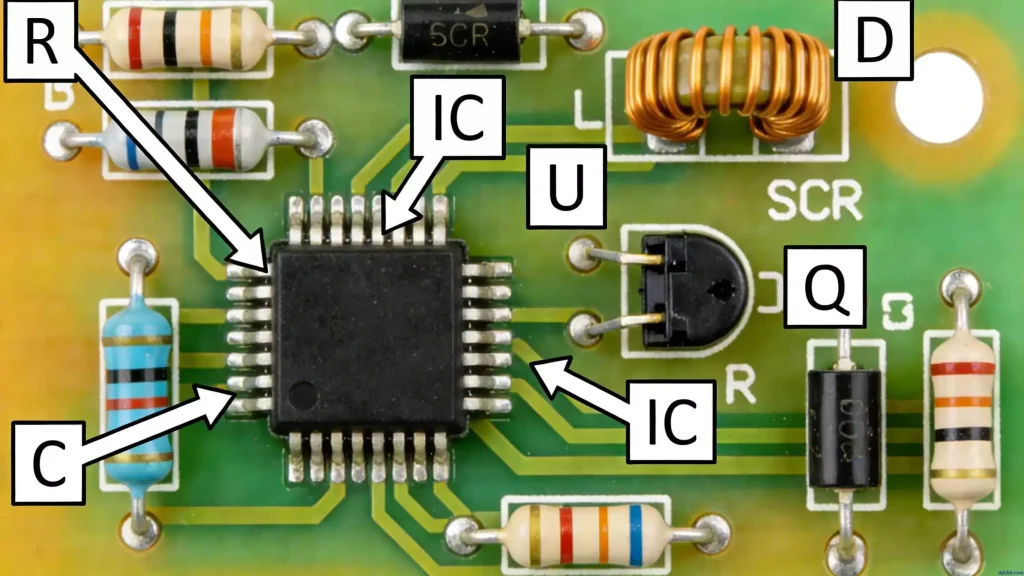
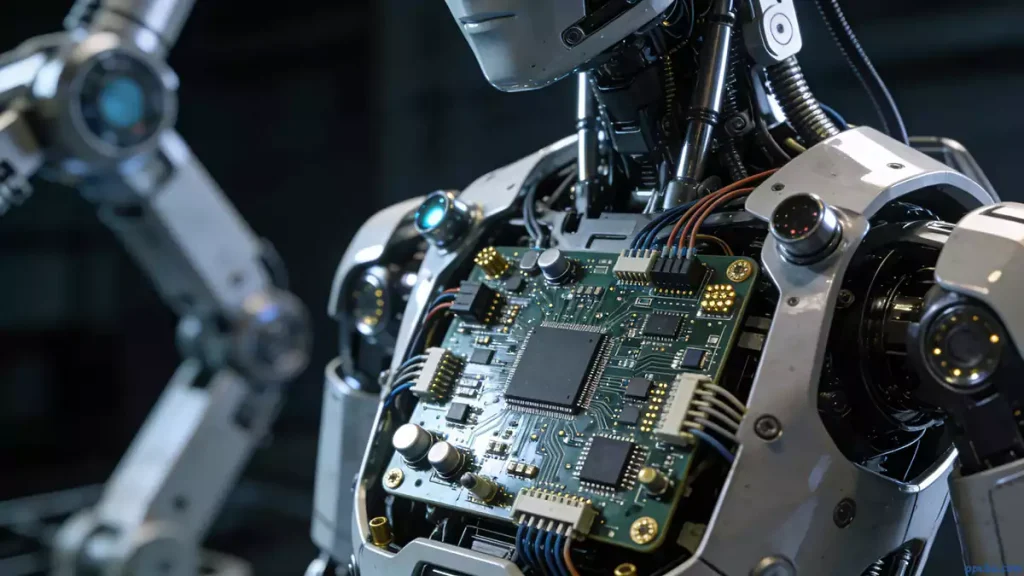
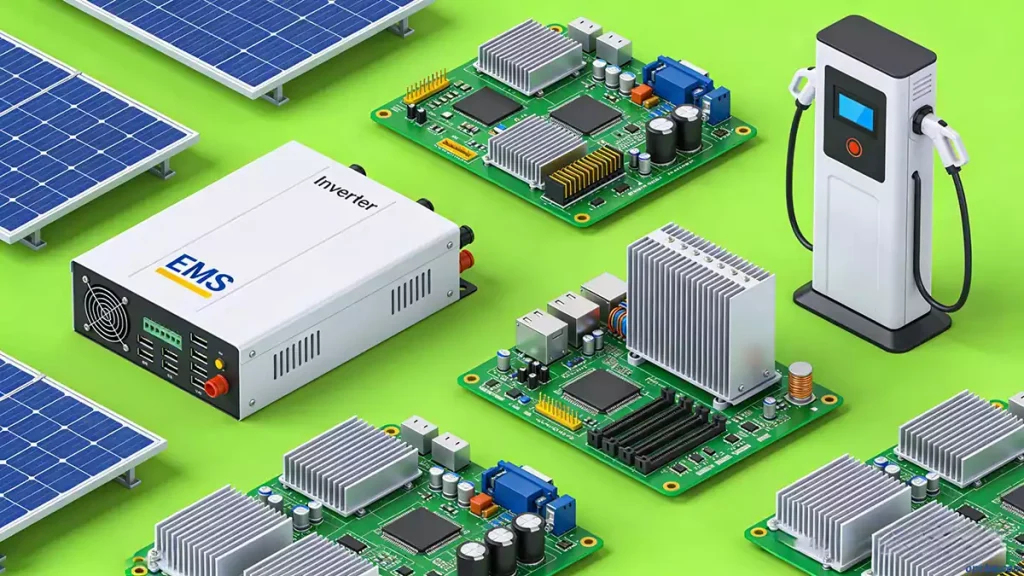
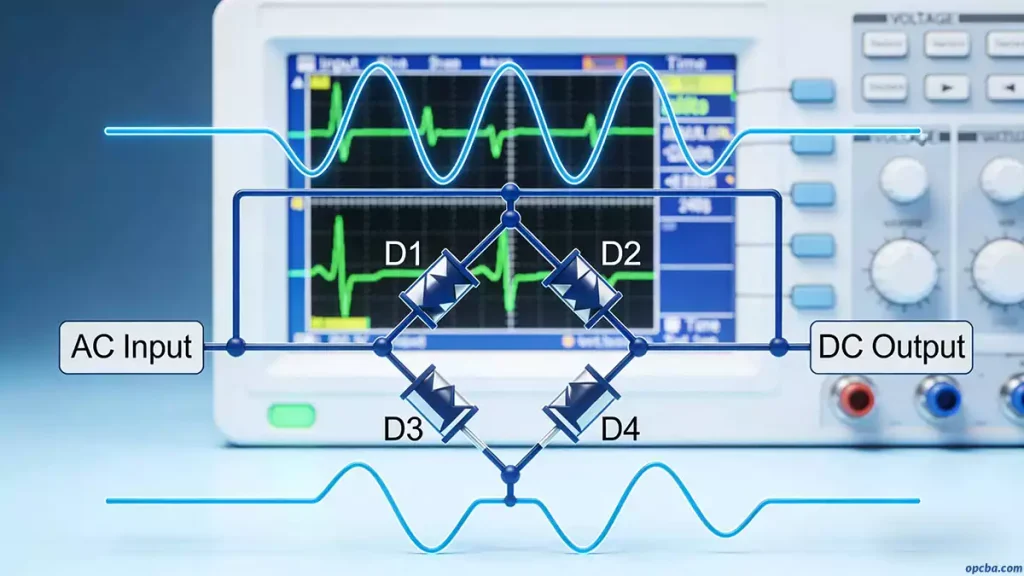
Automotive Electronics rely on robust switching power supplies to deliver stable performance in extreme vehicle environments—from engine bay heat to road vibrations. Capacitor selection for these systems is make-or-break for reliability, safety, and longevity. This guide breaks down capacitor types, critical parameters, and application tips to meet the industry’s strict standards (e.g., AEC-Q200).
Key Capacitor Types for Switching Power Supplies in Vehicle Electronic Systems
For Automotive Electronics switching power supplies, focus on three dielectric-based capacitor types optimized for vehicle harshness:
- Ceramic Capacitors: Ideal for high-frequency circuits (e.g., ADAS sensors, infotainment systems) in Automotive Electronics. Features include small capacitance (nF-µF range), wide temperature tolerance (-40°C to +150°C—engine bay compatible), low ESR, non-polarity, and vibration resistance. Preferred dielectrics: X7R (stable capacitance vs. temperature) and C0G (ultra-low drift) for critical setups.
- Electrolytic Capacitors: Suited for low-frequency filtering in battery power conversion (e.g., 12V/24V systems) within Automotive Electronics. Offers large capacitance (µF-mF range) for smoothing voltage ripples. Choose automotive-grade aluminum electrolytic capacitors with anti-dryout seals and +125°C temperature ratings—avoid reverse polarity (a common circuit failure point).
- Tantalum Capacitors: Ultra-low ESR for precision setups (e.g., instrument clusters, GPS modules) in Automotive Electronics, with mid-range capacitance. Note: Avoid in safety-critical systems (e.g., airbag controllers) due to fire risk under overvoltage/overcurrent—vehicle vibrations exacerbate this hazard.
Critical Parameters for Capacitor Selection in Vehicle Power Systems
Every capacitor for Automotive Electronics switching power supplies must meet AEC-Q200 standards. Prioritize these 5 parameters:
- Temperature Range: Withstand extremes—-40°C (cold starts) to +150°C (engine bay proximity) for Automotive Electronics. Ceramic capacitors (X7R/X5R) and automotive-grade electrolytics work best here.
- Voltage Rating: Exceed switching power supply voltage by 2x (e.g., 25V capacitors for 12V systems) in Automotive Electronics. Vehicle circuits experience voltage spikes (e.g., cranking) that damage underrated parts.
- ESR: Low ESR (≤100mΩ for high-frequency setups) reduces heat and voltage drop—critical for vibration-exposed Automotive Electronics (high ESR loosens solder joints). Performance order: Tantalum < Ceramic < Electrolytic.
- Capacitance Tolerance: Tighter ±5% for precision circuits (e.g., ADAS power management); looser ±20% for non-critical filtering (e.g., infotainment backup power).
- Compliance: Select AEC-Q200-certified capacitors—they resist humidity, vibration, and thermal cycling (non-compliant parts fail early in vehicle systems).
Application Tips for Switching Power Supply Capacitors in Vehicle Setups
These tips align capacitor choices with the unique needs of Automotive Electronics:
Internal Circuit Factors
- Frequency: High-frequency setups (kHz-MHz, e.g., radar sensors) use ceramic/tantalum capacitors; low-frequency (50Hz-1kHz, e.g., battery conversion) use electrolytic capacitors in Automotive Electronics.
- Voltage/Current: Vehicle power systems (12V/24V/48V for EVs) need voltage-rated capacitors; high-current circuits (e.g., EV powertrain) demand low-ESR ceramic options.
- Function: Pair electrolytic (low-frequency filtering) and ceramic (high-frequency decoupling) capacitors to handle battery ripples and sensor signal noise.
External Environment Tips
- Temperature Zones: Engine bay (the hottest area for Automotive Electronics) → +150°C-rated ceramic or automotive electrolytic capacitors; passenger cabin setups → standard X7R ceramics or tantalums.
- Vibration & Shock: Choose surface-mount (SMD) ceramic capacitors with robust solder pads—through-hole electrolytics may loosen during rough driving.
- EMC: Low-ESR ceramic capacitors reduce electromagnetic interference (complies with CISPR 25 standards for vehicle systems).
Filter Capacitors for Switching Power Supplies
Filter capacitors smooth DC output in Automotive Electronics—select based on specific use cases:
Low-Frequency Filter Capacitors
- Use Case: Battery-powered circuits (12V/24V, e.g., lighting, power windows) in Automotive Electronics.
- Needs: Large capacitance (hundreds of µF) to handle cold-start charge-discharge cycles.
- Top Pick: AEC-Q200-certified aluminum electrolytic capacitors (spiral-wound construction for vibration resistance).
High-Frequency Filter Capacitors
- Use Case: High-speed systems (e.g., ADAS, EV on-board chargers) operating at kHz-MHz frequencies.
- Needs: Low equivalent impedance to suppress high-frequency spikes.
- Top Pick: X7R ceramic capacitors (SMD 0402-1206 sizes) or four-terminal high-frequency electrolytic capacitors (both meet AEC-Q200 standards).