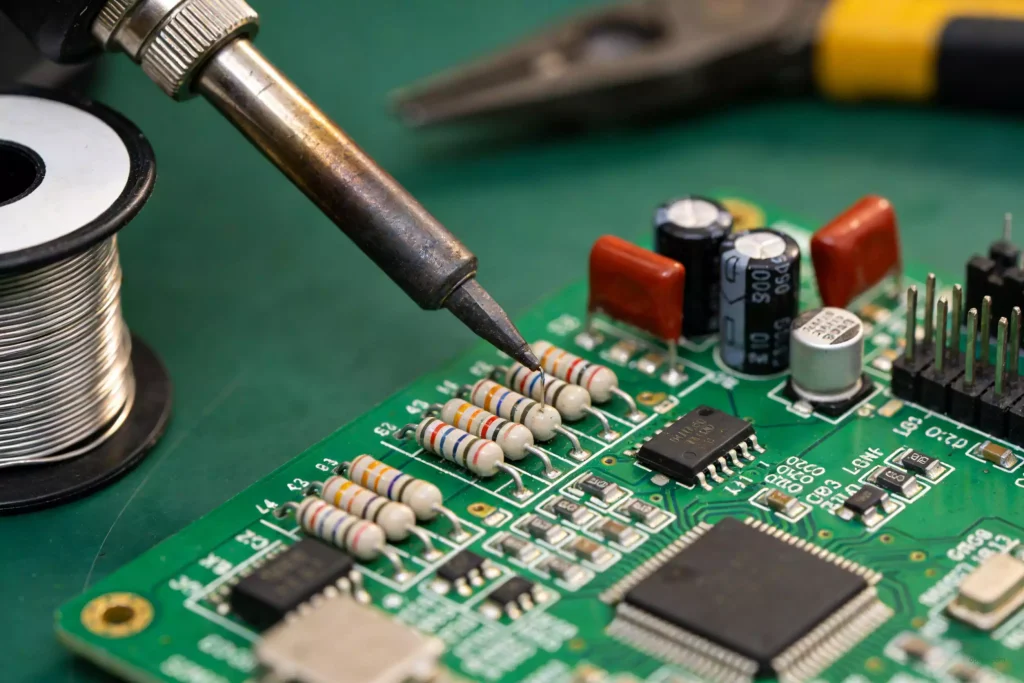
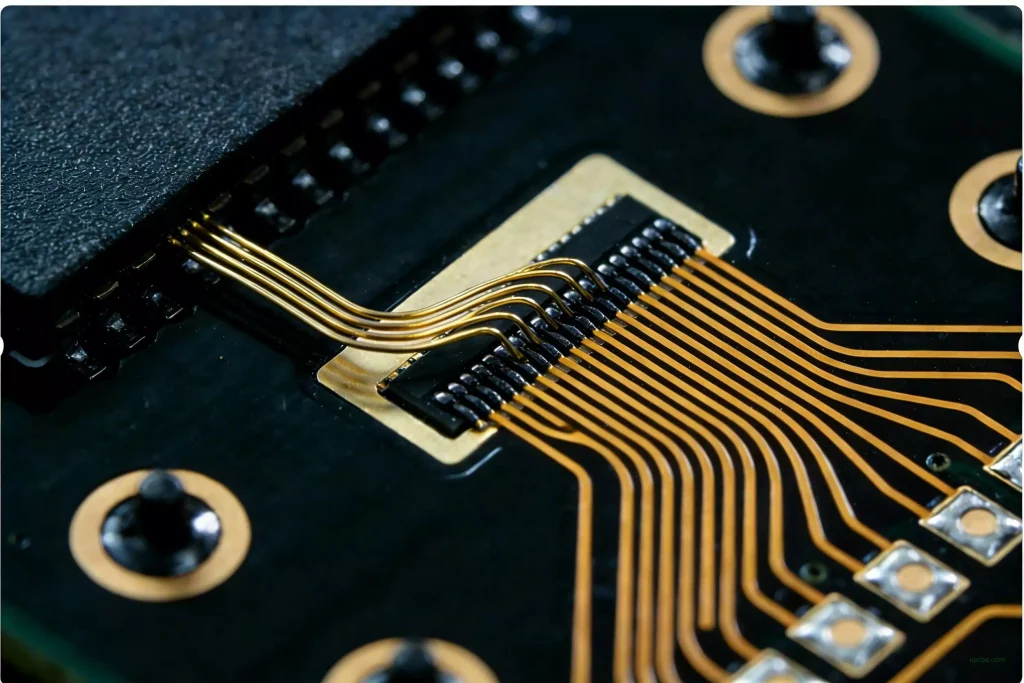
In real PCB production, traditional methods mean expensive molds, long lead times, and high setup costs—especially for small batches or prototypes. This is where 3D printing PCB boards shines: it slashes costs while simplifying the manufacturing process for many use cases.
You don’t need a background in advanced manufacturing to grasp how this works. Let’s break down the basics, how it integrates with PCB production, and where the technology stands today. For a foundational overview of the technology at the heart of this innovation, check our cornerstone guide: Printed Circuit Board(PCB).
3D Printing Basics (for PCB Makers)
3D printing—also called additive manufacturing—builds objects layer by layer from a digital 3D model. Unlike traditional manufacturing, it skips molds and large production lines, which is why it’s a game-changer for cost savings.
Most 3D printing uses digital material printers, originally for prototyping in industrial design and mold making. Today, it’s everywhere: jewelry, automotive, aerospace, dentistry, and yes—electronics manufacturing. For PCBs specifically, it’s evolving fast, though it’s not yet the standard for high-volume production.
How 3D Printing Integrates with PCB Production
3D printing has transformed manufacturing by turning days of traditional production into minutes or hours. PCBs are the backbone of modern electronics, and pairing them with 3D printing creates a flexible, cost-effective solution for prototypes and low-volume runs.
There are two main methods for 3D printed PCB production:
- Conductive filament: Using filament infused with conductive materials to print circuit traces directly.
- Hollow strokes: Printing hollow channels, then filling them with conductive ink to create circuits.
We’ve tested both methods in-house, and while 3D printers for PCBs exist, their precision for small, high-density boards is still catching up. That said, the technology is advancing faster than many realize.
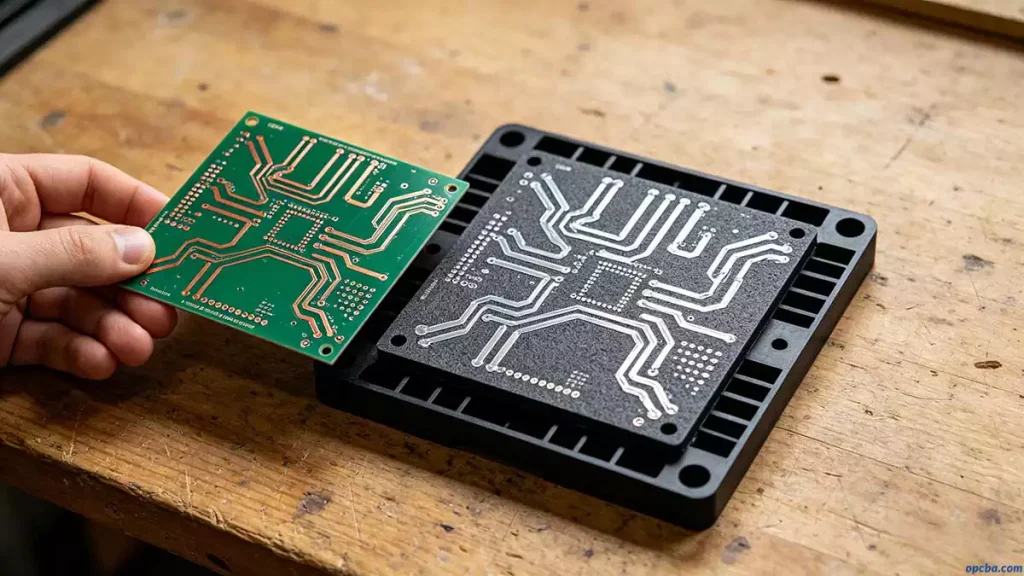
Current Advances in 3D Printed PCBs
At a recent Silicon Valley tech seminar hosted by IDTechEx—an industry leader in market research—two companies demonstrated 3D printers that can print small PCBs on demand. Qualcomm also showed progress in placing electronic components on plastic substrates, a key step for 3D printed electronics.
One standout is the DragonFly 2020, a 3D printer for PCB manufacturing from Israeli startup Nano Dimension. Launched in the U.S., it can produce 20cm square, 3mm thick multilayer PCBs with trace widths as small as 80 microns. Depending on the number of layers, it takes just 3 to 20 hours—far faster than traditional PCB fabrication.
Where 3D Printing PCB Stands Today
3D printing PCB boards technology is constantly improving, with better precision and stricter quality control every year. Right now, most large-scale PCB production still relies on professional manufacturing facilities—there’s no substitute for their speed and consistency for high-volume orders.
That’s where OPCBA comes in. We offer end-to-end PCB services, whether you’re using traditional methods or exploring 3D printed prototypes. If you’re looking to cut costs on small batches or test new designs, we can help you navigate the best approach for your project.