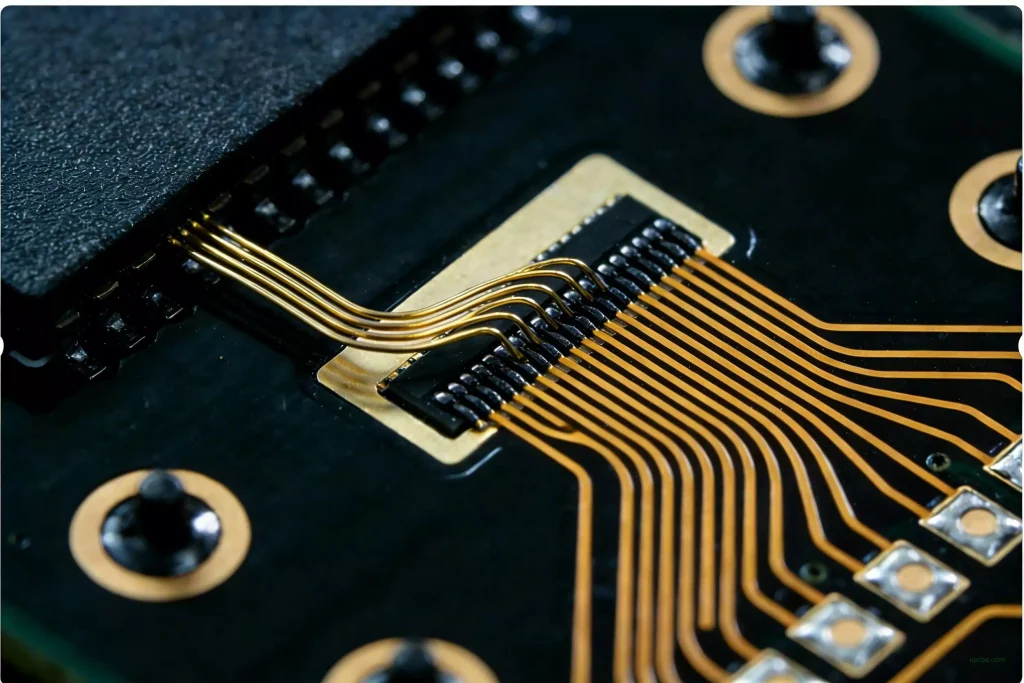
In the age of miniaturized, lightweight consumer electronics, Flex PCB Prototypes (also called flexible printed boards) have become indispensable. They’re used across communication devices, computers, cameras, and automotive electronics—with their roles ranging from simple lead lines to integrated multifunctional systems.
Traditional rigid PCBs are too inflexible to keep up with today’s electronic design trends. Flex PCB Prototypes, with their ability to bend, fold, and form 3D circuit structures, have become a go-to choice for designers looking to save space and boost functionality.
Why Consumer Electronics Depend on Flex PCB Prototypes
The biggest driver of demand is the consumer electronics industry itself—especially smartphones. Nearly every key hardware component, from batteries and screens to camera modules, relies on FPC to connect and function.
In real consumer electronics design, these prototypes offer advantages that rigid boards simply can’t match:
- Unmatched flexibility: They shrink product size and adapt to tight spaces, conforming to the unique shapes of modern devices.
- 3D wiring capability: Folding and winding reduce assembly time and errors, simplifying the design process for complex gadgets.
- Stable performance: Their chemical stability extends product lifespan, prevents static interference, and ensures safe, reliable operation.
- Versatility and cost-effectiveness: They’re resistant to high and low temperatures, flame-retardant, and heat-dissipative—all while enabling miniaturization and component integration at a lower cost.
Smartphones: The Biggest Driver of FPC Prototype Demand
Full-screen smartphones have pushed FPC usage to new heights. The shift to LCD/OLED/AMOLED displays, virtual buttons (replacing physical ones), and under-screen fingerprint recognition has significantly increased FPC prototype usage inside devices.
These flexible boards save critical internal space, making smartphone assembly more flexible. With folding-screen phones gaining popularity, FPC demand per device has grown—both in quantity and value—since these screens require flexible connections to withstand repeated bending.
Smart Wearables: A Fast-Growing Market for FPC
Emerging smart wearables—smart bracelets, watches, and glasses—also rely heavily on FPC. VR glasses, for example, can use up to nine FPCs per device.
The small, bendable nature of FPC for consumer electronics aligns perfectly with wearable design needs, which prioritize compactness and comfort. As wearables become more advanced, demand for FPC prototypes will continue to accelerate.
Testing Flex PCB Prototypes: Ensuring Quality & Reliability
To maintain FPC quality, material, and performance, rigorous testing is essential. This not only improves manufacturing technology but also reduces material waste and environmental impact.
Basic testing standards for Flex PCB Prototypes include:
- Surface quality of substrate films and cover layers
- Alignment of connection plates and cover layers, adhesive flow, and conductor discoloration under cover layers
- Compliance with temperature-humidity resistance, voltage resistance, bending resistance, and soldering resistance requirements
- No poor plating adhesion or coating leakage
High-current shrapnel micro-pin modules are critical for these tests. They establish stable connections on FPCs, transmitting 1-50A current with strong overcurrent capacity and reliability. Gold-plated modules work well in small-pitch applications (0.15mm-0.4mm), with a service life of over 200,000 cycles—saving time and material costs.
In practice, these modules simplify testing, boost efficiency, and increase FPC output—key for meeting the growing demand in consumer electronics.
If you’re looking to fabricate or inquire about Flex PCB Prototypes for your consumer electronics project, OPCBA is here to help. Our team has extensive experience in FPC prototype manufacturing, ensuring your designs meet the highest quality standards.