The first time I opened a flip phone, I was struck by how many gold-colored ribbons were folded inside. Today, FPC applications reach almost every handheld device: smartphones, laptops, digital cameras, and the LCD panels that stare back at you. But just knowing where a flexible printed circuit lives is half the story. How these boards are produced and inspected decides whether they bend for years or crack on day one. If you’re new to working with these boards, start with our foundational guide: Basic information of flexible printed ciruicts boards.
The Familiar (and Less Obvious) Places You’ll Find FPCs
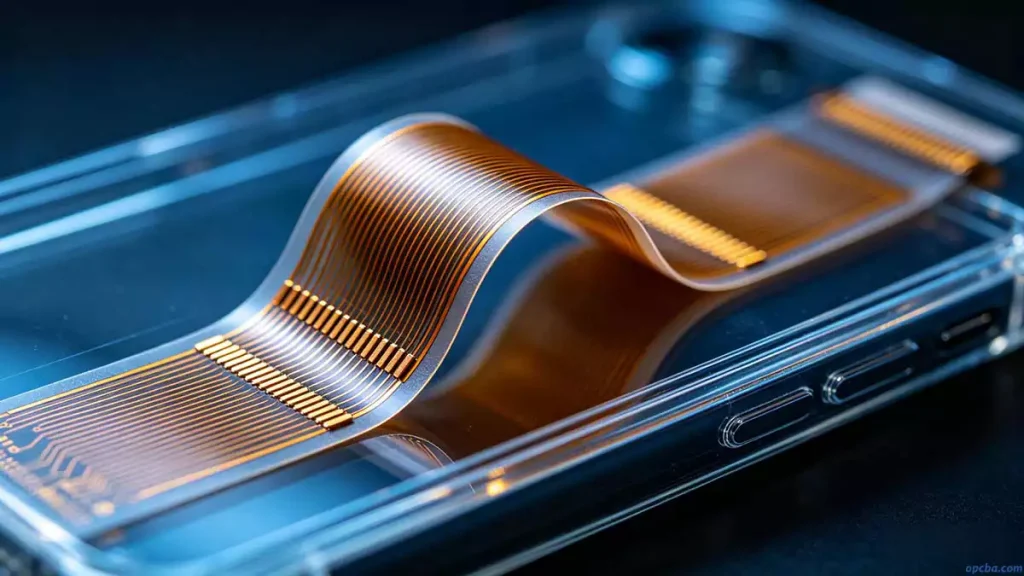
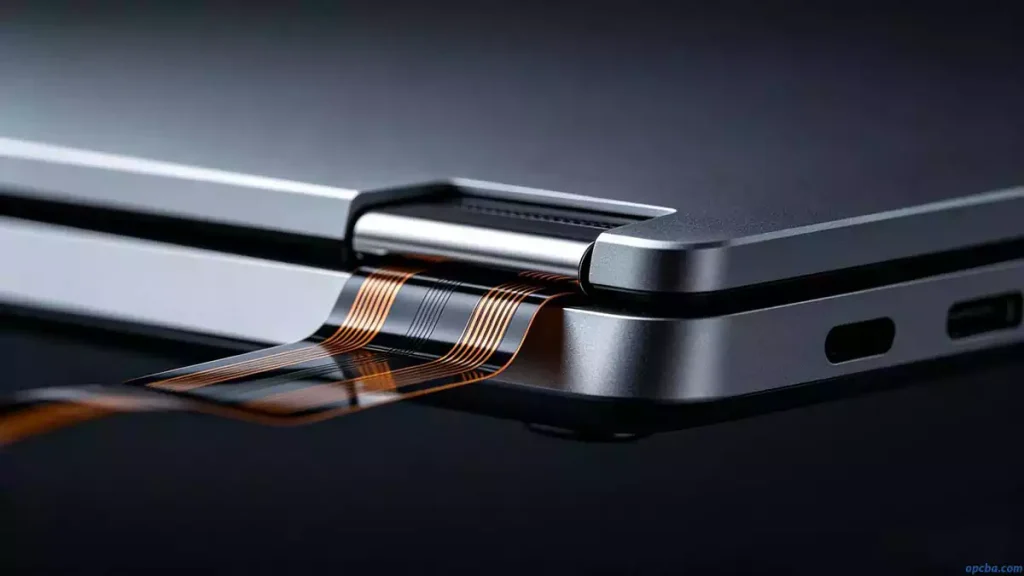
Flexible PCBs are built on polyimide or polyester film. They carry high trace density while staying thin and lightweight. That combination is why FPC applications pop up in tight, dynamic spots. Beyond consumer gadgets, disk drives use them for head connections. Printers route signals through moving carriages with them. Automotive dashboards and medical imagers fold them into spaces no rigid board could fit. Even the laptop hinge you open every morning relies on a multilayer flexible printed circuit to bridge the display and motherboard without a bundle of wires.
When an Engineering Review Saves the Whole Batch
A reliable board starts long before the first cut. I’ve seen projects where skipping the initial engineering evaluation turned a promising design into a pile of scrap. The fab must check whether the customer’s material callouts, impedance targets, and minimum trace widths match the shop’s actual capability. That review also catches missing coverlay openings or unsupported spans that would tear during assembly. Once the design clears, raw materials are staged—polyimide laminates, coverlay, stiffeners—and the CAD data is translated into tooling files and an MI (manufacturing instruction) that follows the board through every step. This front-end work is what keeps flexible PCB production from becoming a guessing game.
Walking Through a Single-Sided FPC Build
For a basic single-sided board, the flexible PCB production line runs like this. Sheets are cut to panel size and drilled for registration and vias. Dry film is laminated and exposed to image the circuit. After developing, unwanted copper is etched away. The strip process removes the remaining resist. Next comes surface preparation, then coverlay application. The coverlay—a polyimide film with adhesive—is pressed under heat to seal the traces. Once cured, the panel gets surface finish, usually ENIG, on the pads. Silkscreen goes on, and the boards are routed to final shape.
Electrical testing follows, checking each net for opens and shorts. Then visual inspection picks up nicks or scratches that escaped earlier. This is where FPC testing starts to set a good board apart from a borderline one.
Why Optical Measurement Steps In
Electrical testers catch continuity faults, but they can miss geometric defects that turn into failures later. That’s why FPC testing often adds an optical image measuring instrument. These systems scan the entire panel, flagging trace width violations or coverlay misregistration down to microns. I once saw a batch where the coverlay window had shifted by about 70 µm—something a flying probe would never have flagged, but which would have let moisture creep in after a few weeks in the field. Keeping that optical step in the QA flow is cheap insurance.
In the end, FPC applications keep expanding because the boards can go where rigid ones can’t. But that flexibility only matters if the boards hold up. Start with a solid engineering review, follow a disciplined single-sided flow, and back it up with thorough testing—optical included. When those pieces line up, the flex circuit tucked inside your next product won’t be the reason you lose sleep.