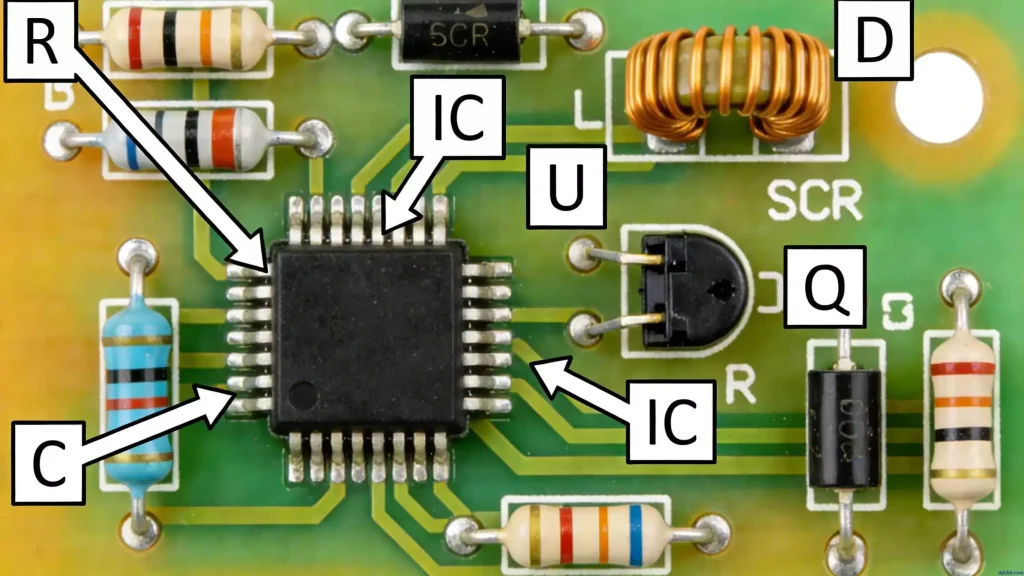
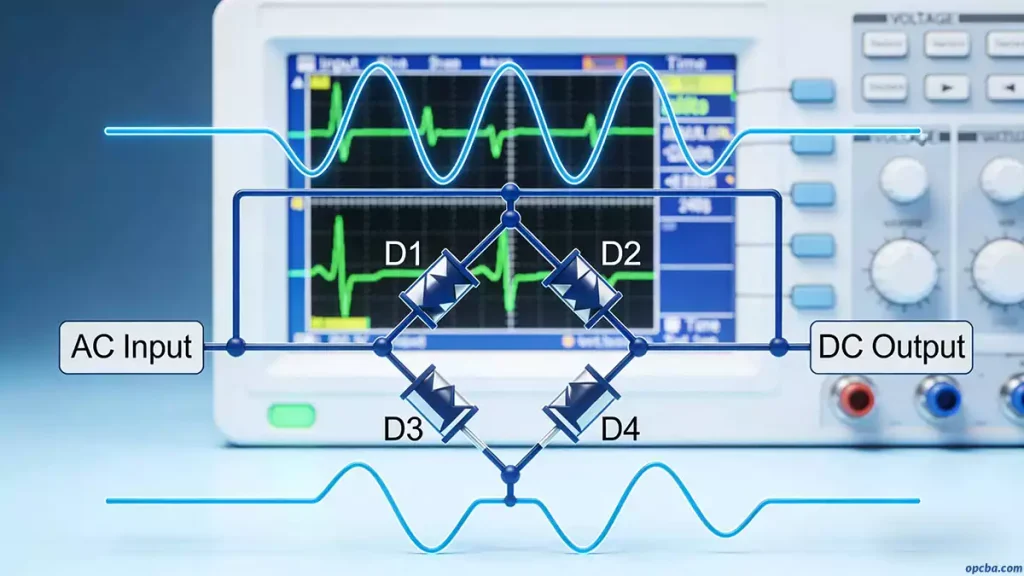
In the electronics and PCB manufacturing world, PCB is a term we use daily—so common that even new industry hires quickly pick it up. But what about PWB? It’s less frequently used now, but you’ll still hear it in certain regions or with seasoned professionals.
Let’s clear up the confusion, no jargon—just the practical details you need to know.
First Things First: What Does PWB Stand For?
PWB is short for “Printed Wire Board.” Translated to Chinese, that’s “Yin Zhi Xian Lu Ban”—similar to PCB’s translation, but with a subtle historical difference.
Back in the day, PWB was the go-to term in the UK. Early circuit boards labeled as PWB only had printed circuit patterns, no integrated printed components—they were simpler, more basic versions of what we use now.
PWB vs PCB: Are They Really Different?
Here’s the big question: Is there a fundamental difference between PWB and PCB? The short answer is no—they refer to the exact same thing, just different names rooted in history.
PCB stands for “Printed Circuit Board,” which is the more widely used term globally today. As technology advanced, circuit boards evolved to include printed components, and the name shifted to reflect that.
In practice, you might still hear PWB used in the UK or Hong Kong. It’s not a mistake—just a habit, passed down from the early days of circuit board manufacturing. Both terms mean “Circuit Board” at their core.
Why Does This Matter for You?
If you’re working with international teams or clients—especially those in the UK or Hong Kong—you might encounter PWB in communications. Knowing it’s just another name for PCB avoids confusion and keeps projects on track.
Seasoned engineers and manufacturers might slip into using PWB out of habit, but it’s never a sign of a different product. It’s just industry shorthand, plain and simple.