High-Density Wiring & Superior Electrical Performance for Drone-PCB
Overview of Drone-PCB
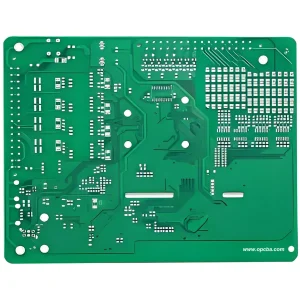
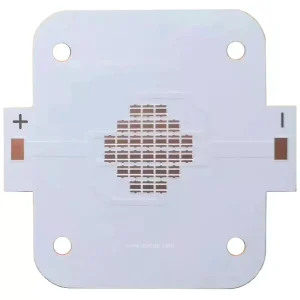
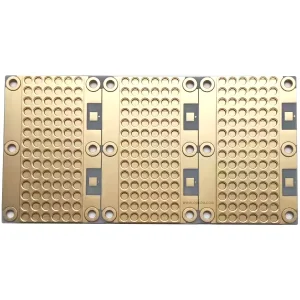
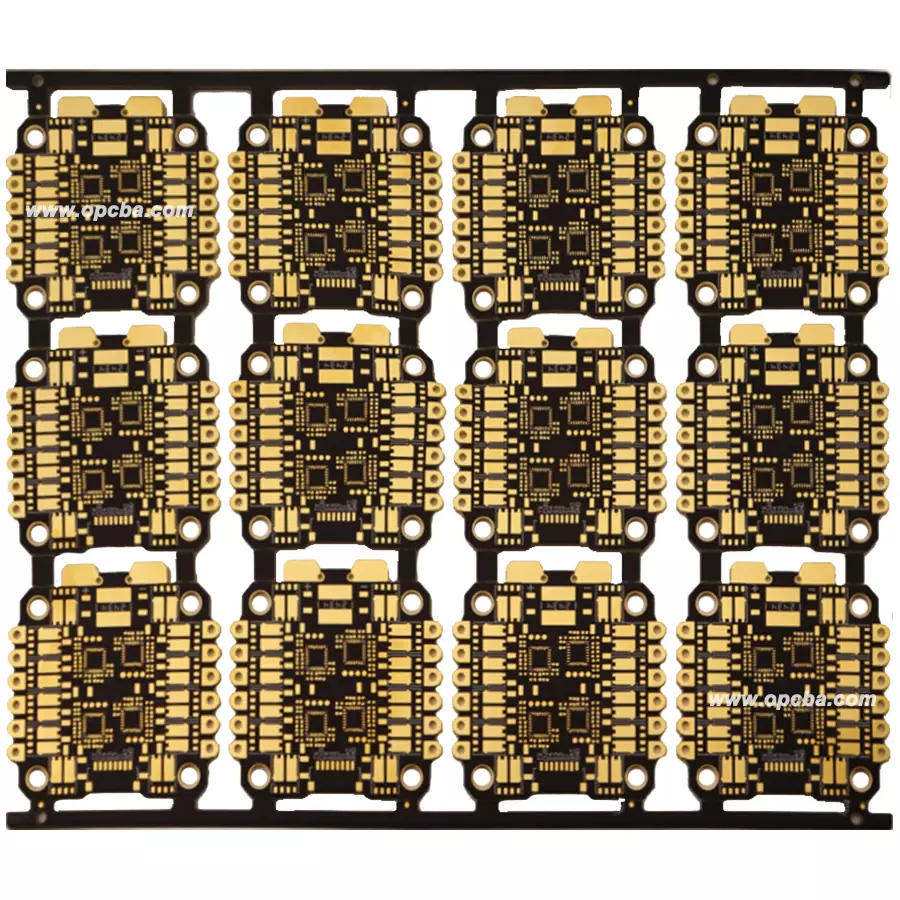
Drone-PCB is a high-performance printed circuit board built for unmanned aerial vehicles.
It acts as the core control platform for signal transmission and command execution.
With optimized structural design, it balances light weight and high durability effectively.
As a result, it ensures stable performance during long-term and intensive flight missions.
Specifications
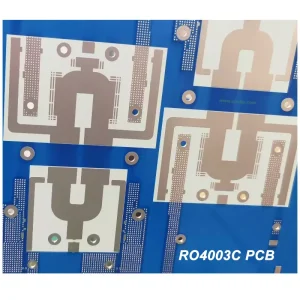
Drone PCBs are built on laminates chosen for weight, thermal stability and RF behavior. We hold High-Tg FR-4 for general flight-control boards, and switch to Rogers, S1000-2, IT180 or TU782 when the design has to keep impedance stable across a wide temperature range. Send your Gerber file and stack-up, and we will confirm the material against your target Dk and loss budget before quoting. Process limits for every step are listed on our PCB manufacturing capabilities page.
| Parameter | Capability |
|---|---|
| Base material | High-Tg FR-4, Rogers, S1000-2, IT180, TU782 |
| Layer count | 2 to 12 layers |
| Finished thickness | 0.6 mm to 2.0 mm |
| Copper thickness | 1 to 6 oz |
| Minimum trace / space | 2 mil (0.05 mm) |
| Surface treatment | Immersion gold, OSP, HASL |
| Solder mask | Green, white, black, blue |
| Silkscreen | White, black |
| Typical use | Flight controllers, motor drive modules, camera gimbals, image transmission systems, industrial inspection drones |
Drone-PCB Reliability and Stability in Complex Environments
This specialized board offers excellent anti-vibration and anti-interference performance.
It operates steadily even under strong turbulence and rapid airflow changes.
In addition, its reinforced layout reduces external electromagnetic interference.
This keeps signals clear and consistent throughout every flight operation.
Drone-PCB Core Functions for Safe and Precise Flight
It provides reliable support for drone flight control and attitude adjustment.
It also enables accurate navigation and positioning for planned flight routes.
Moreover, it maintains stable hovering for imaging, inspection, and detailed tasks.
Communication and Task Execution
The board ensures consistent wireless communication for video and data transmission.
It maintains strong connections even in crowded and complex working environments.
It also manages and powers various payload operations for different mission needs.
These include aerial photography, monitoring, detection, and specialized equipment.
Structural and Electrical Advantages
High-density wiring allows the board to fit compact drone body structures.
Advanced materials deliver resistance to high and low temperatures.
Its light structure also helps improve flight endurance and payload capacity.
Overall, this design combines high electrical performance with strong practical value.
Drone-PCB of the unmanned aerial vehicle is designed in a miniaturized and lightweight manner, which is suitable for the compact body space of the unmanned aircraft. At the same time, it possesses the characteristics of high-temperature resistance and low-temperature resistance, and can meet the operational requirements of different outdoor environments. In general, it integrates core functions such as anti-vibration and anti-interference, flight control, navigation, communication, and payload support. It is the core foundation for modern unmanned aircraft to achieve stable, safe and efficient operations.
Frequently asked questions
What materials are used for drone PCBs?
Most flight-control and power boards use High-Tg FR-4, which keeps its mechanical strength through repeated thermal cycles. When the design carries RF or high-speed differential pairs, we move to Rogers, S1000-2, IT180 or TU782 so Dk stays stable and insertion loss stays low. The right choice depends on your frequency band, layer count and weight budget, and our drone PCB design and materials guide covers those trade-offs in detail.
Why does impedance control matter on a drone board?
Flight controllers, GPS receivers and video links sit within centimeters of each other, and a drone has no room for bulky shielding. We design to a controlled 50 or 75 ohm target with defined reference planes, then verify coupon impedance before the boards ship. That keeps command signals and image data from coupling into the navigation chain.
Can you supply the assembled board as well as the bare PCB?
Yes. Bare board fabrication, component sourcing and SMT assembly all run under one roof, including 0201 and 01005 parts and BGA rework. Assembly is covered on our drone PCBA assembly page, and both stages share the same ERP traceability record, so the board you receive can be traced back to the panel it came from.