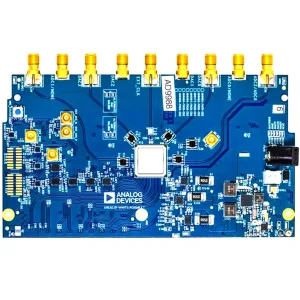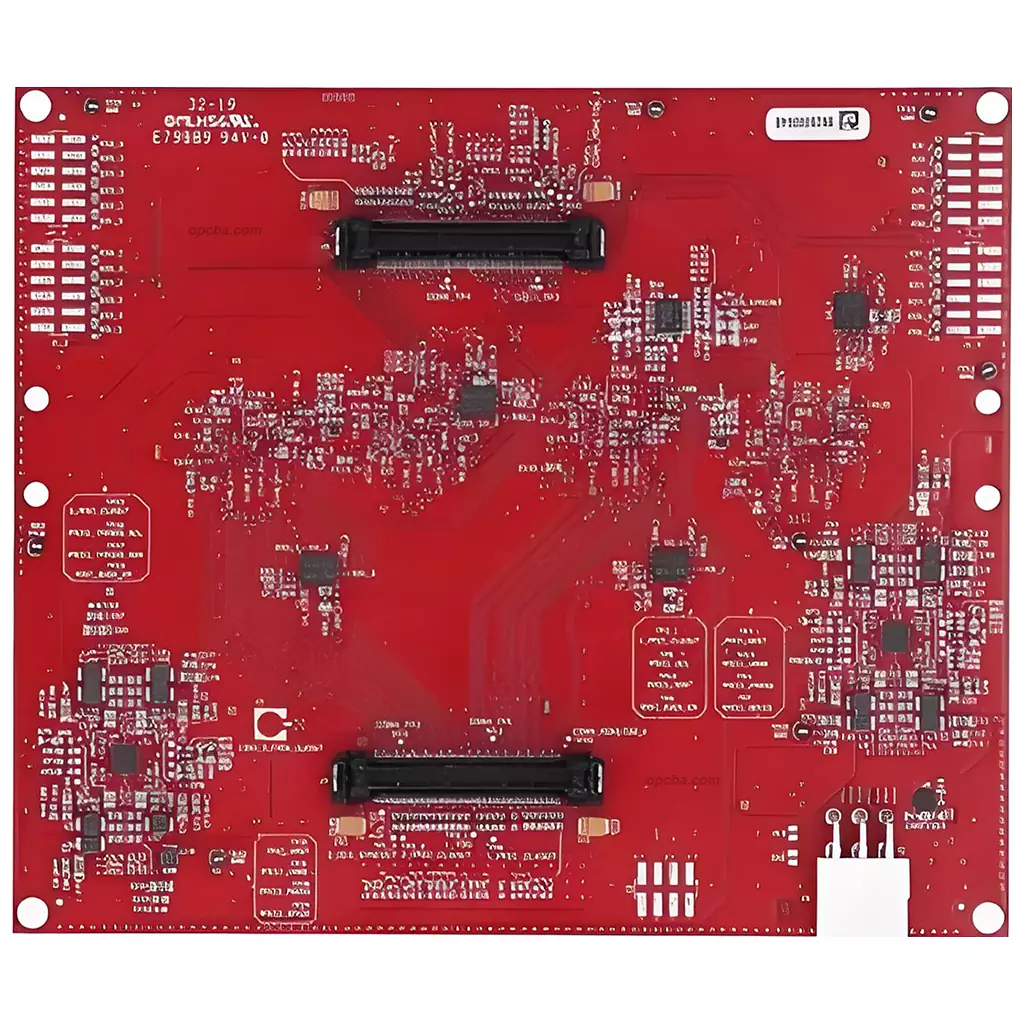
Overview of PCBA
PCBA (Printed Circuit Board Assembly, printed circuit board assembly) is a functional unit completed after the welding, assembly and testing of components on the basis of a PCB. It directly determines the performance and reliability of electronic devices and is widely used in the entire process of various electronic equipment.
PCBA Core Definition and Positioning
1. Full Name and Essence: Printed Circuit Board Assembly (PCBA),
2.Difference from PCB: PCB is an “empty board” without components (only carrier); PCBA is a “finished board” (PCB + components + soldering), which can be directly embedded in equipment for use.
3. Core Positioning and Value: The “core functional unit” of electronic devices, integrating components to simplify assembly, improving equipment stability, and reducing the difficulty of research and production.
Core Components of PCBA
1. Basic Carrier: PCB (single layer/double layer/multi-layer/HDI), providing installation and interconnection support for components.
2. Core Components: Passive components (resistors, capacitors, etc.), active components (chips, ICs, etc.), connection components (connectors, etc.), auxiliary components (fuses, etc.).
3. Auxiliary Materials: Soldering materials (solder paste, flux), fixation materials (thermal conductive glue, insulating glue)
Core Production Process of PCBA (8-stage Simplification)
1. PCB Incoming Inspection (IQC): Screening for quality issues such as PCB circuits, hole diameters, and surface conditions.
2. Incoming Inspection and Material Preparation of Components: Verifying model parameters, categorizing and preparing materials to avoid wrong or damaged materials.
3. Solder Paste Printing: Uniformly applying solder paste on PCB pads, controlling thickness and accuracy.
4. SMT Assembly: Precisely placing components onto pads, controlling assembly accuracy.
5. Reflow Soldering: Melting solder paste at high temperature to achieve secure connection between components and PCB.
6. DIP Insertion Welding (as needed): Hand/automated insertion welding of components to ensure firm connection without short circuits.
7. Cleaning and Repair: Removing residual impurities and repairing short circuits, loose soldering, etc.
8. Finished Product Inspection (FQC) and Packaging: Inspecting appearance and functionality, packaging for anti-static and moisture-proof delivery.
PCBA Multi-Field Applications
It covers fields such as consumer electronics, automotive electronics, industrial control and medical technology, communication equipment, military and aerospace technology, smart home appliances, and the Internet of Things.