High-Density Wiring & Superior Electrical Performance for PCB
Overview of 8-Layer PCB
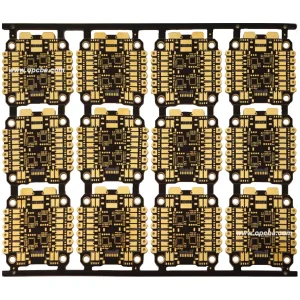
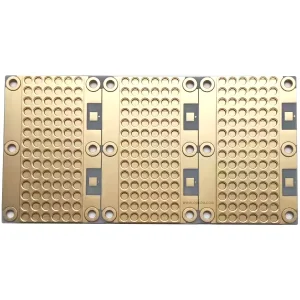
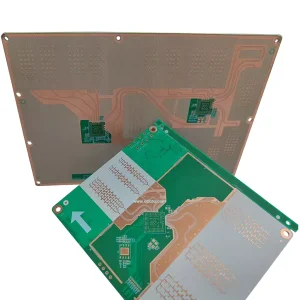
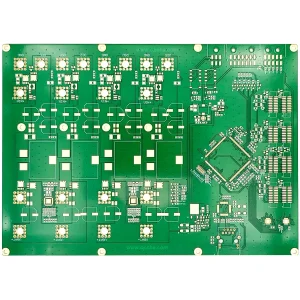
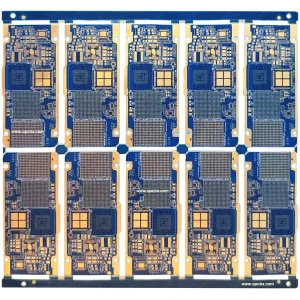
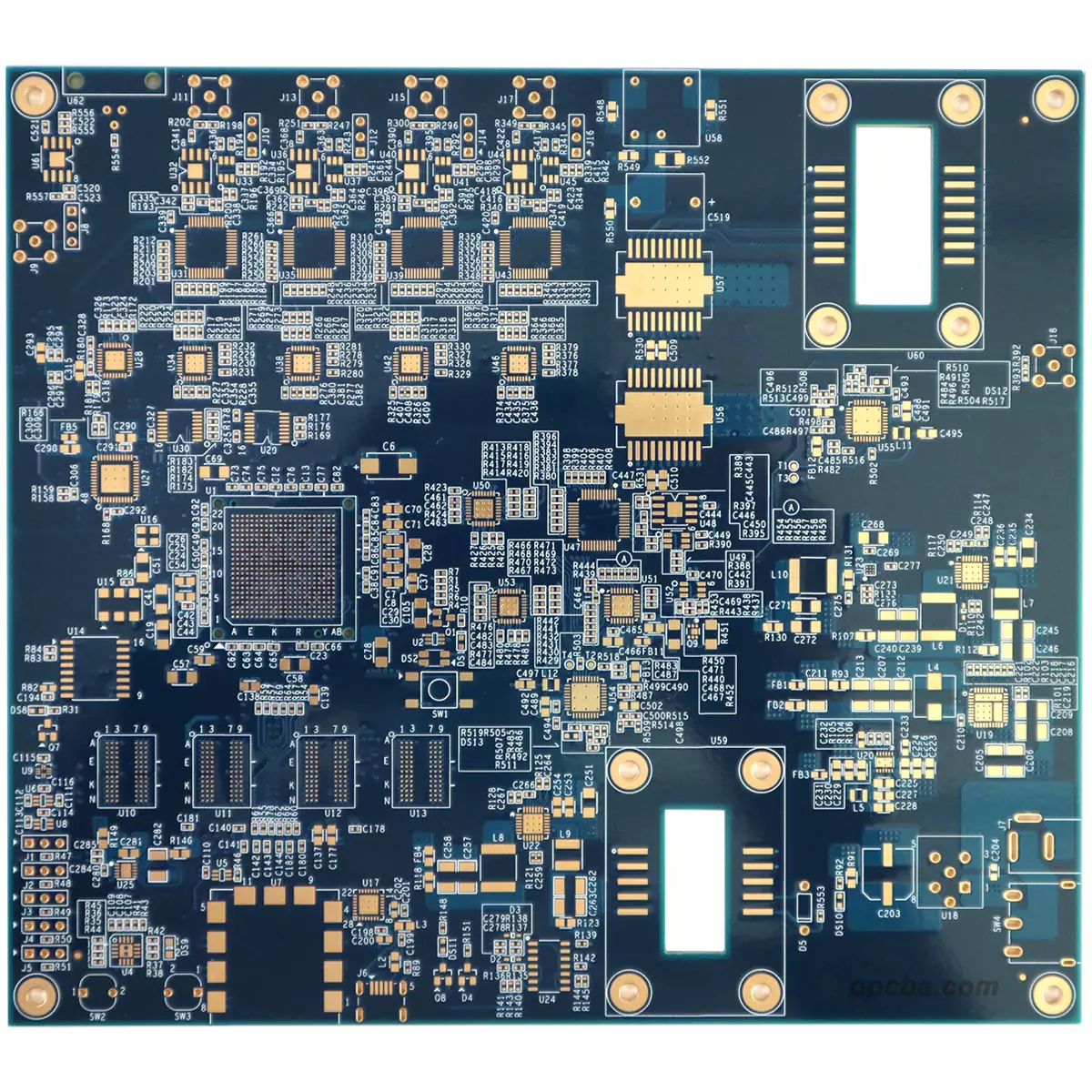
8-layer PCB is a common structure in electronic devices, consisting of multiple alternating layers of conductive and insulating layers. This design is widely used in modern electronic products, especially in situations that require high-density wiring and complex signal processing.
Structural Composition
8-layer PCB typically consists of multiple conductive and insulating layers. The conductive layer is generally made of copper foil material, while the insulation layer is made of materials such as glass fiber reinforced epoxy resin. The layers are bonded together through pre impregnated sheets to form a cohesive structure. The outermost layer is usually the signal layer, while the middle layer may include the power layer, ground layer, and internal signal layer. This layered design helps achieve better electrical performance and mechanical stability.
Key Design Considerations
When designing an 8-layer PCB, multiple factors need to be considered. The stacking method between layers can affect the overall performance of PCB board, and common stacking structures include symmetrical and asymmetrical. Signal integrity is an important consideration and requires a reasonable arrangement of the relative position between the signal layer and the reference layer. The integrity of the power supply cannot be ignored, and specialized power and ground layers are usually required. Thermal management design needs to combine material characteristics and interlayer structure to ensure effective heat dissipation. Electromagnetic compatibility design requires a reasonable layout of various functional areas to reduce interference.
Multi-Field Applications
8-layer PCBs have applications in multiple fields. Communication equipment is commonly used in base stations and network devices to meet the requirements of high-speed signal transmission. In computer systems, it is mainly used for motherboards and expansion cards, supporting high-speed operation of processors and memory. Applied in various controllers and acquisition cards in industrial control equipment to ensure system stability and reliability. The automotive electronics field is used in engine control and infotainment systems. Some high-end models in consumer electronics also adopt this design.
Material Selection & Cost Reference
The material selection of 8-layer PCB directly affects performance and cost. Ordinary FR-4 material is suitable for general industrial equipment, and low loss dielectric materials should be selected for high-frequency applications. The thickness of copper foil is usually 35μm for the outer layer and 18μm for the inner layer. Thicker copper foil can carry higher current, but it will increase the difficulty of etching. In the cost structure, materials account for about 40%, while drilling and electroplating processes each account for 20%. The cost of an 8-layer PCB is usually 60% -80% higher than a 4-layer PCB, but about 30% lower than a 12-layer PCB. In small-scale production, design costs may account for 25% of the total cost.