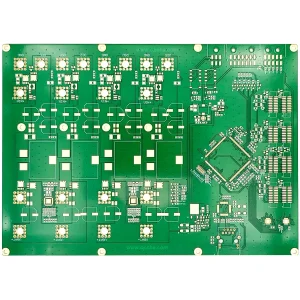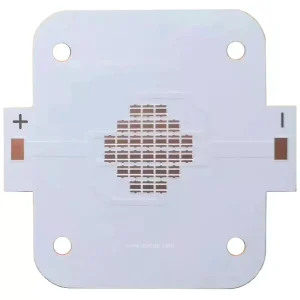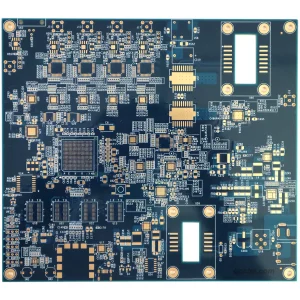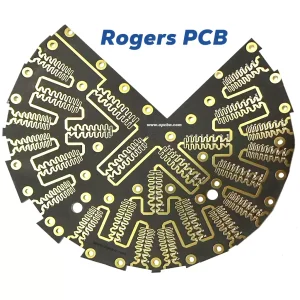
Copper PCB Product Overview
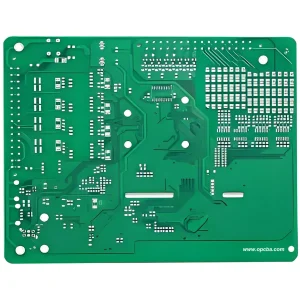
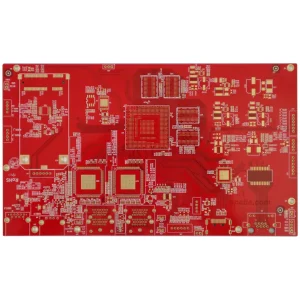
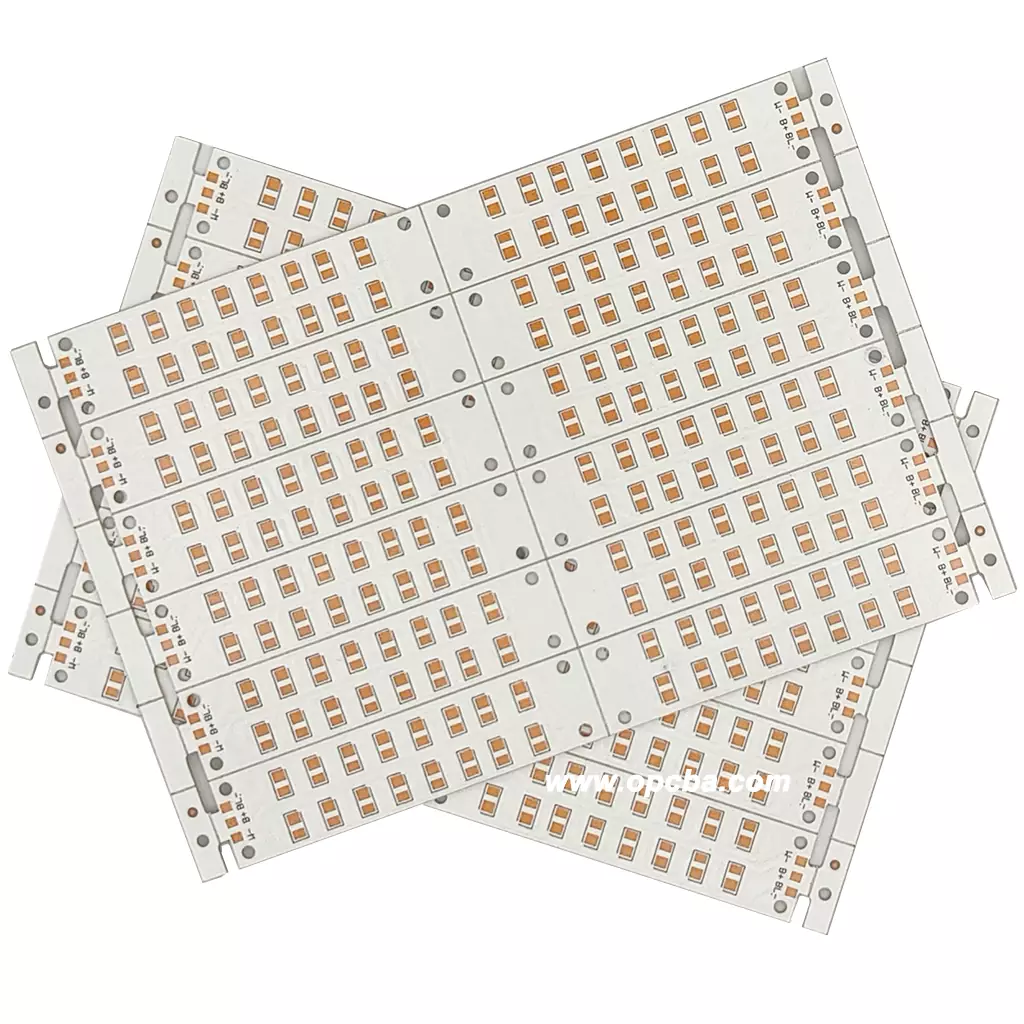
Copper PCB (copper-based circuit board) is a high-end metal-based printed circuit board. It uses high-purity copper or copper alloy as its base material. Its thermal conductivity reaches 380–400 W/(m·K). This performance far exceeds that of aluminum-based PCBs and traditional FR4 boards. It also offers strong current-carrying capacity and structural stability. For these reasons, Copper PCB serves as the core cooling solution for high-power, high-heat electronic devices. Furthermore, it finds wide use in high-end fields like industry, automotive, and new energy.
Composition Structure of Copper PCB
Copper PCB consists of three core layers. Specifically, these layers work together to balance heat dissipation and electrical performance precisely.
- Copper Base: This is the core heat dissipation and support layer. It uses oxygen-free copper or copper alloy. In turn, this material guarantees high thermal conductivity and mechanical strength.
- Insulation Layer: This layer sits between the copper base and the circuit layer. It uses ceramic-filled epoxy materials. Notably, it provides high electrical insulation and efficient heat conduction. Additionally, it prevents electrical breakdown while transferring heat away from components.
- Copper Foil Circuit Layer: This layer enables circuit conduction. The mainstream specification is 2–3oz thick copper. Moreover, it supports large current transmission. Finally, it also helps to enhance the overall heat dissipation effect.
Key Design Considerations
When designing Copper PCB, engineers must focus on four critical factors:
- Heat Dissipation Optimization: First, match the copper base specification and board thickness to the device’s power consumption. Then, optimize heat dissipation by thickening the copper foil or adding heat dissipation holes. Finally, avoid concentrated layouts of heating devices to prevent hotspots.
- Insulation Layer Matching: In high-power scenarios, prioritize high thermal conductivity insulation layers. Furthermore, ensure the insulation layer’s thermal expansion coefficient matches that of copper. This way, it prevents delamination and cracking caused by thermal cycling.
- Structural Reliability: To start, leverage the structural strength of the copper base to simplify installation design. Next, plan hole positions and stress distribution carefully. As a result, it avoids deformation and solder joint failure due to thermal expansion.
- Signal Integrity: In high-frequency applications, precisely control line width and insulation layer thickness. Additionally, use impedance matching technology. Consequently, this reduces signal reflection and crosstalk for stable transmission.
Material Selection
The choice of materials directly impacts the performance of Copper PCB.
- Copper Base: Oxygen-free copper delivers extreme heat dissipation. For this reason, it is ideal for high-end scenarios. On the other hand, copper alloys balance strength and processability. Therefore, they are the mainstream choice for most applications.
- Insulation Layer: Ceramic-filled materials have a thermal conductivity of 2.0–5.0 W/(m·K). Accordingly, they suit high-power requirements. In contrast, epoxy materials cost less. Thus, they are suitable for medium and low-power scenarios.
- Copper Foil and Surface Treatment: For high-current applications, select 2oz or thicker copper foil. For surface treatment, prioritize ENIG and immersion tin. In doing so, these options balance solderability and oxidation resistance effectively.
Application Domains
Copper PCB excels in demanding environments across several key industries:
- Industrial Control: It is used in frequency converters, servo drives, and high-power modules. As a result, it ensures stable operation under high-load conditions.
- Automotive Electronics: It powers motor controllers and BMS systems. Moreover, it withstands the harsh temperature and vibration of vehicle environments.
- New Energy: It is found in photovoltaic inverters, energy storage systems, and charging stations. Furthermore, it improves the conversion efficiency of power devices.
- Aerospace: It is used in radar and navigation equipment. Ultimately, it provides reliable heat dissipation and electrical performance in extreme conditions.