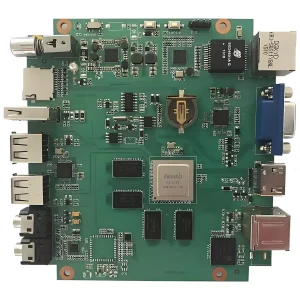
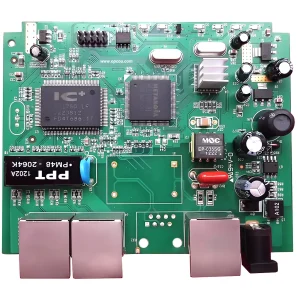
Overview of Electronic Design
Electronic Design The core of the entire process of electronic equipment development is the bridge that connects circuit theory and engineering practice. It is widely applied in various electronic fields, integrating circuit theory, design specifications and engineering practice to achieve creative work aimed at the functional, performance and reliability goals of electronic systems.
Electronic Design Requirement Analysis and Plan Design
1. Clarify core requirements: Function positioning of the electronic system, performance indicators (such as signal rate, power consumption, temperature resistance range).
2. Determine constraints: Cost budget, mass production requirements.
3. Organize core tasks: Sort out technical difficulties, determine the overall design scheme and technical route.
Electronic Design Schematic
1. Core task: Draw the circuit schematic based on requirements, clearly define the connection relationships of each component.
2. Key points: Complete the selection of components, signal link planning, power supply and grounding design, avoid circuit logic errors.
PCB Electronic Design
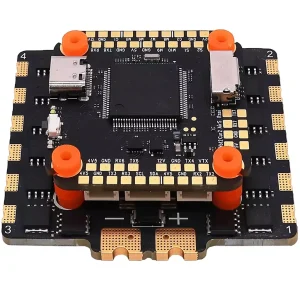
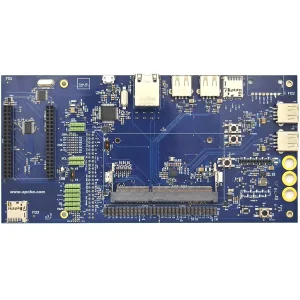
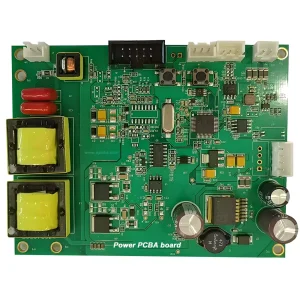
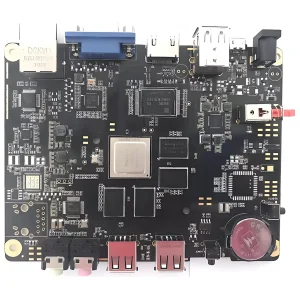
1. Core task: Convert the schematic diagram into a physical entity to achieve the physical layout of the circuit.
2. Key points: Routing design, layer planning, electromagnetic compatibility (EMC) design, taking into account the PCB size, heat dissipation performance and compatibility with production processes.
Simulation verification and optimization
1. Core task: Utilizing professional design software, conduct simulation tests to identify design flaws.
2. Key points: Test signal integrity, power integrity, electromagnetic interference, etc., optimize wiring and component layout to ensure performance meets standards.
Prototype production and mass production implementation
1. Core task: Produce samples for physical testing to verify the feasibility of the design plan.
2. Key points: Iterate and modify based on testing issues, output design documents that meet mass production standards, and support subsequent production and manufacturing.