Designing Millimeter-Wave Radar PCBs: From 24–77 GHz Signal Integrity to Reliable Manufacturing
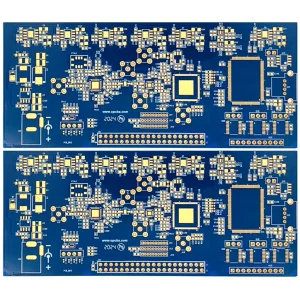
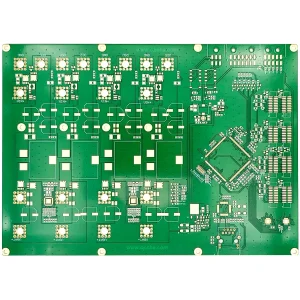
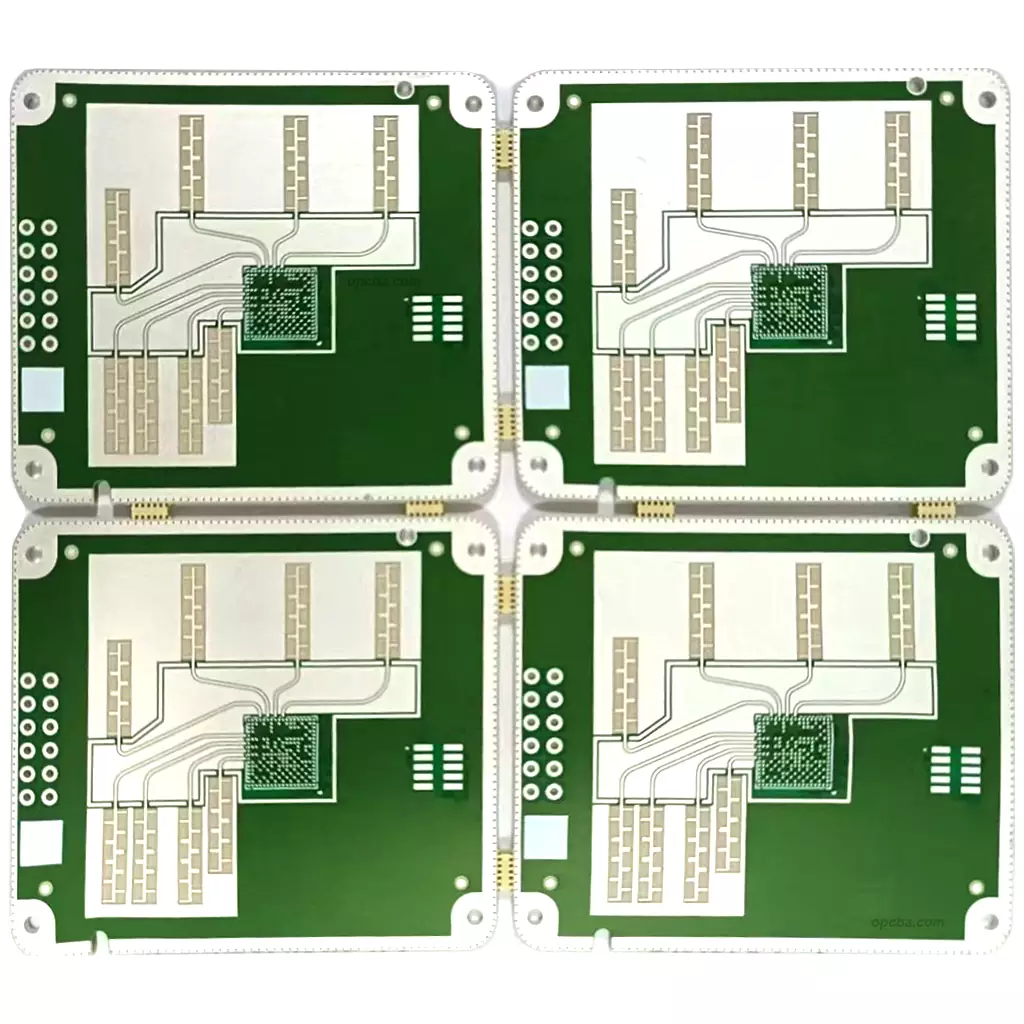
Millimeter-wave radar PCB is a printed circuit board specifically engineered to handle extremely high-frequency signals within the 24 GHz to 77 GHz range. These PCBs are used in radar systems for precise object detection, ranging, and velocity calculations. Material selection, design precision, and assembly accuracy are critical to their performance.
Designing a millimeter-wave radar PCB is not an easy task—it requires handling fast signals, avoiding interference, and maintaining reliability in harsh environments. However, by following industry best practices and procedures, it can be achieved. Here are some design guidelines:
Select the correct layer stackup – RF PCBs handle both digital and radio frequency signals, which may require separate ground planes. This often necessitates multiple dedicated ground layers, increasing the board’s layer count. In certain cases, if digital signal frequencies are extremely high, a hybrid material layer stack may be employed. The layer stack determines trace characteristics and PCB manufacturability.
Selecting Suitable Materials – Common materials like FR-4 cannot handle signals above 1-2 GHz. These are termed standard loss materials (technically, they can manage high frequencies if trace lengths are sufficiently short). For high-frequency signals, ideally, the material datasheet must be consulted. Alternatively, estimates can be made by examining the tangent of the loss angle or the dissipation factor. A lower dissipation factor indicates lower attenuation at higher frequencies.
Millimeter-wave radar PCB systems operate by emitting radio signals and listening for their reflections. First, the transmitter sends signals through the antenna. When the signal encounters an object, it bounces back and is received by the receiver. Once the radar receives the signal, the processor calculates the object’s distance, speed, and even direction by analyzing the signal’s time delay and variations.
With emerging trends like artificial intelligence, Millimeter-wave radar PCB technology, and eco-friendly materials, radar PCBs now demand greater attention and expertise than ever before.