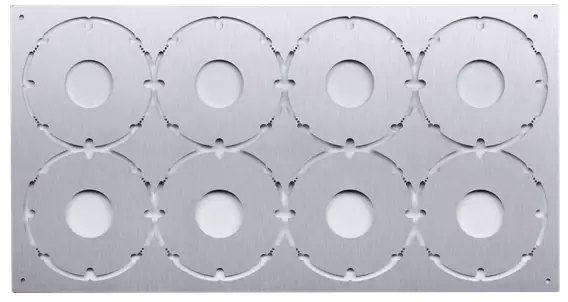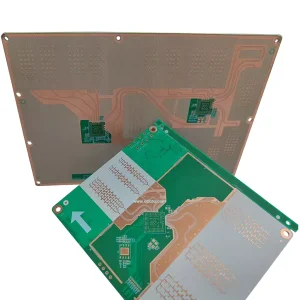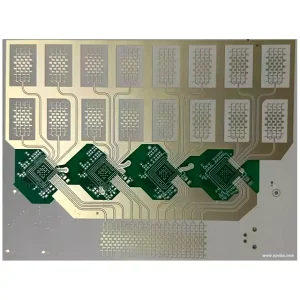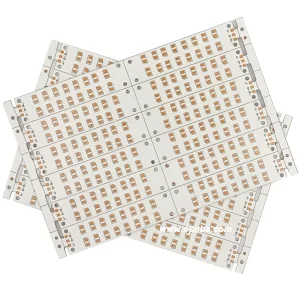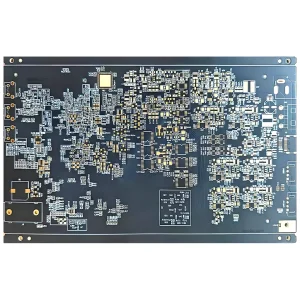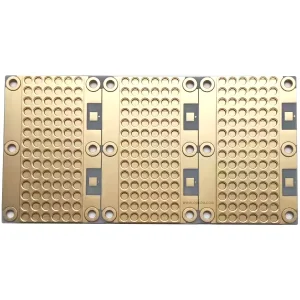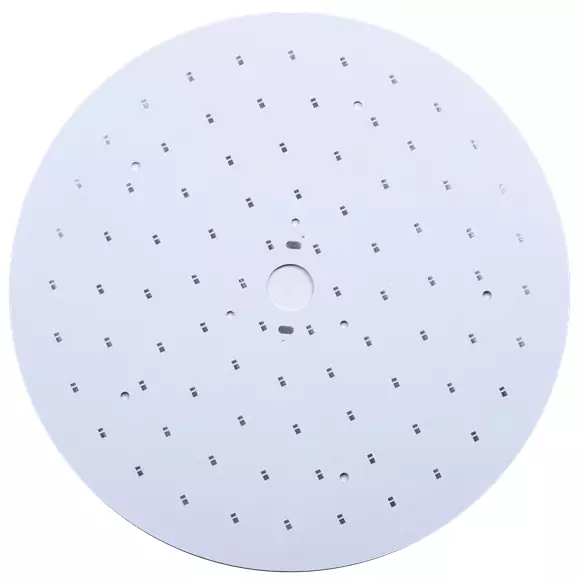
Product Overview of Aluminum PCB
Structural Composition of Aluminum PCB
- Copper Circuit Layer: This layer forms conductive paths for signals and power. Copper thickness ranges from 1oz to 6oz, and thicker options work well for high-current needs.
- Dielectric Insulation Layer: A thermally conductive, electrically insulating material sits between copper and aluminum base. It transfers heat from copper traces to the substrate and ensures electrical isolation at the same time.
- Aluminum Base Layer: This acts as the main heat sink. The high thermal conductivity of the aluminum alloy efficiently moves heat away from critical components, prevents overheating, and extends device lifespan.For applications that require integrated conductive and resistive features on PCBs, a specialized carbon ink process offers a unique solution—learn more about this technology at https://opcba.com/what-is-carbon-ink-pcb/.
Key Design Considerations for Aluminum PCB
Thermal Management: The main advantage of these boards is their heat dissipation. Designers place high-power components strategically to leverage the substrate’s thermal conductivity, and they often use thermal vias to enhance heat transfer.Electrical Isolation: The dielectric layer’s thickness and properties are vital for proper isolation between copper traces and the metal base, which prevents short circuits.Mechanical Stability: The metal substrate offers excellent rigidity and dimensional stability. This is especially beneficial for automotive and industrial electronics that need robust construction.Manufacturing Compatibility: Specialized processes are needed for drilling, routing, and plating these boards due to the metal core, so you must consider this early in the design phase.
Aluminum PCB Material Selection for
Aluminum Substrate: The type of aluminum alloy directly impacts thermal conductivity. Common options like 1060, 5052, and 6061 aluminum offer different levels of thermal performance and mechanical strength.
Dielectric Material: The dielectric layer must balance high thermal conductivity with good electrical insulation. Epoxy resin with ceramic fillers is a popular choice to achieve this balance.
Copper Foil: The thickness and quality of the copper foil determine the board’s current-carrying capacity. Thicker copper works well in high-power applications, as it reduces resistance and minimizes heat generation.
Application Areas of Aluminum PCB
- LED Lighting: High-brightness LEDs produce significant heat. These boards efficiently dissipate this heat, ensuring consistent performance and a longer lifespan for the LEDs.
- Power Supplies and Inverters: High-power components in power supplies and frequency converters rely on these boards to manage heat and maintain operational stability.
- Automotive Electronics: In automotive systems, these boards appear in engine control units, power distribution systems, and LED headlights, where reliability under harsh conditions is critical.
- Industrial and Aerospace Equipment: The robust nature and thermal efficiency of these boards make them suitable for demanding industrial and aerospace electronic systems.