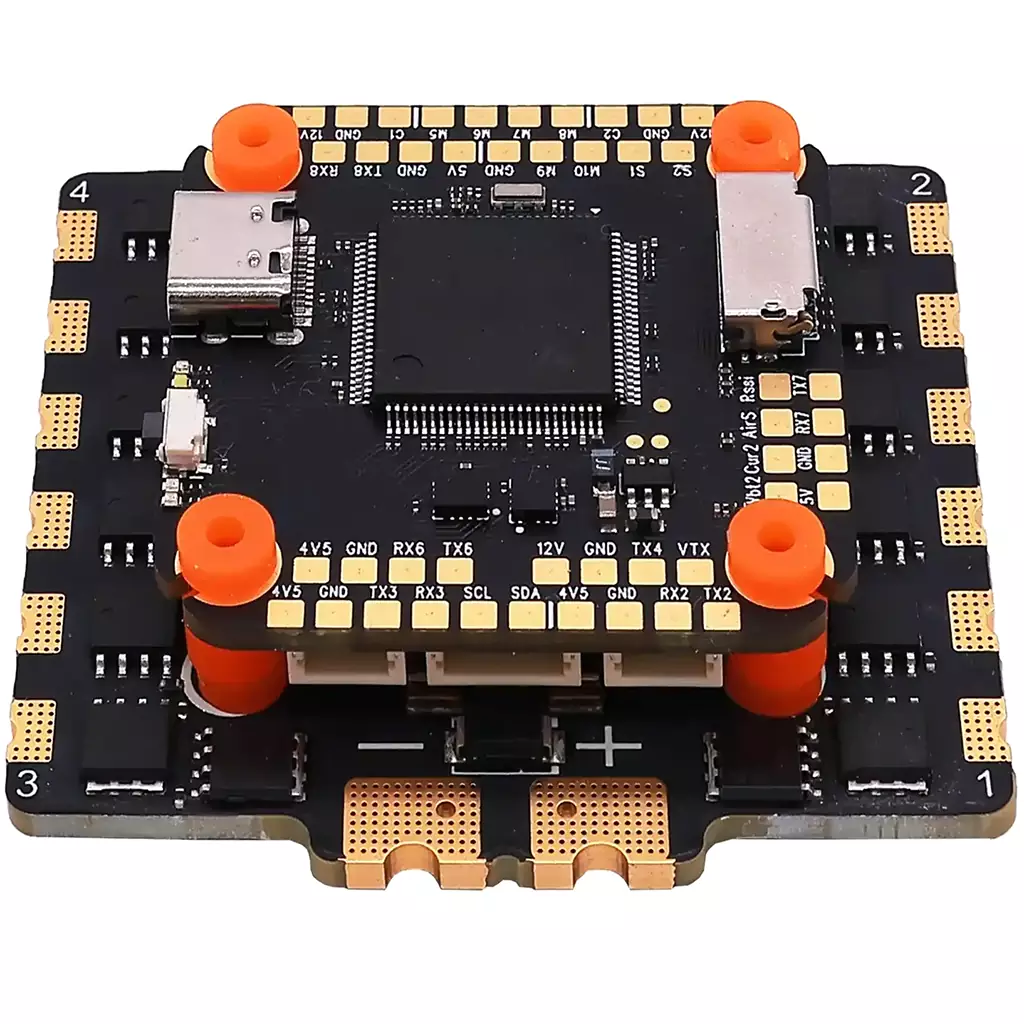
Drone PCBA Overview
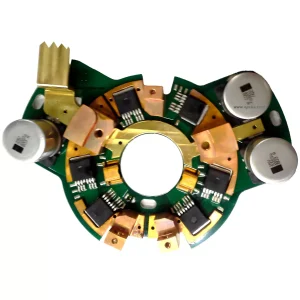
Drone PCBA is a high-precision, lightweight electronic assembly tailored for unmanned aerial vehicles (UAVs). It serves as the core “control and communication hub” of drones, integrating flight control, motor drive, and signal transmission functions. This specialized assembly ensures stable performance in aerial environments, withstanding vibration, temperature changes, and electromagnetic interference during flight. For reference on high-precision PCB manufacturing standards, visit https://opcba.com/mall/automotive-pcba/.
Core Definition and Function
- Full Name and Essence: This assembly is a drone-specific printed circuit board build, engineered to support UAV flight operations. It combines compact design with high reliability, fitting the strict space and weight constraints of drone bodies.
- Difference from General PCBA: General PCBA focuses on basic signal transmission for indoor devices. By contrast, this drone-focused variant prioritizes lightweight construction, anti-vibration performance, and high-speed signal integrity—critical for stable flight control.
- Core Value: It acts as the “brain and nerve system” of drones. Without it, flight controllers, motor drives, and image transmission modules cannot coordinate, making safe and precise aerial operations impossible.
Key Assembly Components
- Basic Carrier: Drone PCBA uses high-Tg FR-4 or Rogers substrates for its foundation. These materials balance lightweight design with thermal stability, preventing overheating during long flight sessions. For insights into high-frequency PCB applications (relevant to drone image transmission), visit https://opcba.com/millimeter-wave-radar/.
- Core Components: Engineers select miniaturized, high-reliability parts for the assembly. These include flight control chips, anti-vibration connectors, and low-power sensors—all rated for the harsh aerial environment of constant vibration, temperature fluctuation and outdoor dust.
- Auxiliary Materials: Specialized materials complement the assembly’s needs. High-temperature solder paste ensures strong, vibration-resistant solder joints, while conformal coatings form a protective barrier against dust and moisture encountered during outdoor flights.
Precision Production Workflow
This drone-focused assembly follows a strict, precision-driven manufacturing process to meet UAV performance demands:
- PCB Incoming Inspection: Engineers screen drone-specific PCBs for trace precision, impedance consistency and thermal performance. They eliminate defective materials early to avoid flight-related failures caused by circuit defects later.
- Component Preparation: Teams first verify the miniaturization, anti-vibration ratings and wide-temperature adaptability of all components. They then store sensitive electronic parts in dry cabinets to prevent moisture damage and ensure performance stability.
- Solder Paste Printing: Technicians apply solder paste to PCB pads with micron-level accuracy. This step is critical for mounting tiny components in the assembly’s compact layout and ensuring uniform solder joint formation.
- High-Precision SMT Assembly: High-precision placement machines mount miniaturized chips and connectors with extreme accuracy. This ensures the assembly fits within the drone’s limited internal space while maintaining complete functional performance.
- Controlled Reflow Soldering: A custom temperature curve melts the solder paste, protecting sensitive flight control and signal transmission components from thermal damage. It also forms firm, vibration-resistant solder joints suitable for aerial operation conditions.
- Conformal Coating: Technicians apply a thin, uniform protective layer to the assembly. This coating shields it from environmental factors like dust, light moisture and slight corrosion during long-term outdoor flights.
- Functional Testing: Inspectors run flight simulation tests on finished units, checking signal transmission, motor drive stability and sensor data accuracy. They also conduct random vibration tests to ensure structural and electrical durability in actual flight.
- Packaging: Qualified assemblies are packaged in anti-static, shockproof trays with moisture-proof protection. This protects the precision components during shipping and prevents damage to sensitive electronic circuits.
Key Application Fields
This specialized assembly powers various drone types, supporting both consumer and industrial use cases:
- Consumer Aerial Photography Drones: It enables precise flight control and high-definition image and video transmission. Moreover, it supports humanized features like gesture control, automatic hover and waypoint flight for user-friendly operation.
- Industrial Inspection Drones: For power line, pipeline, and agricultural field inspection, the assembly withstands complex outdoor conditions such as strong wind, temperature changes and dust. It ensures stable wireless communication and accurate sensor data collection during long endurance flights.
- Specialized Drones: In logistics delivery and topographic surveying drones, it effectively manages heavy payloads and long-range signal transmission. It also supports high-precision GPS and Beidou integration for accurate positioning and navigation.
- Recreational Drones: It provides stable and reliable basic performance for hobbyist drones, balancing cost-effectiveness with flight stability. It also supports popular basic flight modes like altitude hold, one-key takeoff and return.