FR4 PCB Product Description
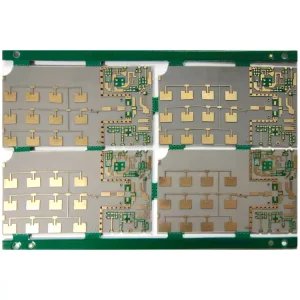
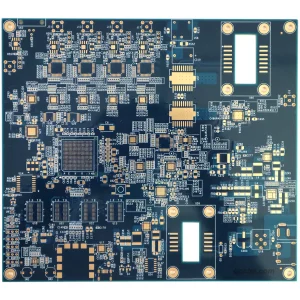
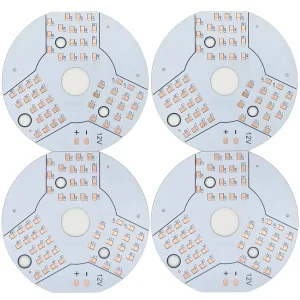
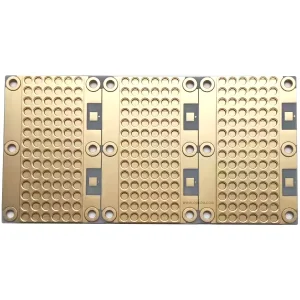
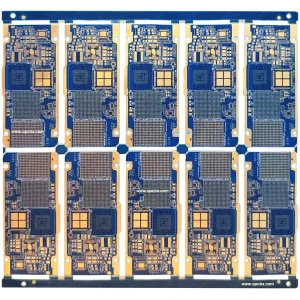
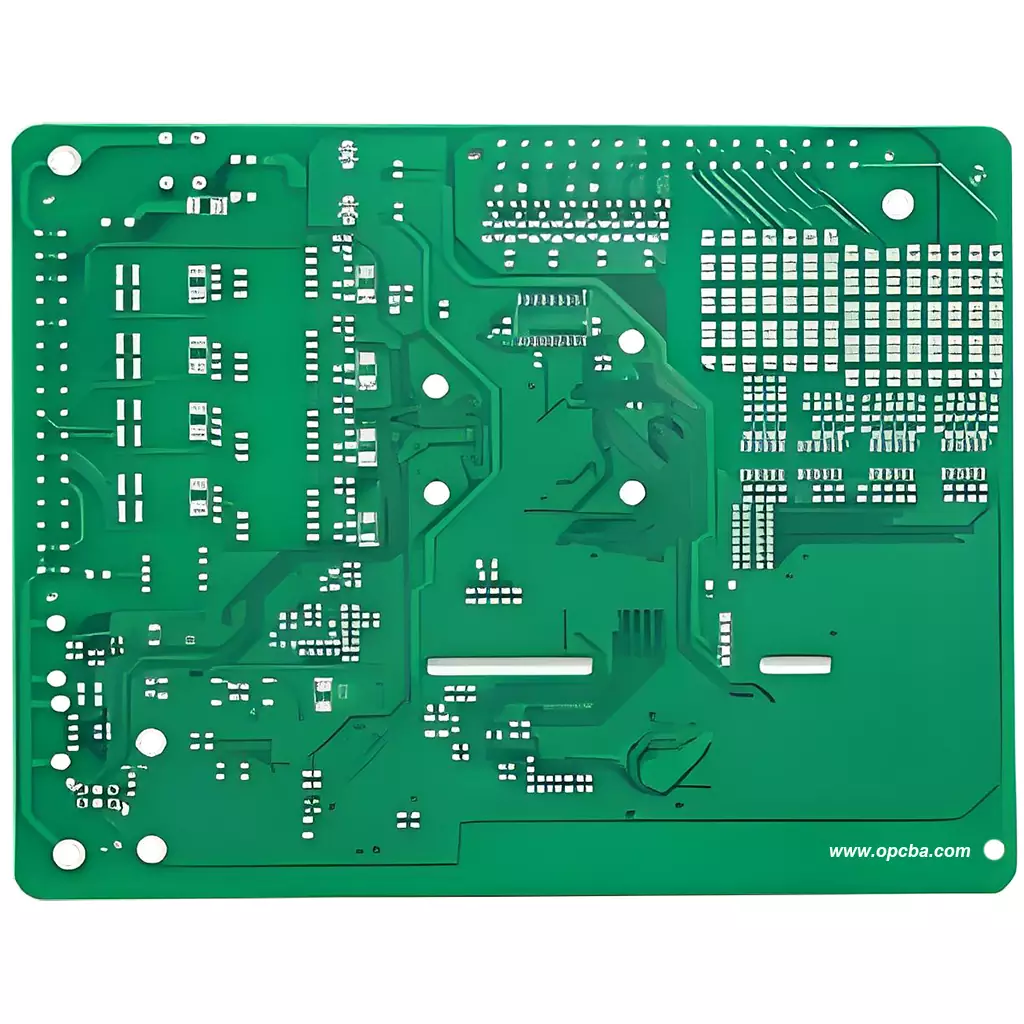
FR4 PCB is a general-purpose circuit board based on epoxy resin and glass fiber substrate. It features stable electrical insulation and reliable mechanical performance, making it ideal for daily consumer and industrial electronic products. Besides, it delivers good cost efficiency and easy processing, which is crucial for mass production and stable long-term operation.
Structural Composition of FR4 PCB
Substrate Material (FR4)
We adopt FR4 as the core substrate material. This material is composed of epoxy resin and glass fiber cloth, with stable dielectric properties and excellent flame-retardant performance. It also offers good rigidity, moisture resistance, and temperature stability for long-term use.
Circuit Layer
The circuit layer supports single-sided, double-sided, and multilayer structures. It allows fine line width and spacing, strong copper adhesion, and reliable impedance control. This design ensures stable signal transmission and high compatibility with standard electronic assembly.
Surface Treatment
Common surface finishes include ENIG, HASL, OSP, and tin spraying. These treatments improve solderability and protect the circuit from oxidation and wear. They also extend the service life and ensure stable performance during multiple soldering processes.
Key Design Considerations for FR4 PCB
Key design factors include impedance control, heat dissipation, layer structure, and material matching. Strict impedance tolerance ensures stable signal transmission. Proper copper thickness and thermal vias improve heat dissipation for regular working conditions. Reasonable board thickness and structure layout further enhance overall performance and stability.
Wide Application Areas
FR4 PCB is widely used in consumer electronics, smart home devices, industrial control, and automotive electronics. It also performs well in power supplies, communication equipment, and daily electronic products that require stable and cost-effective circuit solutions.
Material Selection & Cost Reference
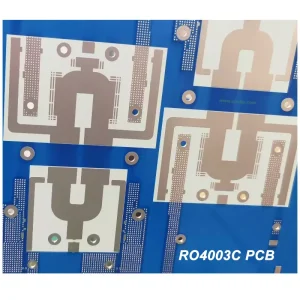
FR4 PCB provides balanced performance and economy compared with high-frequency materials. The cost depends on board thickness, layer count, line width, and surface treatment. With mature processing and high availability, it remains the most popular choice for general electronic projects.