Millimeter wave radar is a cornerstone of modern sensing technology. It enables precise detection, ranging, and speed measurement across diverse high-demand industries.
Millimeter wave radar excels in harsh environments where traditional sensors fail. Low visibility, extreme temperatures, and vibration do not degrade its performance. This makes it ideal for automotive ADAS, aerospace navigation, and industrial monitoring.
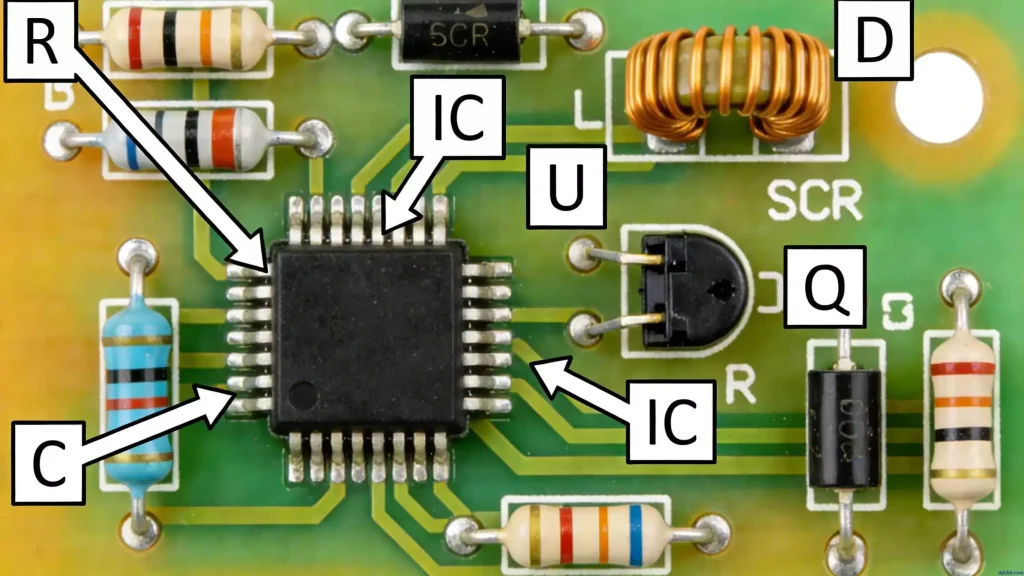
The reliability of Millimeter wave radar depends on high-quality PCBs and PCBAs. These components form the backbone of signal transmission and power management. As a one-stop PCB/PCBA manufacturer, we design solutions that unlock the full potential of this sensing technology.
Unlike conventional microwave radar, Millimeter wave radar operates in the 24GHz–81GHz spectrum. Shorter wavelengths deliver higher resolution and compact form factors. This high-frequency range demands specialized PCB/PCBA design to maintain signal integrity.

Key Applications of Millimeter Wave Radar Across Industries
This sensing technology’s versatility and robustness make it indispensable across sectors. Each application relies on precision PCB/PCBA integration to deliver real-time data and resist interference.
Automotive ADAS
This sensing technology is the core of automotive safety features like adaptive cruise control and automatic emergency braking. Most systems operate at 77GHz for long and short-range detection. Our PCB/PCBA solutions meet ISO 26262 standards, ensuring reliability through temperature swings and vibration.
Aerospace and Defense
These high-frequency sensors support helicopter fire control and satellite navigation in aerospace and defense. These systems must withstand radiation, vacuum, and extreme temperatures. Our high-reliability PCBs use radiation-hardened materials, meeting MIL-STD-810 standards.
Industrial and Civil Infrastructure
These systems detect debris flow, bridge deformation, and traffic conditions in industrial settings. These applications require long-distance sensing and weather resistance. We design PCBs with high-thermal substrates and shielded enclosures to protect these modules.
Core Technical Principles of Millimeter Wave Radar
This sensing technology transmits high-frequency waves and analyzes reflected signals. It generates a “point cloud” to measure target distance, speed, and direction. The system relies on a transmitter, receiver, and processor—all integrated onto PCBs with strict technical criteria.
Frequency Band Matching
Common bands are 24GHz (short-range) and 77–81GHz (long-range). Each band needs specialized PCB materials. 24GHz systems use high-frequency FR-4, while 77GHz sensors require low-loss Rogers 4350B to minimize signal loss.
MIMO Technology
MIMO technology enhances the resolution and coverage of these sensors. It requires precise trace spacing and 50Ω impedance control to avoid crosstalk. We use advanced CAD routing to ensure consistent impedance for optimal performance.
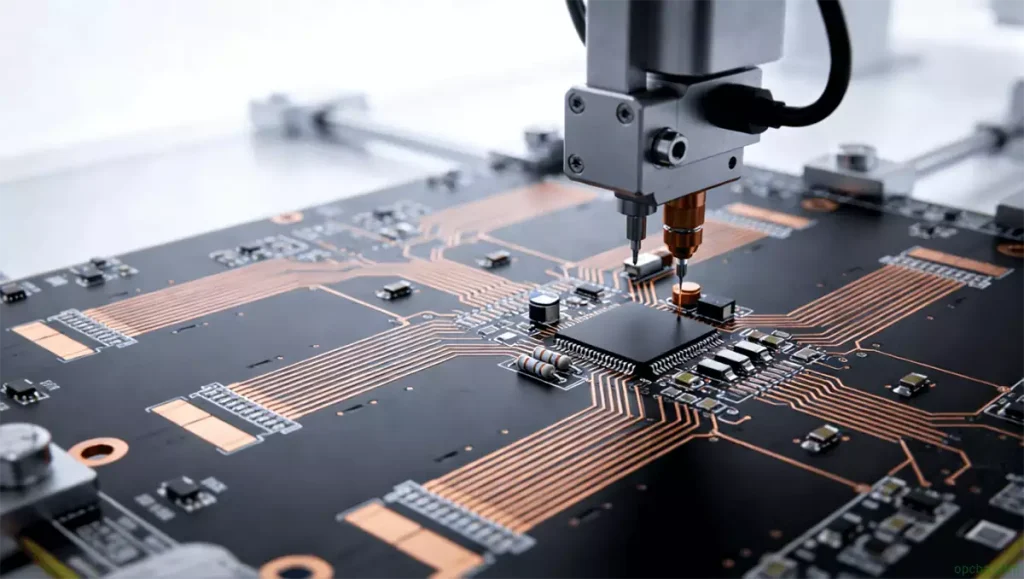
PCB/PCBA Design for Millimeter Wave Radar
Designing PCBs/PCBAs for these sensors requires high-frequency expertise. Our process adheres to global standards and advanced techniques.
1. High-Frequency PCB Design
- Impedance Control: We maintain 50Ω/75Ω impedance across RF traces to minimize signal loss.
- Trace Routing: Short, wide traces reduce resistance. Power and signal traces are separated to prevent EMI.
- Low-Loss Materials: Rogers 4350B and PTFE substrates ensure signal integrity for these high-frequency systems.
2. Precision PCBA Assembly
- High-Precision Soldering: Lead-free SMT reflow soldering ensures low-resistance joints for high-frequency signals.
- Component Validation: All RF components undergo testing to meet performance requirements.
- EMI Shielding: Custom enclosures protect sensitive RF sections from interference.
Future Trends of Millimeter Wave Radar
These high-frequency sensors are evolving to higher frequencies (up to 140GHz) and smaller form factors. This drives innovations like embedded antennas and flexible PCBs. Our R&D team advances HDI processing to meet next-generation demands.
As a one-stop PCB/PCBA manufacturer, we partner with customers to develop Millimeter wave radar solutions. Whether for automotive ADAS or aerospace defense, our products deliver reliable sensing performance in harsh environments.