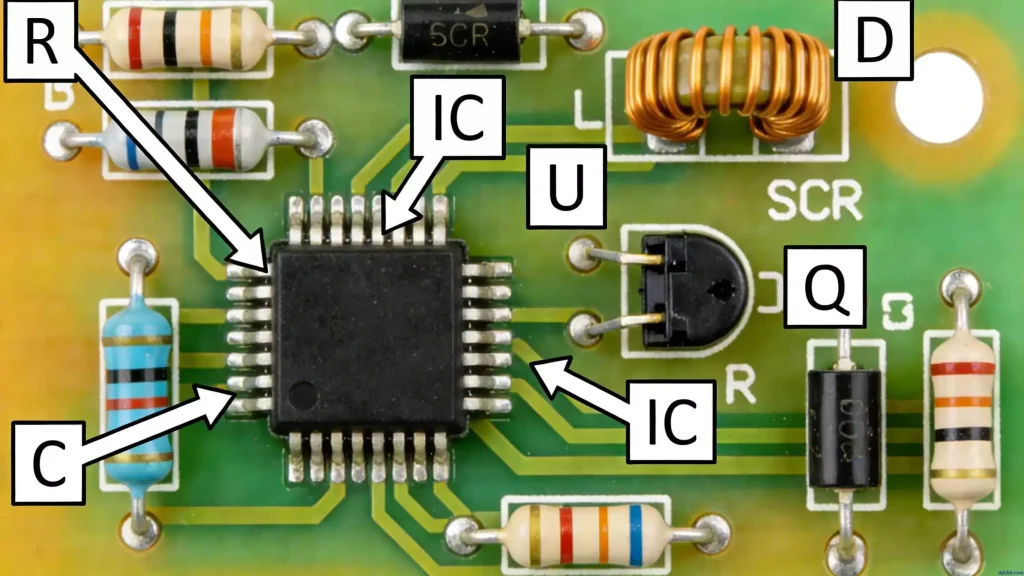
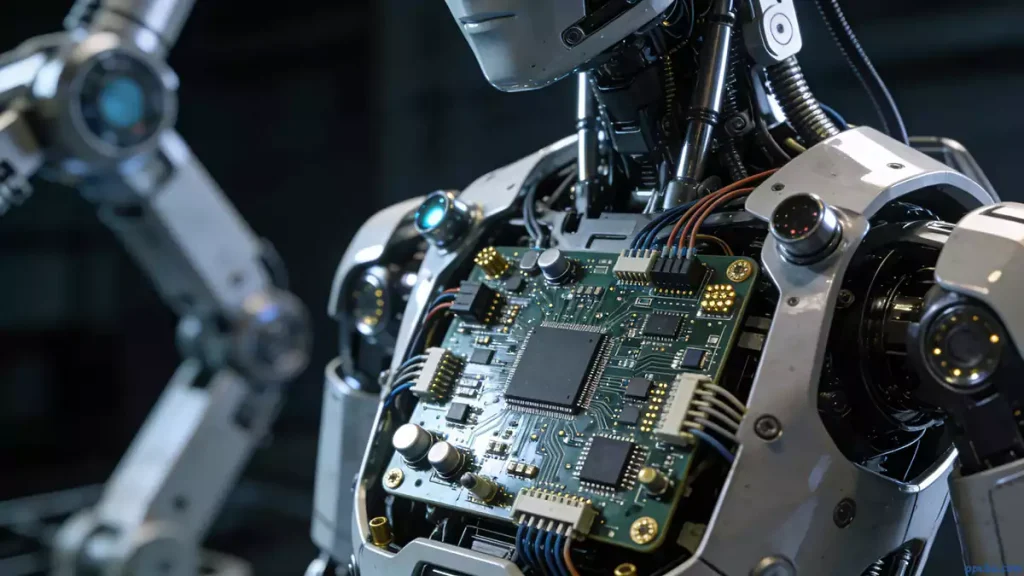
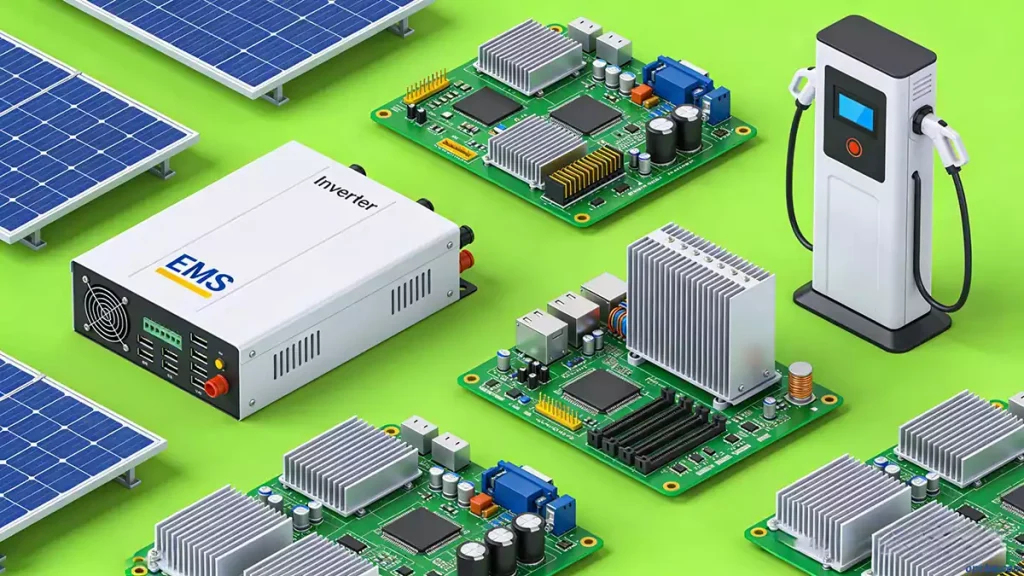
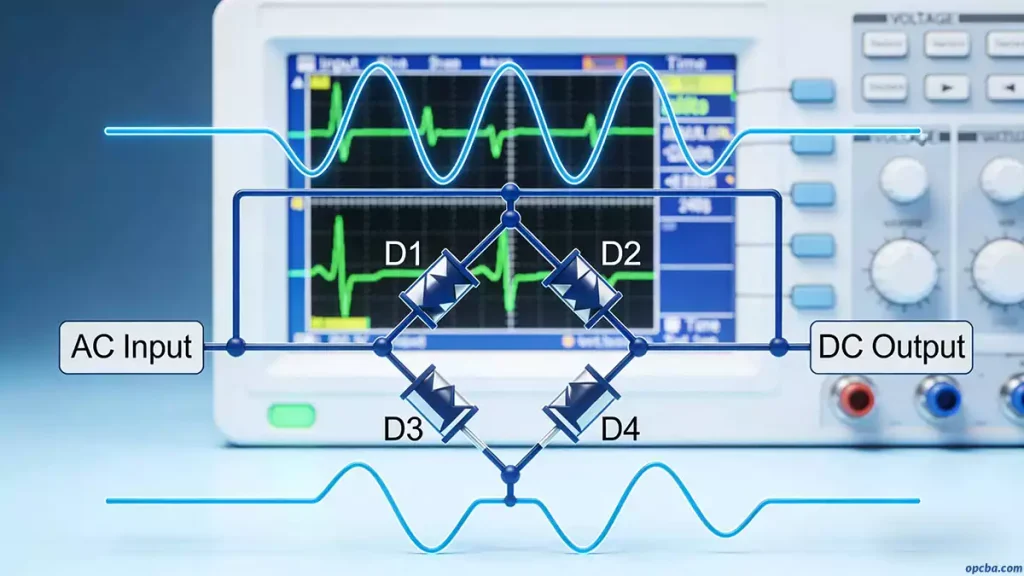
Power and energy are the lifelines of modern electronic systems. For high-reliability applications like aerospace avionics, industrial automation, and satellite communications, even minor inefficiencies in power delivery can lead to mission failure or costly downtime. The performance of these systems depends entirely on how well their printed circuit boards (PCBs) and printed circuit board assemblies (PCBAs) manage this critical resource—from minimizing losses to ensuring stable delivery in extreme environments. As a one-stop PCB and PCBA manufacturer, we specialize in designing and producing solutions that optimize this efficiency for mission-critical applications.
In high-reliability sectors, this management is not just a technical consideration. It is a core requirement to meet regulatory standards, extend operational lifespans, and reduce maintenance costs. Every component on a PCB, from capacitors and voltage regulators to trace layouts, plays a role in preserving this resource. Poor design or manufacturing can create bottlenecks, waste energy, and compromise system reliability.
The Critical Role of Power and Energy in High-Reliability Electronics
This efficiency directly impacts the performance and longevity of high-reliability systems. For example, aerospace satellites rely on limited solar power. Even a 1% improvement can extend their operational life by months. Industrial control systems, meanwhile, must maintain consistent power delivery to avoid production halts.
Key challenges in management include:
- Minimizing power loss in PCB traces and components
- Ensuring stable voltage regulation across temperature extremes
- Reducing heat generation to prevent component degradation
- Optimizing energy storage for backup power in remote or space applications
These challenges require a holistic approach that combines PCB design, component selection, and PCBA manufacturing expertise. Our engineering team addresses each of these factors to deliver systems that maximize this efficiency.
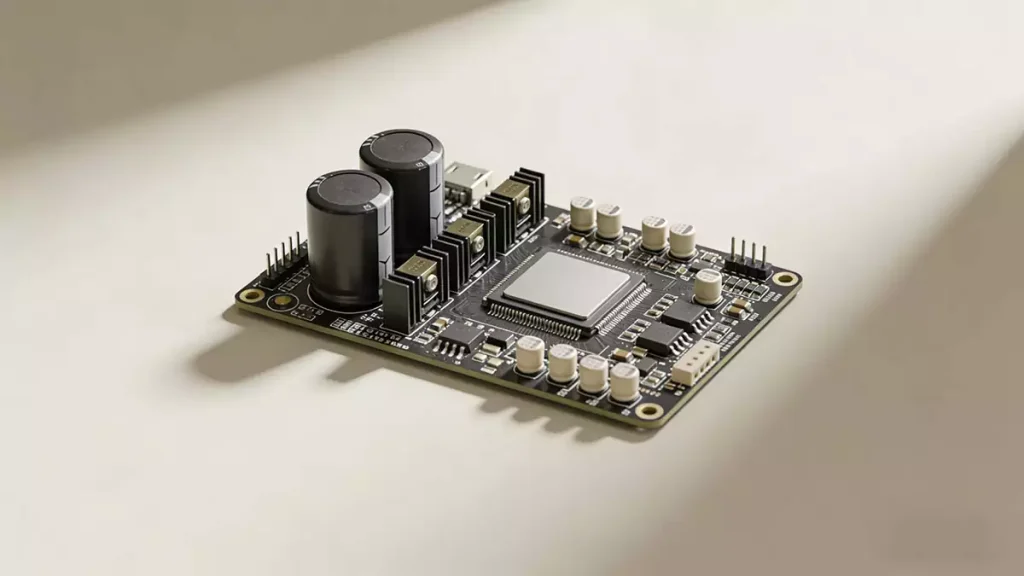
PCB Design Strategies for Power and Energy Efficiency
PCB design is the foundation of effective management. Small choices in layout, material selection, and trace routing can have a significant impact on performance.
1. Trace Routing for Low Power Loss
Wide, short traces reduce resistance and minimize power dissipation. For high-current circuits, we use heavy copper traces (2-4 oz/ft²) to handle higher loads without excessive heat. We also separate power and signal traces to avoid electromagnetic interference (EMI), which can waste energy and disrupt signal integrity.
2. Thermal Management for Energy Preservation
Heat is a major enemy of this efficiency. We use high-thermal-conductivity PCB substrates (e.g., aluminum-backed FR-4) to dissipate heat away from critical components. We also place power regulators and capacitors close to load devices to reduce voltage drops and improve delivery.
3. Component Placement for Optimal Power Delivery
Strategic placement of capacitors and voltage regulators stabilizes power supplies and reduces waste. We decouple sensitive components with ceramic capacitors to filter noise and ensure consistent voltage. This approach minimizes loss and extends component lifespans.
PCBA Manufacturing for Optimized Power Delivery
Even the best PCB design can fail if not manufactured to high standards. Our PCBA processes are optimized to preserve this efficiency from assembly to deployment.
1. Precision Soldering for Low Resistance Joints
We use lead-free SMT reflow soldering with tight temperature controls. This creates low-resistance solder joints that minimize power loss. Automated optical inspection (AOI) ensures every joint meets IPC-A-610 Class 3 standards, preventing energy-wasting defects.
2. Component Validation for Energy Efficiency
We source components with high efficiency ratings, such as low-ESR capacitors and high-efficiency voltage regulators. Each component undergoes pre-assembly testing to confirm its performance, ensuring it meets the system’s requirements.
3. Environmental Testing for Reliability
Our PCBAs undergo thermal cycling, vibration, and humidity testing to simulate real-world conditions. This validates their performance under stress, ensuring they maintain efficiency throughout their operational lifecycle.
Industry Standards for Power and Energy Reliability
High-reliability systems must comply with strict standards for this management. We adhere to:
- IPC-9592: Guidelines for PCB thermal design to optimize this efficiency
- MIL-STD-704: Requirements for aircraft electrical power systems
- NASA-STD-7001: Standards for satellite power subsystem reliability
These standards ensure our PCBs and PCBAs meet the highest levels of performance for aerospace, defense, and industrial applications.
Future Trends in Power and Energy Management for PCBs and PCBAs
As technology evolves, the demand for better management will grow. Key trends include:
- Embedded Power Supplies: Integrating voltage regulators directly into PCBs to reduce loss
- Wide Bandgap Semiconductors: Using SiC and GaN components to boost this efficiency by 20-30%
- AI-Driven Design: Using machine learning to optimize PCB layouts for minimal waste
Our team is already adopting these innovations to deliver next-generation solutions for our customers.