Glass PCB (glass-ceramic printed circuit boards) stands as a breakthrough in advanced substrate technology for the printed circuit board industry. First, its unique thermal, electrical, and mechanical properties make glass printed circuit boards increasingly popular in high-temperature, high-frequency, and high-reliability electronic applications. This guide breaks down the core characteristics, key advantages, limitations, and real-world use cases of glass PCB, and provides a detailed comparison with traditional PCB substrate materials.
1. Core Characteristics of Glass PCB
Glass PCBs stand out from standard circuit board substrates due to their distinct material composition and performance traits. Notably, their core characteristics include:
1.1 Material Composition
Engineers primarily manufacture glass PCBs from a glass-ceramic composite. This engineered material blends the inherent stability of glass with the structural resilience of ceramic, delivering a balanced set of performance properties for demanding electronic applications.
1.2 Extreme Thermal Stability
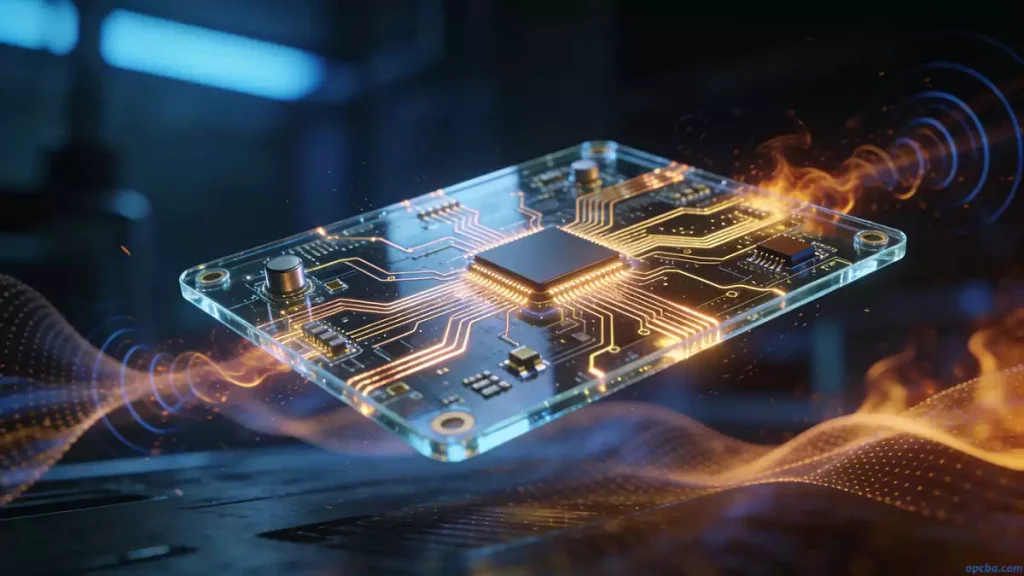
Glass PCBs deliver exceptional thermal performance, withstanding continuous operating temperatures up to 300°C. This high heat resistance makes them ideal for environments where standard substrates would degrade or fail.
1.3 Superior Dielectric Properties
Glass PCBs feature a lower and more stable dielectric constant than standard FR-4 PCBs. This trait minimizes signal loss and preserves signal integrity, especially in high-frequency and high-speed circuit designs.
1.4 High Mechanical Strength
Glass PCBs offer outstanding mechanical rigidity and impact resistance, with excellent wear and fatigue tolerance. This durability extends the service life of the assembly in harsh, vibration-prone operating environments.
2. Key Advantages of Glass PCB
The unique material properties of glass PCBs deliver distinct benefits for specialized electronic designs, including:
2.1 Unmatched High-Temperature Performance
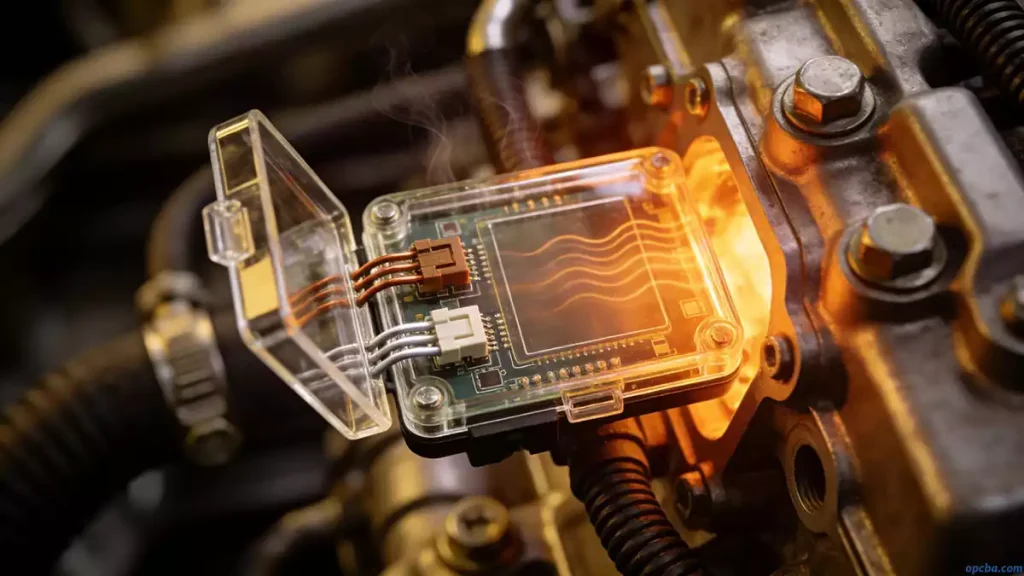
Glass PCBs maintain structural and electrical stability in extreme high-temperature settings, making them ideal for aerospace, automotive under-hood, and industrial high-heat applications where standard substrates cannot perform.
2.2 Low Signal Loss for High-Frequency Designs
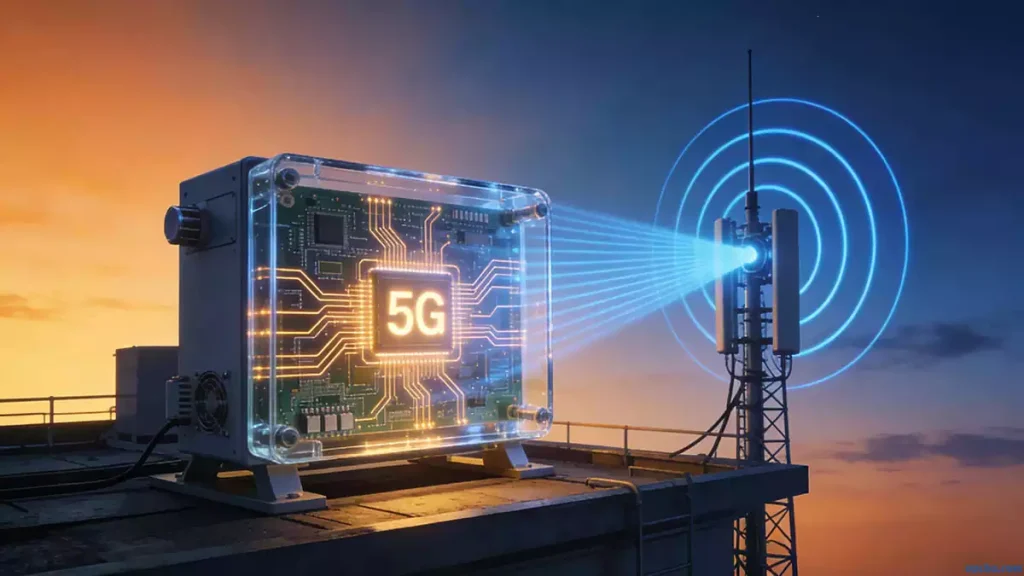
Their low dielectric loss and stable dielectric constant ensure consistent signal integrity in RF, microwave, 5G, and high-speed digital circuits, eliminating signal degradation common with traditional substrates.
2.3 Excellent Chemical Corrosion Resistance
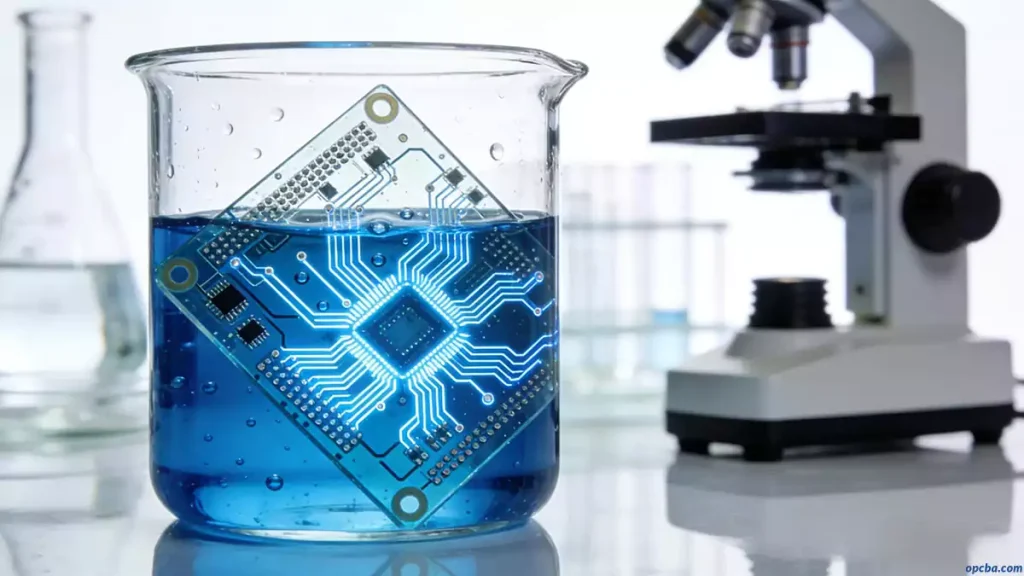
Glass substrates are inherently inert and resist harsh chemicals, solvents, and corrosive agents. This makes them suitable for laboratory equipment, industrial chemical processing systems, and marine electronic applications.
2.4 Lightweight Design
In contrast to traditional ceramic substrates, glass PCBs are significantly lighter, reducing the overall weight of the final electronic assembly. This is a critical advantage for aerospace, drone, and portable electronic devices.
3. Limitations & Disadvantages of Glass PCB
Despite their performance benefits, glass PCBs have specific limitations that restrict their use in some applications:
3.1 Higher Manufacturing Cost
The production process for glass PCBs requires specialized equipment and precision manufacturing, making them significantly more expensive than conventional FR-4 boards. This limits their adoption in cost-sensitive consumer electronics.
3.2 Complex Production Requirements
Fabricating glass PCBs demands advanced technical expertise and specialized fabrication processes, which are not widely accessible to small-scale PCB manufacturers or low-volume prototyping projects.
3.3 Inherent Material Brittleness
While mechanically rigid, glass-ceramic substrates are more brittle than flexible or FR-4 substrates. This requires extra care during handling, component assembly, and installation to avoid cracking or damage.
4. Glass PCB vs Traditional PCB Materials
The table below compares glass PCB with the two most common traditional PCB substrates, to help you identify the optimal use case for each material:
表格
| Performance Metric | Glass PCB | Standard FR-4 PCB | Traditional Ceramic PCB |
|---|---|---|---|
| Max Operating Temp | Up to 300°C | Up to 130°C (standard) | Up to 350°C |
| Dielectric Stability | Excellent (stable across frequencies) | Poor (degrades at high frequencies) | Excellent |
| Weight | Lightweight | Lightweight | Heavy |
| Cost | High | Low | High |
| Chemical Resistance | Excellent | Moderate | Excellent |
| Prototyping Accessibility | Low | Very High | Low |
5. Real-World Applications of Glass PCB
Glass PCBs are primarily used in high-performance, specialized applications where their unique properties deliver critical value, including:
- Aerospace and defense avionics systems
- Automotive high-temperature engine control units
- 5G and mmWave RF communication equipment
- Medical high-temperature sterilization devices
- Industrial high-heat control systems
- Satellite and space electronics

6. FAQ About Glass PCB
Q: What is a glass PCB?
A: A glass PCB (glass-ceramic printed circuit board) is an advanced circuit board substrate made from a glass-ceramic composite, engineered for high-temperature, high-frequency, and high-reliability electronic applications.
Q: When should I use a glass PCB instead of FR-4?
A: Choose glass PCB for designs that require high-temperature resistance, stable high-frequency signal integrity, or extreme chemical resistance — use cases where standard FR-4 cannot meet performance requirements.
Q: Is glass PCB suitable for consumer electronics?
A: Glass PCB is rarely used in mass-market consumer electronics due to its higher manufacturing cost. It is primarily reserved for industrial, aerospace, and high-performance specialized applications.
In conclusion, glass PCB represents a niche but high-value category in the printed circuit board industry. Its unique combination of thermal stability, low dielectric loss, and mechanical durability makes it an irreplaceable solution for high-performance electronic designs across multiple industries. While cost and manufacturing complexity limit its use in mainstream applications, its performance benefits far outweigh these drawbacks in specialized, high-reliability use cases. As electronic technology advances toward higher frequencies and more extreme operating environments, the demand for glass PCB and similar high-performance substrate materials is expected to grow steadily.