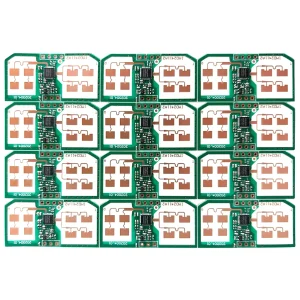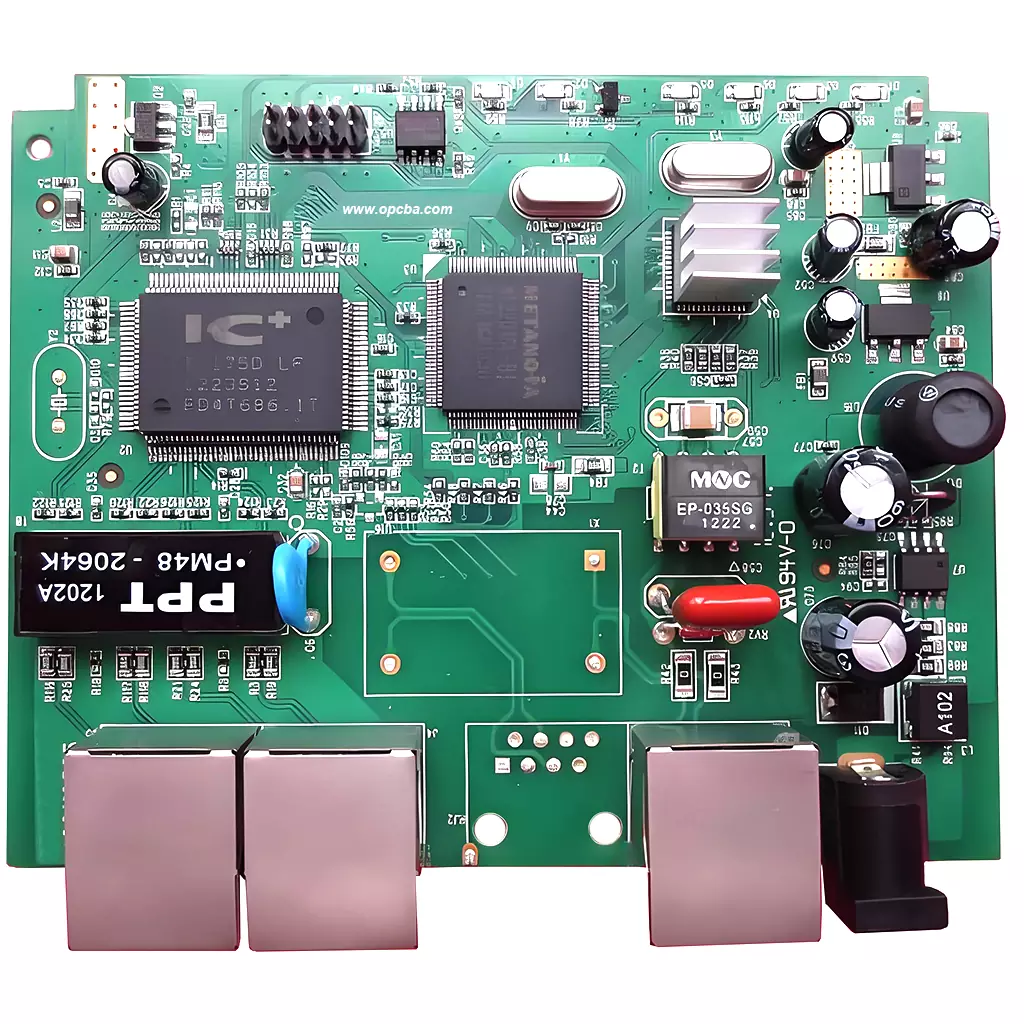
Industrial Control PCBA Overview
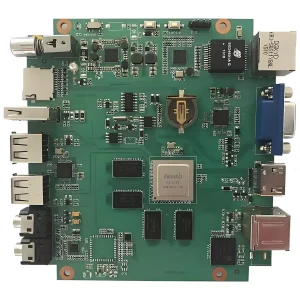
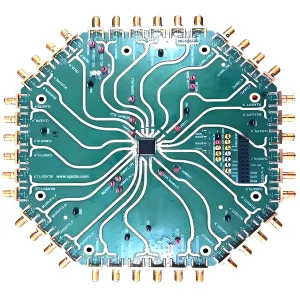
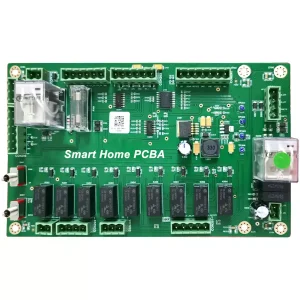
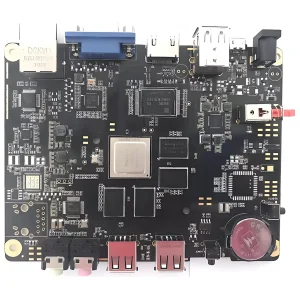
Industrial Control PCBA is a rugged industrial-grade electronic assembly built for the extreme conditions of automation systems. It acts as the core control hub for manufacturing, energy, and infrastructure equipment, delivering nonstop 24/7 performance against extreme temps, heavy vibration, and electromagnetic interference. For a deep dive into industrial control system technical demands, visit https://opcba.com/industrial-control/. This specialized assembly is the backbone of smart factories, underpinning stable and efficient Industry 4.0 operations worldwide.
Industrial Control PCBA Definition and Positioning
- Full Name and Essence: This assembly is an industrial-grade printed circuit board build, customized for controlling and regulating industrial equipment. It meets strict standards for durability, thermal stability, and anti-interference in harsh working environments.
- Difference from General PCBA: General PCBA works for mild indoor settings with intermittent use. In contrast, this industrial variant is reinforced for nonstop workloads and endures the extreme conditions common in factory and field operations.
- Core Value: It serves as the “electronic brain” of industrial automation, connecting sensors, actuators, and central controllers. It ensures real-time signal transmission and accurate command execution, preventing costly downtime and safeguarding workplace safety.
Industrial Control PCBA Key Assembly Components
- Basic Carrier: Industrial-spec PCBs (single/double/multi-layer/HDI) form the foundation, made with high-Tg FR-4 or metal-core substrates for enhanced heat dissipation and mechanical strength. For reference on high-grade PCB substrate manufacturing, visit https://opcba.com/mall/automotive-pcba/. These boards are engineered to resist warping and damage from constant industrial stress.
- Core Components: The assembly uses strictly screened industrial-grade parts, including wide-temperature microcontrollers, anti-vibration relays, and high-current resistors. All components rate for -40℃ to 85℃ operation, perfect for unforgiving industrial environments.
- Auxiliary Materials: Specialized materials match the assembly’s performance needs, such as high-temperature lead-free solder paste, acrylic conformal coatings, and custom heat sinks. These materials protect the build from dust, moisture, and long-term thermal fatigue.
Precision Production Workflow
This industrial assembly follows an automotive-grade production process with strict quality control at every stage, ensuring it meets 24/7 operation requirements:
- PCB Incoming Inspection: Engineers rigorously screen industrial PCB substrates for trace continuity, impedance accuracy, and thermal performance. They eliminate defective materials at the source to avoid assembly failures down the line.
- Component Preparation: Teams first verify the industrial-grade certification of all components and check parameter consistency. They then store sensitive parts in dry cabinets to prevent moisture damage and ensure batch stability.
- Solder Paste Printing: Technicians apply high-temperature solder paste to PCB pads with micron-level thickness control. This step lays a solid foundation for reliable soldering of the assembly’s core electronic parts.
- High-Precision SMT Assembly: Placement machines mount miniaturized industrial components with ±0.02mm accuracy. This precision is critical for achieving the compact integration needed in modern industrial control equipment.
- Controlled Reflow Soldering: A custom temperature curve melts the solder paste, protecting sensitive components from thermal shock. It also forms strong solder joints that resist vibration and long-term thermal fatigue.
- Through-Hole Welding: Specialists use wave soldering or manual insertion for high-power components that can’t use SMT. This process guarantees both mechanical stability and consistent electrical performance for power modules.
- Conformal Coating: Technicians apply a uniform protective coating to the assembly’s surface. This layer shields the build from dust, moisture, and chemical corrosion in tough industrial operating environments.
- Reliability Testing & Packaging: Inspectors run comprehensive tests on finished units, including high-low temperature cycling and vibration trials. They then package qualified assemblies in anti-static, shockproof trays for safe global shipment.
Key Industrial Application Fields
This rugged assembly is the core supporting component of modern industrial automation, with wide use across sectors that demand uncompromising reliability and continuous operation:
- Manufacturing Automation: It powers PLCs, robotic arm controllers, and conveyor system modules, enabling real-time motion control and process sequencing for smart factory production lines. Ultimately, it streamlines manufacturing workflows and boosts overall production efficiency.
- Energy Sector Control: In solar, wind, and power plant systems, it manages energy generation, distribution, and conversion. It features high-voltage resistance and thermal stability, adapting perfectly to outdoor energy facility environments.
- Infrastructure & Transportation: It’s integrated into water treatment control panels and railway signaling systems, complying with strict safety standards. Moreover, it ensures the stable, long-term operation of critical public infrastructure and transportation equipment.
- Heavy Machinery Control: For construction and mining machinery, it withstands extreme vibration and dust exposure. It controls key functions like engine operation and hydraulic systems, guaranteeing consistent on-site work efficiency for heavy equipment.
- Industrial Process Monitoring: It connects with temperature, pressure, and level sensors to enable real-time data collection and analysis. This data supports intelligent production adjustment and early fault warning, reducing unplanned downtime for factories.