Performance & Overview of Metal PCB
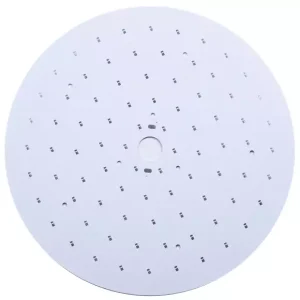
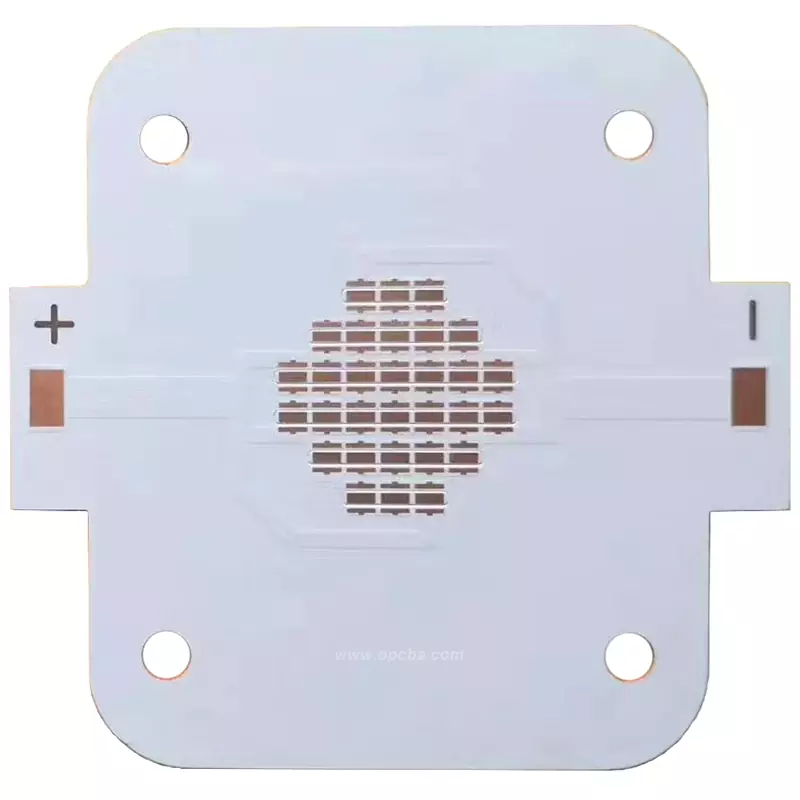
Metal PCB (Metal Base Printed Circuit Board) uses aluminum or copper sheets as its core base. It pairs a high thermal conductivity insulating layer with a copper foil circuit layer. This design smashes the heat dissipation limits of traditional FR4 PCBs. It delivers strong electrical insulation and mechanical strength. Its metal substrate’s superior thermal conductivity makes it the top heat dissipation solution for high-power, high-heat electronics.
Composition Structure of Metal PCB
Metal Substrate
We use aluminum or copper as the primary heat dissipation carrier. These metals offer outstanding thermal conductivity and mechanical strength. They form the backbone of the board and drive heat away from critical components.
Insulation Layer
This layer sits between the metal substrate and copper foil. It balances high insulation with efficient heat transfer. It keeps electrical systems safe while moving heat quickly to the metal base.
Copper Foil Circuit Layer
This layer enables circuit conduction. We customize copper thickness based on current needs. Common options are 1oz, 2oz, and 3oz for reliable power transmission.
Key Design Considerations for Metal PCB
Heat Dissipation Design
Match the metal substrate (aluminum or copper) and board thickness to device power and operating temperature. Boost heat dissipation by increasing copper thickness or adding heat dissipation holes when needed.
Insulation Layer Selection
Choose insulation materials based on thermal conductivity and voltage resistance. High-power applications demand high thermal conductivity insulation to maintain performance and safety.
Structure and Installation
Use the metal substrate as a structural component for its strength. Plan installation holes and stress distribution carefully. This prevents deformation caused by thermal expansion during operation.
Impedance and Signal Integrity
Control line width and insulation layer thickness precisely for high-frequency or high-speed signals. Tight tolerances ensure stable, clear signal transmission in complex circuits.
Material Selection for Metal PCB
Metal Substrate
- Aluminum-based: It is low-cost, lightweight, and easy to process. It works for most general heat dissipation scenarios and is the industry’s mainstream choice.
- Copper-based: It offers far better thermal conductivity than aluminum. It suits high-power devices with extreme heat needs but costs more and weighs more.
Insulation Layer Pick epoxy or ceramic-filled materials based on thermal requirements. Higher thermal conductivity in the insulation layer directly improves overall heat dissipation efficiency.
Copper Foil Select copper thickness according to circuit current. For high-current scenarios, use 2oz or thicker copper foil. This reduces temperature rise and power loss in the circuit.