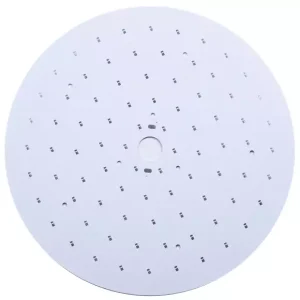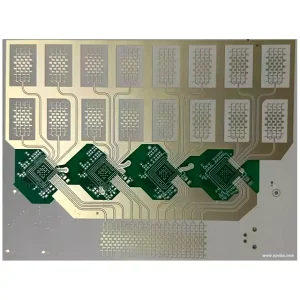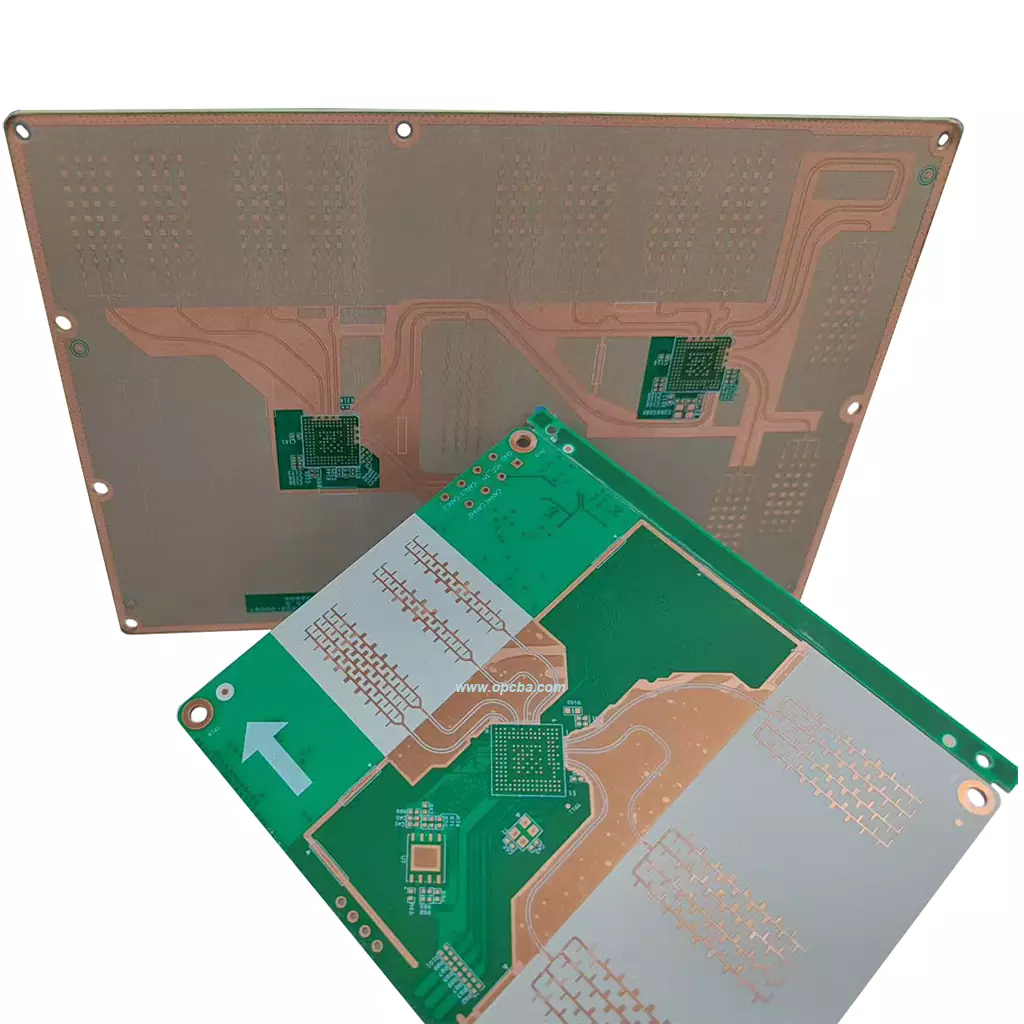
Radar PCB (Radar Printed Circuit Board) — Active Voice Technical Description
Overview of Radar PCB: Functions and Core Advantages
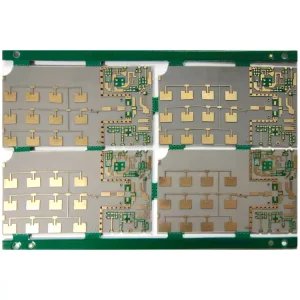
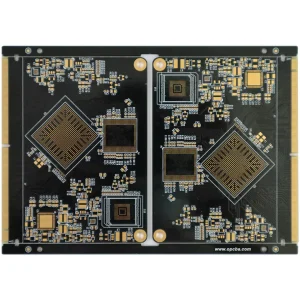
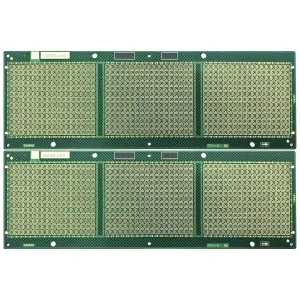
Radar PCB is specialized for radar systems. It meets their high-frequency, high-power and reliability needs. It solves key challenges: low signal loss, anti-interference, high-temperature and vibration resistance. Consequently, it stably supports radar signal transmission, reception and demodulation.
Core Components of Radar PCB: Materials and Structures Substrate Material: High-Frequency Adaptable Options
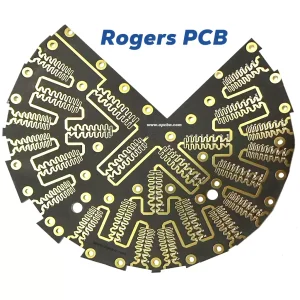
Engineers select high-frequency materials for it, like PTFE and Rogers RO4350B. PTFE suits millimeter-wave radar printed circuit boards to minimize signal loss. Modified FR‑4 balances cost and performance for medium-low frequency use.
Copper Foil Layer: Purity, Thickness and Functional Uses
Manufacturers use high-purity copper foil (≥99.9%) for it, with thickness ranging from 1oz to 6oz. Thin foil on the board reduces signal loss; thick foil enhances its power-layer carrying capacity.Circuit Wiring: Impedance Matching and Precision Requirements It uses 50Ω/75Ω impedance matching (microstrip, stripline, differential lines). Its ±0.02mm wiring precision avoids interference and ensures stability.
Solder Pads and Hole Structure: Compatibility and Miniaturization
It adopts lead-free solder pads that fit SMT/THT processes. Its blind/buried holes reduce the board’s size, improve heat dissipation and meet miniaturization needs. Paint Coating: Protection and Durability EnhancementIt provides anti-oxidation and short-circuit protection. A third anti-corrosion coating on the board enhances its durability in harsh environments.
Civilian Applications of Radar PCB:
Specific Scenarios Vehicle Radar: Autonomous Driving-Related Applications It suits 24GHz/77GHz millimeter-wave radars for autonomous driving (ACC, LDW), meeting miniaturization and reliability needs.Security Radar: Outdoor and Smart Home Uses It applies to outdoor/smart home use for human sensing and intrusion detection, with strong anti-humidity and anti-interference capabilities. Weather Radar: Civilian Weather Detection Applications It is used for civilian weather detection, suiting high-frequency transmission and having good high-temperature resistance and stability.