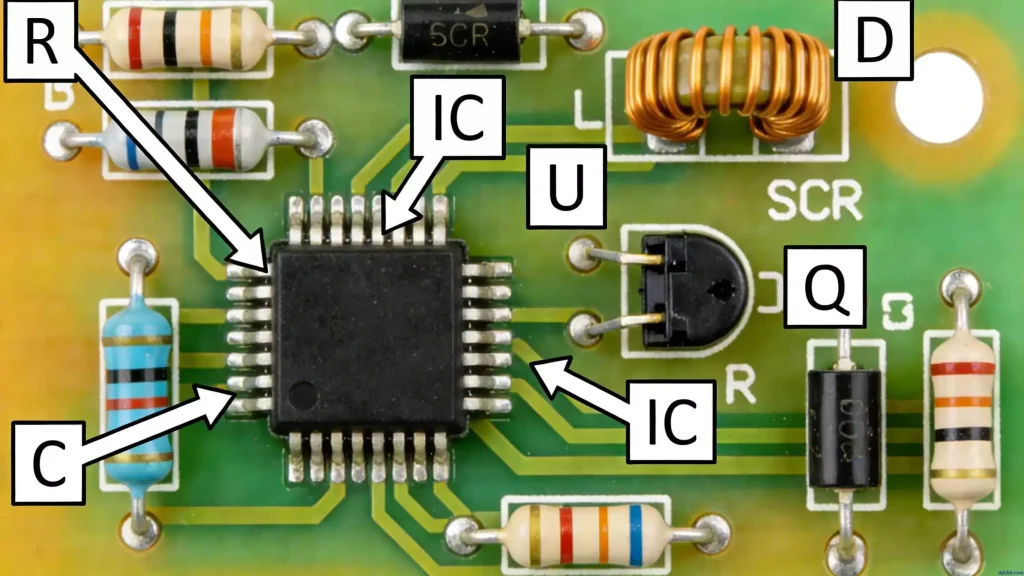
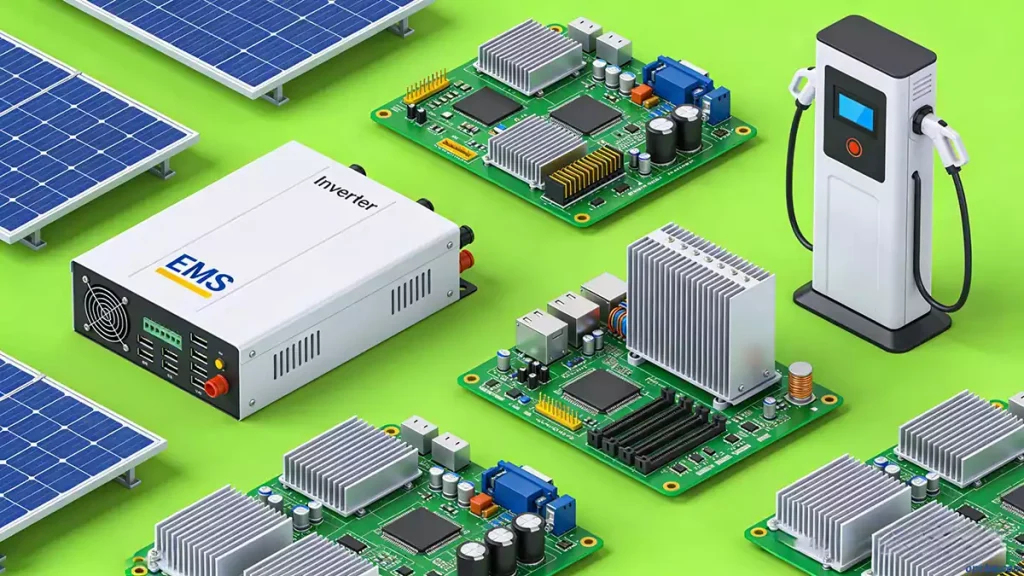
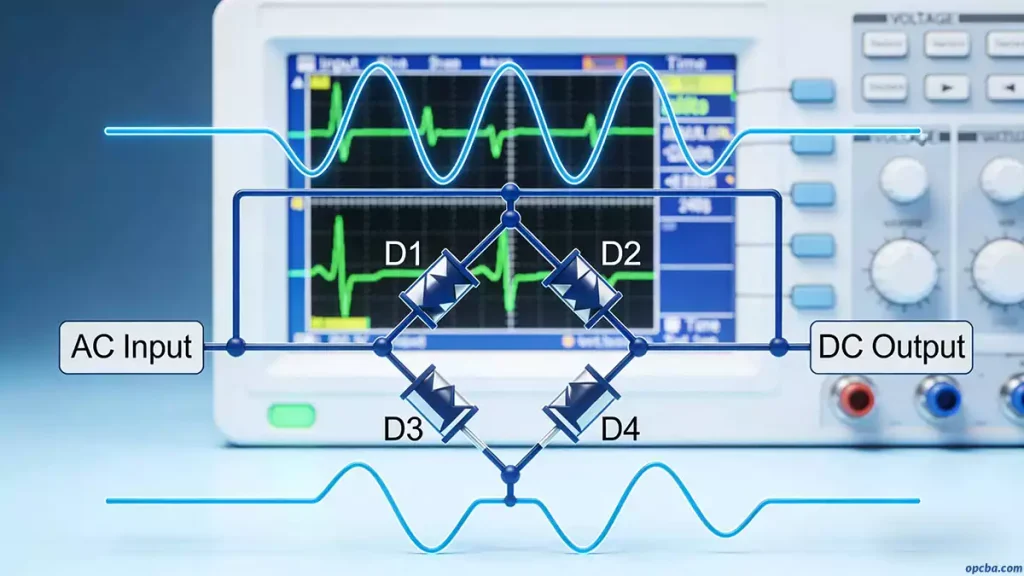
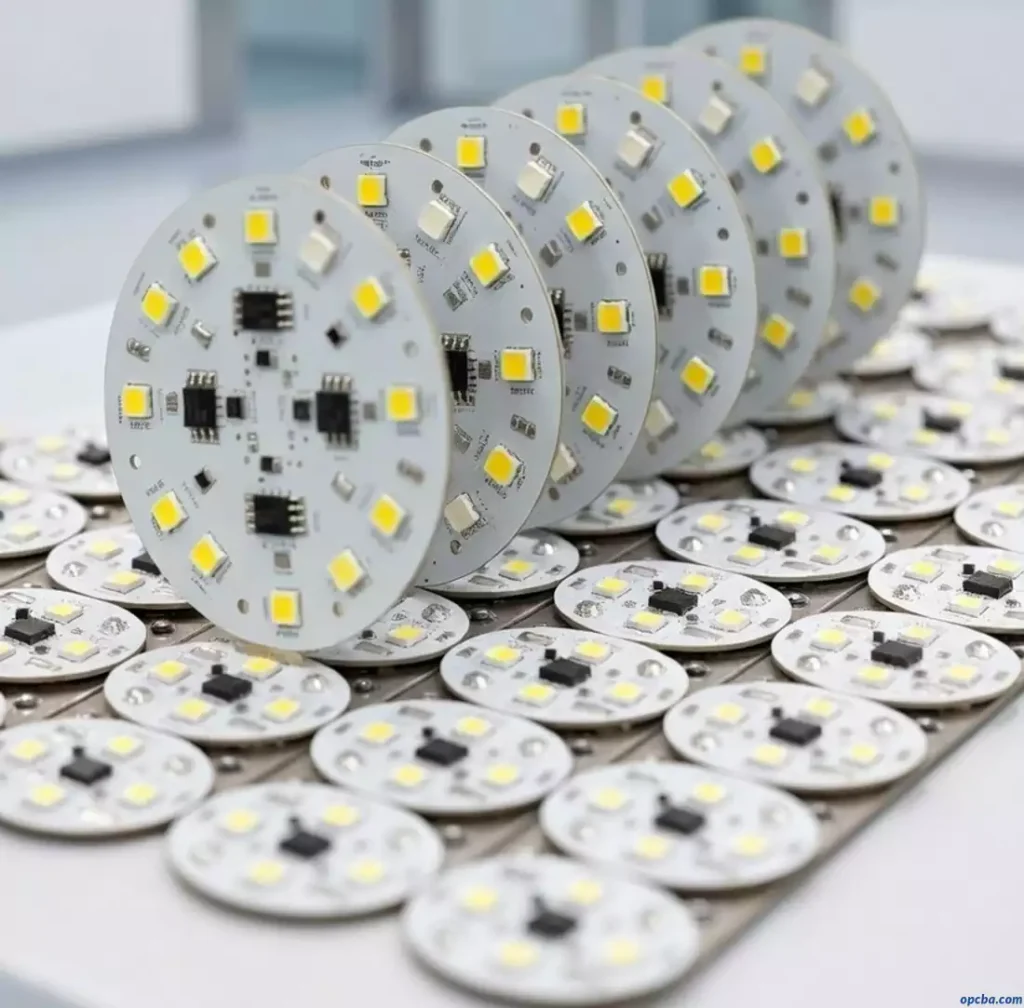
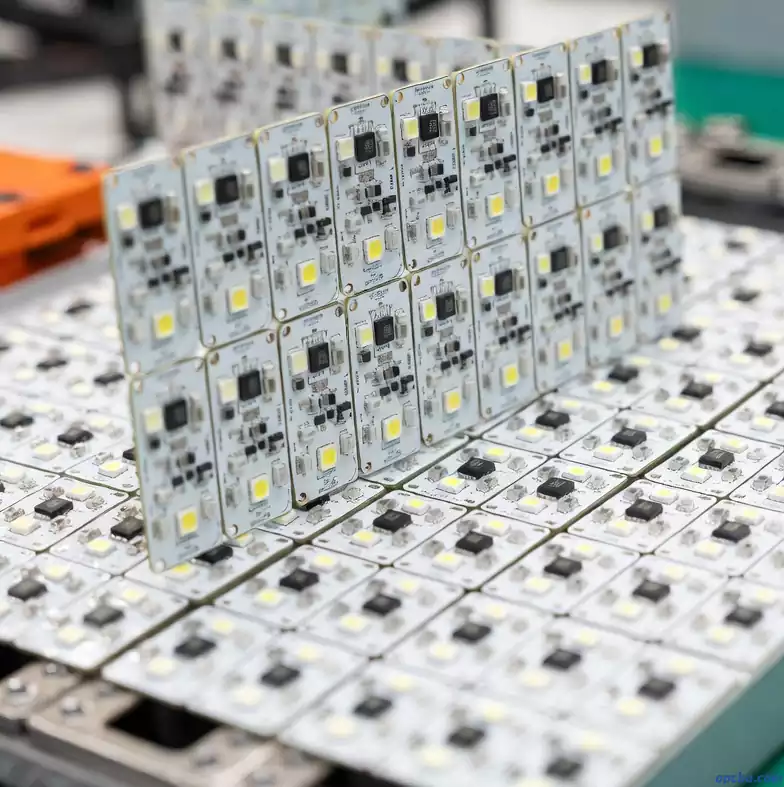
LED PCBs are everywhere these days—you just don’t notice them. Let me break it down in plain English, no jargon. An LED PCB is basically a circuit board that holds LED lights, with the components soldered directly on. If you’re curious about the best materials for these boards, we break it down in our guide to what PCB material to choose for LED lights. Flip the switch, electricity hits the LED chip, and it lights up. Oh, and LEDs get hot—even the tiny ones—so a heat sink or ceramic base acts like a cooling pad to keep things from burning out. Simple enough, right?
I used to overlook how crucial these boards are until I worked on a streetlight upgrade project. Before LED PCBs, those old sodium bulbs were dim, wasted electricity, and burned out every few months. Now? The LED versions run for years, and the difference in brightness—you can actually see every crack in the sidewalk at night. It’s one of those quiet tech upgrades that makes daily life better without you realizing it.
Where You’ll Find LED PCBs
They’re not some fancy niche tech—just reliable, hardworking boards in all the lights you use. Let’s run through where you’ll find them, no big sales pitch:
- Traffic lights & signals: Bright enough to cut through rain or fog, and they last so long cities barely need to maintain them. No more squinting at blurry red lights in a storm.
- Automotive lighting: Your car’s headlights? LED PCBs make them crisp and bright, using way less battery. Night driving feels safer—you spot things before they’re right in front of you. Funny enough, I used to hate driving at night until my car got LED headlights.
- Military & aerospace lighting: Tough as nails, works in extreme heat or cold. You can’t compromise on reliability there—LED PCBs deliver that.
- Street & tunnel lighting: Brighter, no harsh glare, and cuts electricity bills in half. Cities save money, we get safer streets. Win-win.
- Airport runway lights: Consistency is everything here. No flickering, no dimming—even in fog, they guide planes safely. Not something you want to cut corners on.
- Solar-powered lighting: Perfect for off-grid spots, like campsites or remote villages. Uses so little energy a small solar panel keeps them lit all night. No power bills, just light when you need it.
- Flashlights & lanterns: Lightweight, stays bright for hours. I keep one in my car for emergencies—never let me down, even in a snowstorm.
- Hospital operating rooms: This one still gets me. Flicker-free, shadowless light—surgeons need that precision. It’s not just a light; it’s life-or-death stuff.
- Industrial & factory lighting: Built to handle dust, heat, constant use. Old lights burned out weekly—these last years. Saves companies time and money, and workers get better light to do their jobs.
Why LED PCBs Just Make Sense
LED PCBs didn’t become the standard by accident—they just fix the little (and big) annoyances of old lighting. The energy efficiency isn’t just a buzzword; it’s lower electric bills, less waste, brighter light without the heat. I remember helping a small factory switch over—their electricity bill dropped by a third, and they stopped spending hours replacing burnt-out lights every month.
Cost-wise, yeah, they’re a little more upfront—but that fades fast. I’ve seen cities install LED streetlights and recoup the cost in a year, just from energy savings. And the design flexibility? It’s why your phone’s LED is tiny, your car’s taillight is curved, and factory lights can cover huge spaces evenly. Designers don’t have to work around the light anymore—they can shape it how they want.
Funny thing is, most people never think about the PCB behind the light. They just know the light works, it’s bright, and it doesn’t die on them. That’s the point, I guess—good tech fades into the background, making life easier without you noticing. LED PCBs do that better than most.