What Is Isola 370HR?
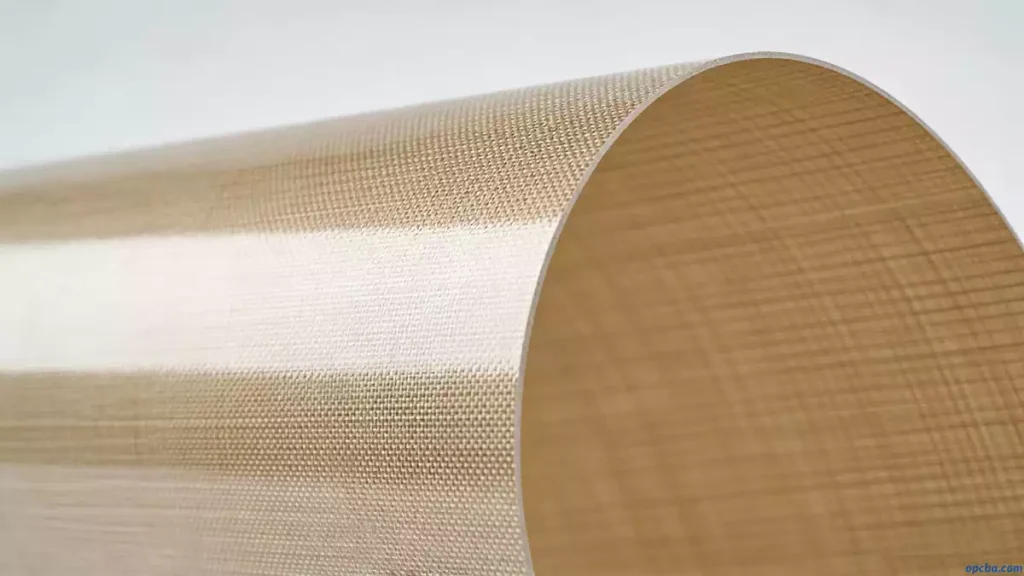
First of all, Isola 370HR is a high-performance, high-Tg FR-4 laminate and prepreg system from Isola Group. Engineers designed it specifically for multilayer printed circuit boards (PCBs). It uses a premium multifunctional epoxy resin reinforced with E-glass fabric, delivering better thermal stability and reliability than standard FR-4 materials.
For the official datasheet and download link, please log in to the Isola official website for complete details.
Key Features of This High-Tg FR-4 Material
Furthermore, this material is built for high-reliability electronics, with these core advantages:
- High glass transition temperature (Tg): 180°C
- Low coefficient of thermal expansion (CTE)
- Excellent resistance to conductive anodic filament (CAF)
- Strong mechanical, chemical and moisture resistance
- Compatibility with standard FR-4 production processes
- UL 94 flame retardant certification
Common PCB Substrate Types (For Reference)
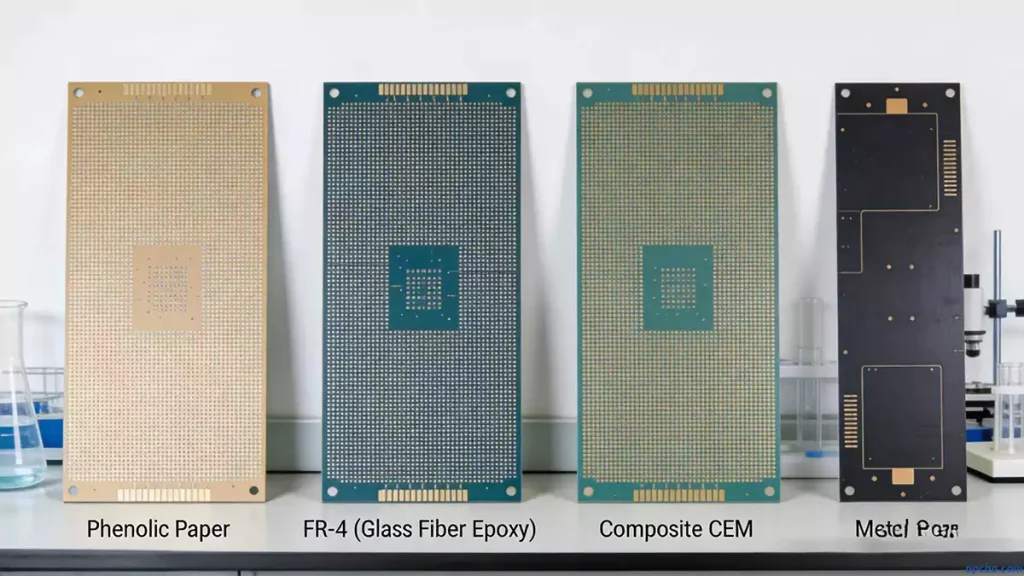
In addition, PCB substrates fall into several categories based on reinforcement materials. Below are the most widely used types:
1. Phenolic Paper Substrates
Specifically, these low-cost substrates use wood pulp paper reinforced with phenolic resin. They are non-fire-resistant (except flame-retardant grades like FR-1, FR-2, 94V0) and suitable for simple single-sided PCBs.
2. Glass Fiber Epoxy Substrates
Also called epoxy boards or FR-4, these use glass fiber cloth and epoxy resin. They have high heat resistance and stable performance, widely used in double-sided and multilayer PCBs. The material we’re discussing belongs to this high-performance glass fiber epoxy category.
3. Composite Substrates
For example, composite substrates (such as CEM-1, CEM-3) combine paper core and glass fiber surface layers. They offer balanced cost and performance for general-purpose PCBs.
4. Metal Core Substrates
Mainly aluminum-based, these substrates excel at heat dissipation and are used in high-power LED and power electronics.
PCB Structure Types
Moreover, PCBs are also grouped by layer structure:
- Single-sided PCB: One conductive layer, simple and low-cost
- Double-sided PCB: Conductive layers on both sides, connected by vias
- Multilayer PCB: Multiple inner layers for high-density, complex circuits (this material is widely used here)
Typical Applications
Additionally, this high-Tg FR-4 material is ideal for high-temperature and high-reliability fields:
- Telecommunication equipment
- Data networking devices
- Industrial control boards
- Automotive electronics
- Military and aerospace products
Why Choose This High-Performance PCB Material?
Overall, this material upgrades thermal stability and reliability while keeping FR-4’s easy processing. It solves warping and failure risks in high-temperature environments, making it a top choice for high-quality multilayer PCBs.
We provide professional PCB manufacturing using this material, with strict quality control, reliable performance and complete support for global customers.