In recent years, medical RF antennas have become core components of many modern medical devices, playing a vital role in areas such as patient health monitoring and wireless communication for implantable devices. With the growing demand for non-invasive and remote healthcare, understanding the functions and technical principles of medical antennas has become crucial for both consumers and professionals.
Medical RF antennas are radio frequency (RF) components designed specifically for medical devices, enabling wireless data transmission and reception.
These antennas operate within human-safe frequency bands, supporting remote monitoring, telemetry, and real-time data transmission for implantable devices.
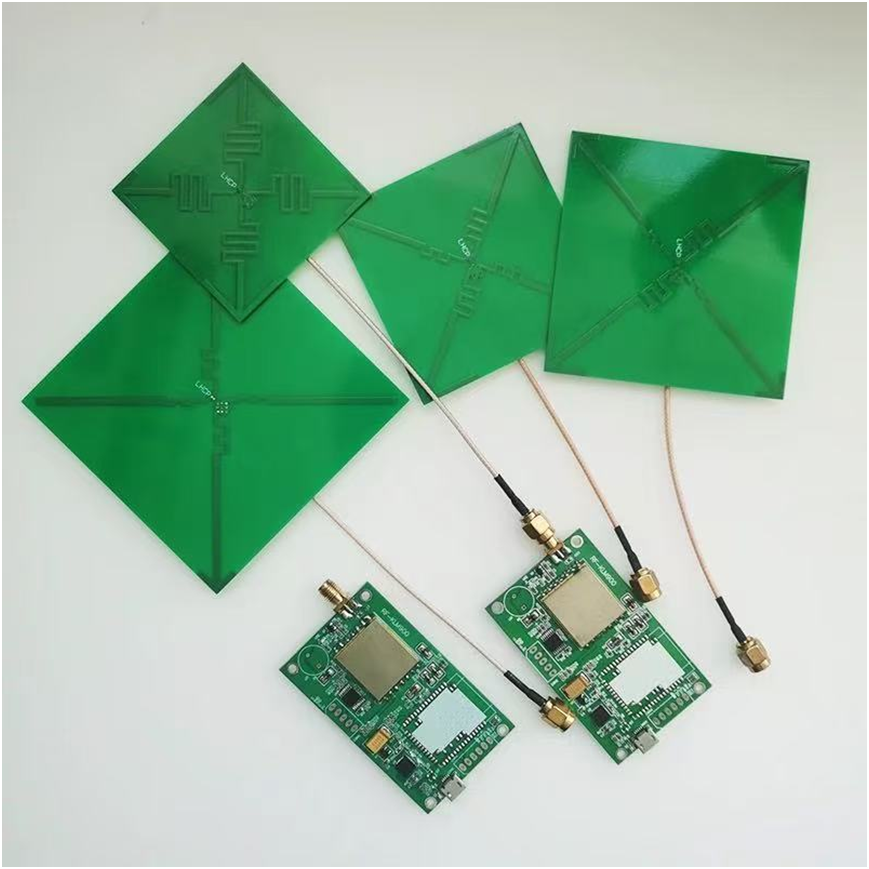
Application Scenarios for Medical RF Antennas:
Implantable Medical Devices:
RF antennas in implantable devices enable wireless transmission of vital data to healthcare providers and mobile devices.
Body Area Networks (BANs):
In wearable health devices, RF antennas facilitate communication between multiple sensors, monitoring physiological parameters such as heart rate, blood pressure, and body temperature, and transmitting this data to smartphones or healthcare systems for analysis and early warning.
Diagnosis and Imaging:
In medical imaging technologies such as MRI and microwave imaging, RF antennas are crucial for transmitting and receiving signals, generating detailed images of the body’s internal structures, providing a basis for precise diagnosis and treatment planning.
Therapeutic Devices:
RF antennas are used in therapies like radiofrequency ablation to precisely target tumors and destroy cancer cells.
Remote Patient Monitoring:
Medical RF antennas enable remote monitoring systems, allowing healthcare professionals to track patient health indicators remotely, reducing the need for in-person visits and enabling timely intervention.
Telemedicine:
RF antennas provide stable communication support for telemedicine applications, streamlining virtual consultations and follow-up procedures.
By enabling seamless wireless communication, medical antennas significantly enhance the capabilities of medical devices and systems, thereby improving patient outcomes, increasing medical efficiency, and driving the development of innovative treatments.
How Medical RF Antennas Work
Medical RF antennas are specialized devices designed for medical applications, playing a key role in implantable and wearable health monitoring devices.
Their operating principle includes the following key steps:
1. Signal Conversion:
The transmitter converts electrical signals into electromagnetic waves: A medical RF antenna connected to a transmitting device such as a pacemaker converts the generated electrical physiological data signals into electromagnetic waves for wireless transmission.
2. In-Body Transmission:
Wave Propagation Characteristics: RF antenna design must ensure that electromagnetic waves can effectively penetrate human tissue. Because human tissue absorbs or reflects electromagnetic signals, medical RF antennas must operate within specific frequency bands to optimize transmission efficiency while ensuring patient safety. Safety Considerations: RF antenna design must meet biocompatibility standards to ensure that electromagnetic waves do not interfere with bodily functions or cause adverse reactions.
3. Signal Reception:
Receiving Antenna: At the receiving end, another antenna captures the electromagnetic waves transmitted from the implant or wearable device. This receiving antenna converts the waves back into electrical signals. Data Processing: Once the signals are received, they are processed by a connected device, such as a computer or mobile app, to analyze the data for health monitoring. This data can include vital signs, diagnostic information, or other health indicators.
4. Design and Performance Factors:
RF Antenna Design: Factors such as shape, size, and material determine the antenna’s efficiency, gain, and radiation pattern. Mounting Location: The positioning of the RF antenna within or on the body significantly impacts its performance. Optimized placement can enhance signal strength and minimize tissue interference. Frequency Band Selection: Medical antennas often utilize dedicated frequency bands, such as ISM, to minimize interference from other electronic devices and improve penetration into human tissue.
Medical RF antennas, as specialized RF components, play a key role in wireless communication in medical devices. From implantable antennas for monitoring health indicators to high-frequency antennas for diagnostic imaging, their designs must meet the stringent standards of medical applications. By understanding their functional principles and key parameters such as frequency, polarization, and gain, professionals and consumers can better understand how these components are driving the evolution of modern medicine.