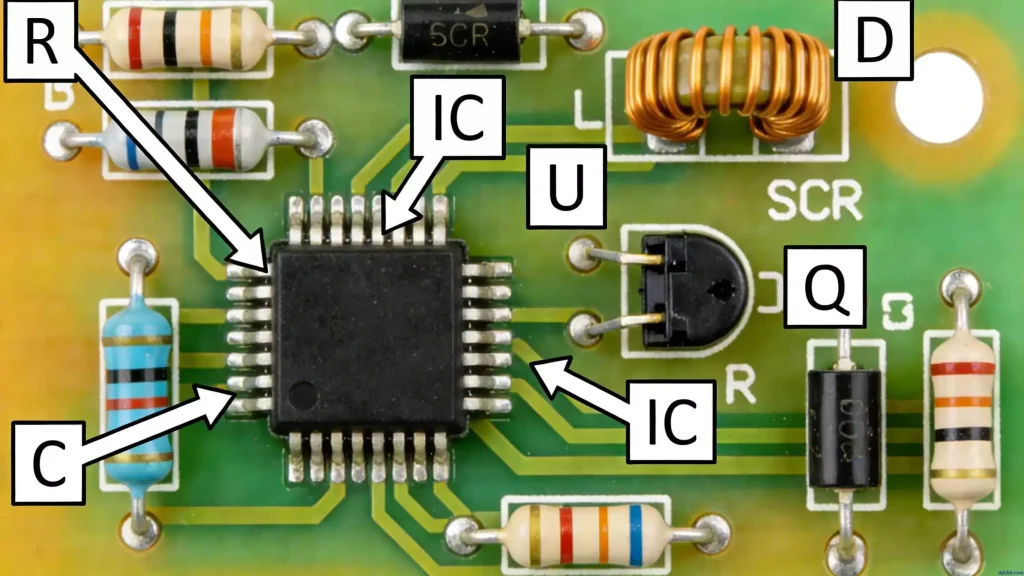
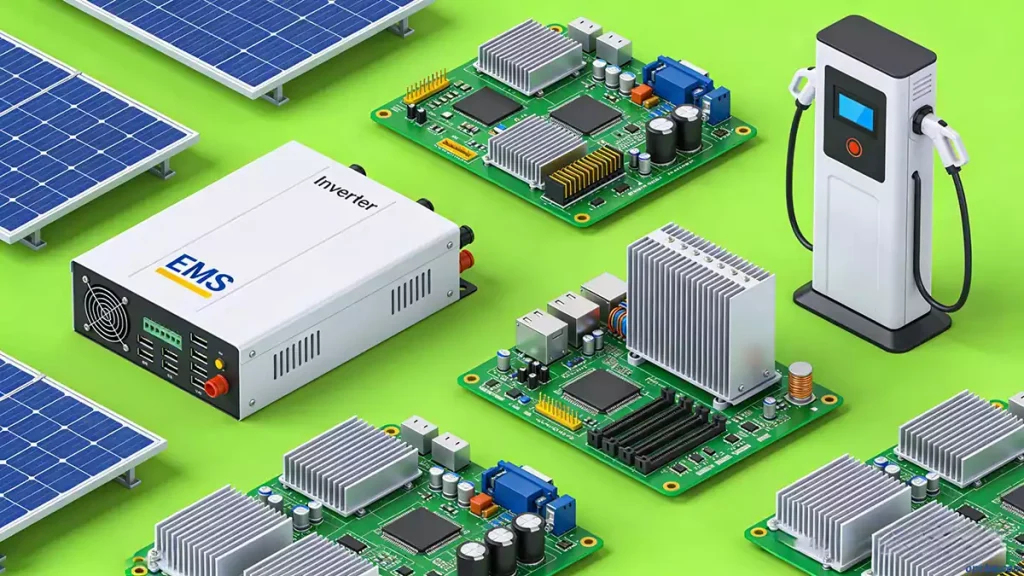
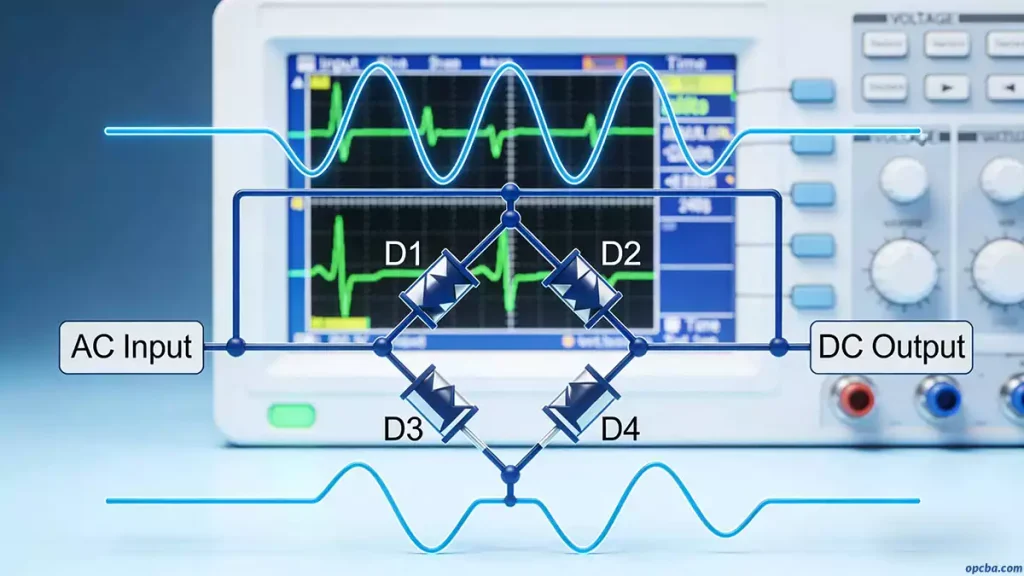
Printed Circuit Boards (PCBs, or “PCB plates”) form the backbone of nearly all modern electronic devices, supporting core components like resistors. The electronics industry uses two core standards to categorize PCBs: circuit layer count, and substrate material and rigidity. Understanding these classifications is critical. It helps engineers, designers, and procurement teams pick the optimal PCB for their design needs, budget, and end-use application.
PCB Classification by Circuit Layer Count
Layer count is the most common way to sort PCBs. It directly impacts wiring density, design complexity, and manufacturing cost. PCBs fall into three core categories by layer count: single-sided, double-sided, and multilayer PCBs.
Single-Sided PCB (Single-Layer PCB)
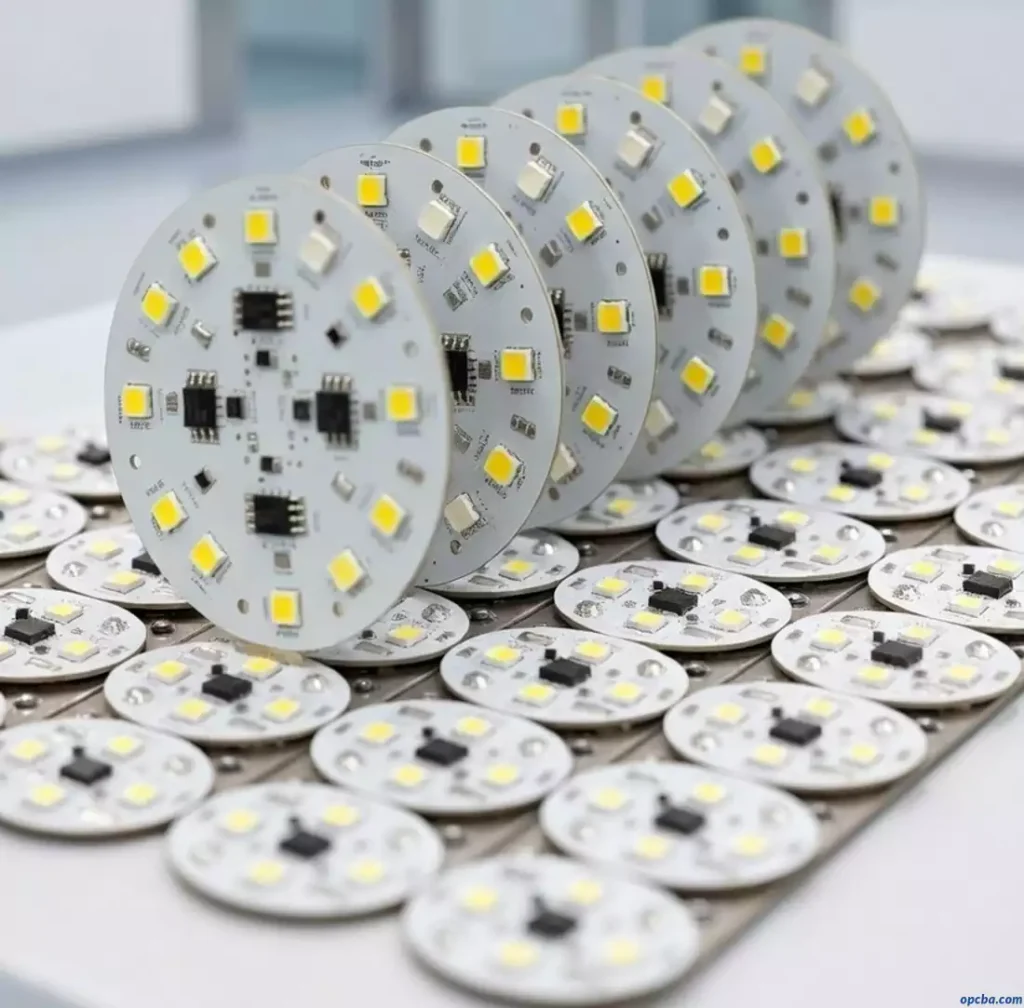
Single-sided PCBs are the most basic PCB type. All electronic components sit on one side of the substrate, and all conductive copper traces run on the opposite side. Since traces are limited to one surface, they cannot cross without jumpers. This restricts design complexity.
Even with these design limits, single-sided PCBs remain widely used. They work perfectly for low-cost, low-complexity applications, like consumer electronics peripherals, power supplies, LED lighting, and simple sensor modules.
Double-Sided PCB (Double-Layer PCB)
Double-sided PCBs have conductive copper traces on both the top and bottom of the substrate. Plated through holes (PTHs, or vias) create the electrical connection between the two sides. These small, metal-lined holes form a reliable conductive path across layers.
Double-sided boards offer twice the routing area of single-sided PCBs. Vias also let traces cross between layers, so they support far more complex circuit designs. They are the most widely used PCB type for mid-complexity projects. Common uses include industrial controls, automotive electronics, smart home devices, and audio equipment.
Multilayer PCB
Multilayer PCBs stack 3 or more copper routing layers, separated by thin insulating substrate sheets. Manufacturers laminate and cure these layers into a single rigid structure. The vast majority of multilayer PCBs use an even number of layers (4, 6, 8, or 20+ for highly complex designs). This ensures structural symmetry and prevents warping during manufacturing.
Multilayer PCBs deliver far higher wiring density and design flexibility. They support high-speed signal routing, power distribution, and electromagnetic interference (EMI) shielding. For this reason, they are essential for advanced applications. These include high-speed computing, aerospace systems, medical devices, telecom equipment, and automotive ADAS systems.
PCB Classification by Substrate Material & Rigidity
This classification defines the PCB’s core physical properties: flexibility, thermal resistance, and mechanical strength. These traits are critical for matching the board to its operating environment. The three primary categories are rigid PCB, flexible PCB (FPC), and rigid-flex PCB.
Rigid PCB
Manufacturers build rigid PCBs using stiff, non-flexible substrate materials. The most common is FR-4 glass-reinforced epoxy laminate, while paper-based phenolic substrates work for low-cost single-sided designs. Copper foil bonds to one or both sides of the substrate. The insulating core delivers structural rigidity and mechanical support for mounted components.
Rigid PCBs offer excellent dimensional stability, high mechanical strength, and cost-effective manufacturing. As a result, they are the most widely used PCB type across consumer, industrial, automotive, and telecom applications.
Flexible PCB (FPC)
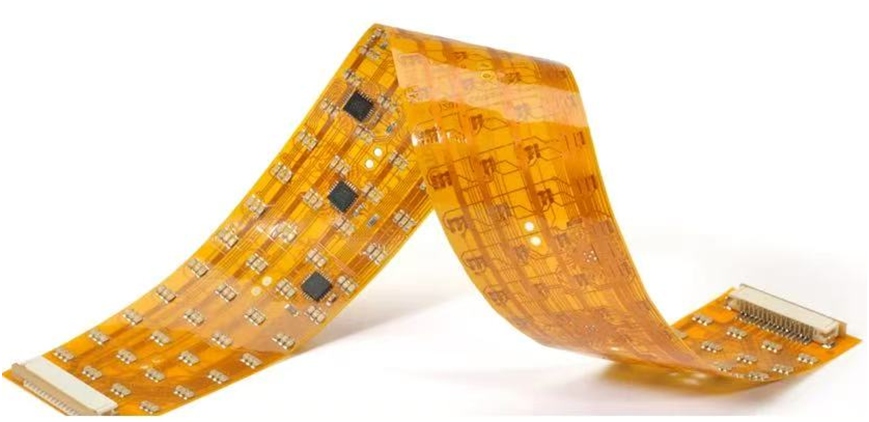
Flexible PCBs (FPCs) use thin, bendable substrate materials — typically polyimide (PI) or polyester (PET). This lets the board bend, fold, and flex during installation and throughout its service life.
FPCs eliminate the need for bulky wiring harnesses, enable 3D assembly in compact enclosures, and withstand repeated flexing for dynamic applications. They are widely used across demanding industries and products. These include aerospace, military systems, mobile devices, laptops, digital cameras, wearables, and automotive in-cabin systems.
Rigid-Flex PCB
Rigid-flex PCBs merge rigid and flexible PCB sections into one integrated assembly. Manufacturers laminate these sections together to form a hybrid structure. In short, they combine two key benefits: the mechanical support and component stability of rigid boards, plus the bending and routing flexibility of FPCs.
This hybrid design enables 3D assembly, reduces the need for connectors and wiring harnesses, and improves overall system reliability. This makes rigid-flex PCBs ideal for high-reliability applications. These include aerospace systems, medical devices, wearables, and automotive electronics where space and durability are critical.
Reliable PCB Manufacturing for Every Classification
No matter what you need — a low-cost single-sided PCB, high-density multilayer board, custom FPC, or hybrid rigid-flex solution — OPCBA delivers. We provide end-to-end, high-quality PCB manufacturing tailored to your project’s needs. For a custom quote, technical guidance, or design support, visit opcba.com to connect with our expert team today.