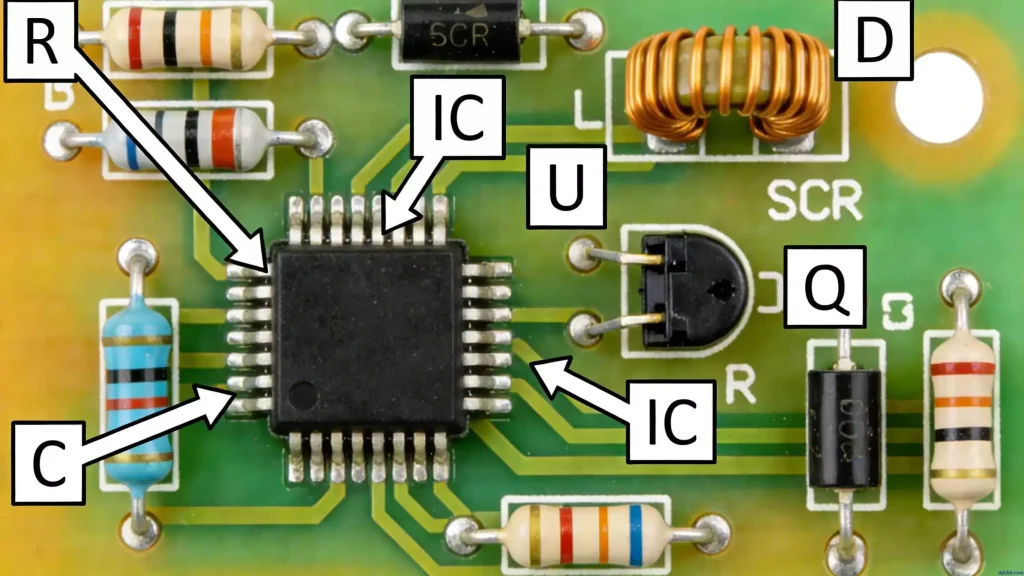
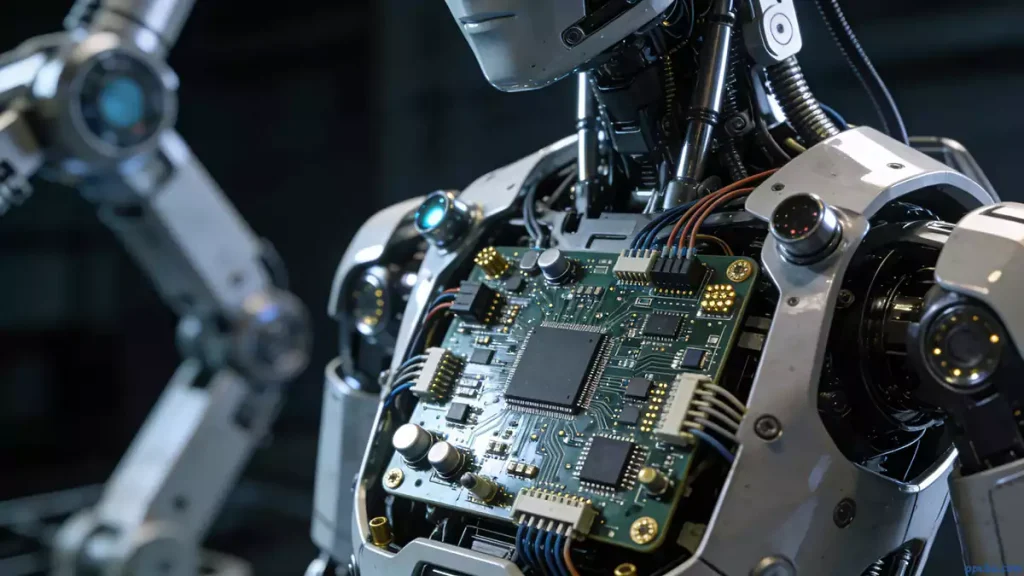
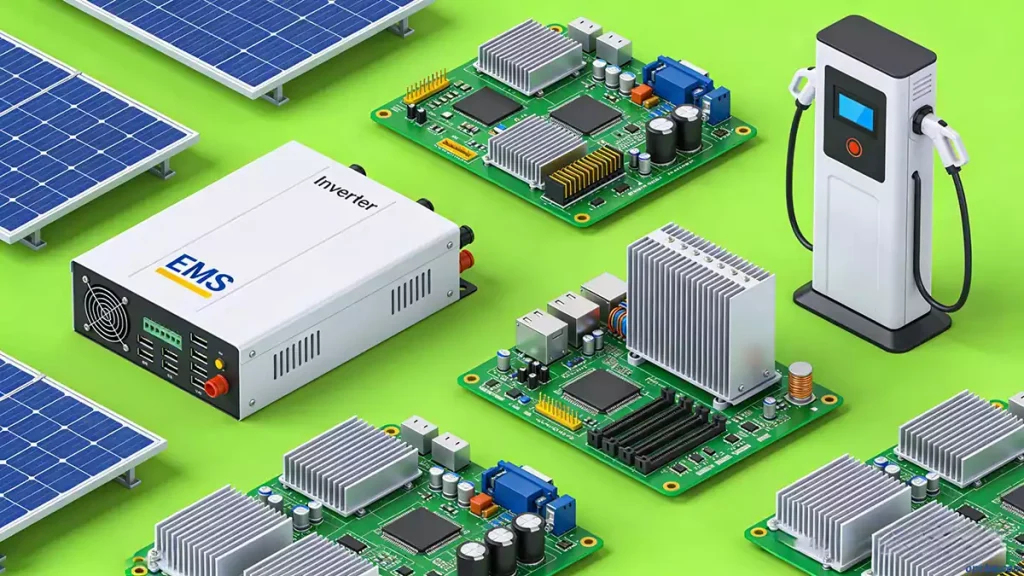
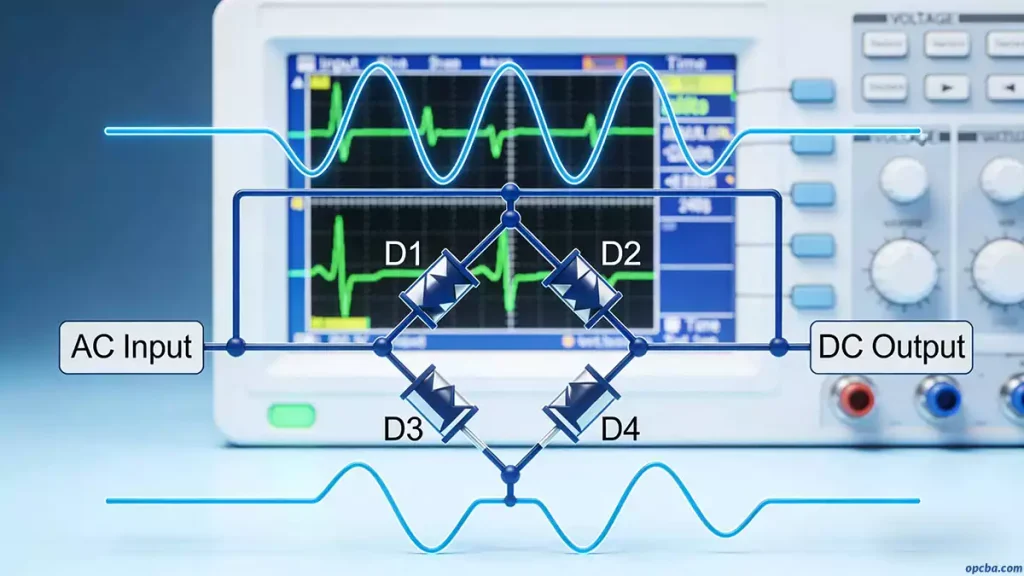
Automotive printed circuit boards (PCBs) are a specialized type of PCB designed specifically to support electronic components within vehicles. Unlike traditional standard consumer electronics, automotive PCB must be capable of functioning properly in extreme environments, such as withstanding thermal shock, severe vibration, and exposure to oil and moisture.
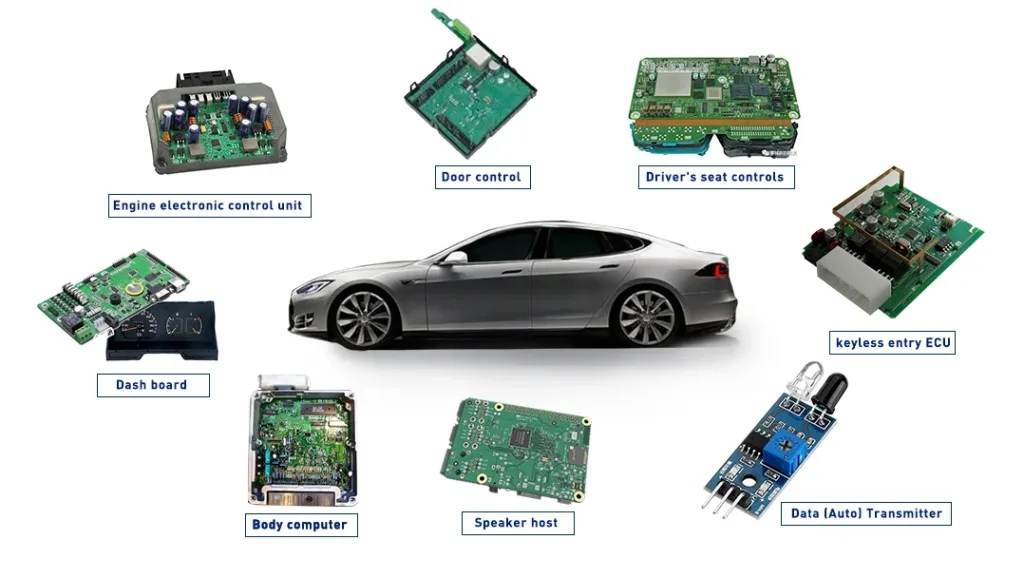
Features of Automotive PCB
Multilayer Structure
Automotive PCB applications typically require multilayer PCBs to achieve high integration of complex circuits. Multilayer designs provide more connections and functionality within limited space, meeting the growing demands of automotive electronic systems.
High-Density Component Layout
As automotive system functionality increases, high-density component layouts on PCBs have become the norm. Precision manufacturing technologies effectively support these dense layouts to ensure high circuit performance and reliability.
Environmental Adaptability
Automotive PCB must operate reliably under harsh environmental conditions, including high and low temperatures, humidity, vibration, and electromagnetic interference. Therefore, their materials and manufacturing processes must offer high durability and resistance to interference.
Differences Between Automotive PCBs and Standard PCBs
Material Selection
There are differences in material selection between automotive PCBs and standard PCBs. Standard PCBs typically use FR-4 fiberglass material, whereas automotive PCBs utilize composite materials—that is, materials pre-fabricated from two or more components. These materials not only meet the operational requirements of high-temperature and high-humidity environments but also effectively reduce noise and interference within vehicle circuits.
Process Requirements
The process requirements for automotive PCB are more stringent than those for standard PCBs. Since automotive PCBs must withstand harsh operating environments and vibration impacts, higher manufacturing standards are required. For example, automotive PCBs require more rigorous soldering and protective treatments to ensure circuit stability and reliability. Additionally, they must meet higher standards for fire resistance and corrosion resistance, particularly adhering to the automotive industry standard IATF 16949.
Environmental Adaptability
Standard PCBs are primarily used in general-purpose electronic devices with relatively low environmental requirements. In contrast, automotive PCBs must adapt to the more complex automotive operating environment, such as high temperatures, low temperatures, high humidity, and vibration. Therefore, automotive PCBs must possess excellent heat resistance, moisture resistance, and vibration resistance.
Reliability
The reliability requirements for automotive PCBs are far higher than those for standard PCBs. Since automotive PCBs play a critical role in automotive electronic systems, they must possess stronger resistance to aging, corrosion, and interference. Additionally, they must undergo rigorous reliability testing to ensure stability and reliability under various extreme conditions.
Thickness Requirements
Thickness requirements for automotive PCBs are more stringent. While standard PCBs typically range from 0.2 to 3.0 mm in thickness, automotive PCBs generally fall between 0.6 and 3.2 mm. This increased thickness is necessary because automotive electronic components operate in harsher environments, requiring PCBs to offer greater durability and stability.
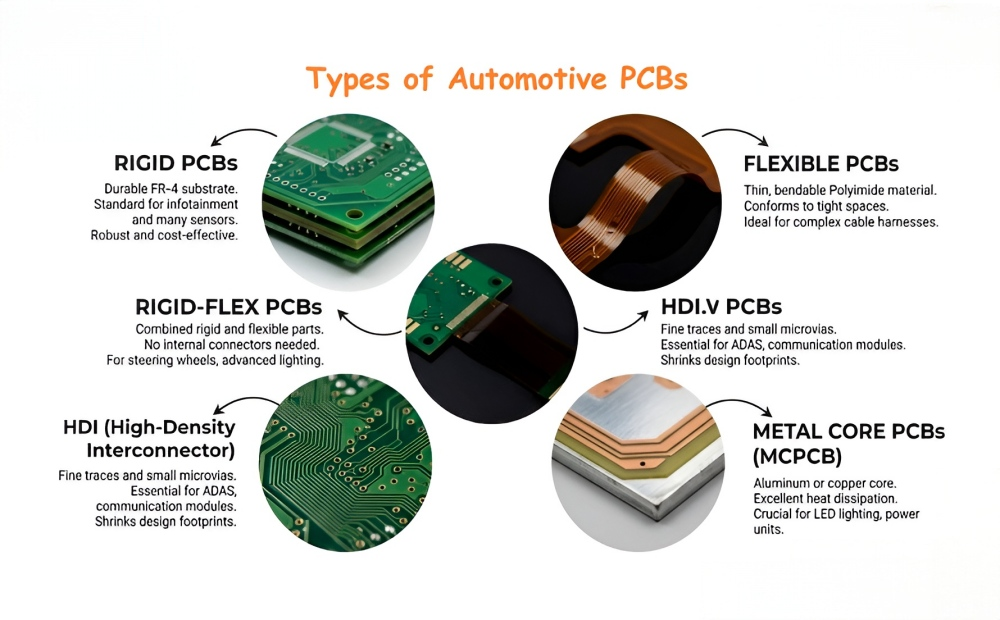
Key Elements of Precision Manufacturing Technology
High-Precision Drilling and Laser Processing
In the manufacturing of automotive PCB, drilling and laser processing are indispensable processes. High-precision drilling technology ensures accurate connections between component leads and traces, while laser processing enables smaller-diameter holes to meet ultra-fine wiring requirements, particularly in blind and buried via applications.
Multilayer Lamination Technology
The multilayer structure of automotive PCBs must be produced through efficient lamination processes. The lamination of multilayer boards requires precise alignment to ensure electrical performance and signal integrity. The use of specialized bonding and lamination techniques enhances overall integrity and mechanical strength.
HDI (High-Density Interconnect) Technology
HDI technology is widely used in automotive PCBs, enabling higher routing density and shorter signal paths. This technology is typically combined with micro-blind and buried via techniques, making it suitable for highly integrated smart automotive electronic systems and enhancing overall performance.
Surface Treatment Processes
Surface treatment processes for automotive PCBs (such as gold plating, tin plating, and OSP) are critical for improving soldering quality and electrical conductivity. Selecting appropriate treatment processes can enhance the board’s corrosion resistance and conductivity, ensuring the stable operation of electronic components.
Application Examples of Precision Manufacturing Technologies
Powertrain Control
In electric and hybrid vehicles, powertrain control electronics are becoming increasingly complex, requiring high-density PCB design and precision manufacturing to achieve efficient energy management and power output.
Infotainment Systems
Infotainment systems in smart vehicles integrate multiple functions such as navigation, audio/video players, and internet connectivity, placing high demands on PCB processing precision and signal integrity.
Autonomous Driving Technology
Autonomous driving technology relies on a large number of sensors, cameras, and computing modules, which in turn require PCBs capable of supporting high data transmission rates. Precision manufacturing technology can effectively reduce signal interference and improve sensor accuracy and response speed.

Conclusion
Automotive PCBs are the key engine driving the future of mobility. With the growing popularity of electric vehicles (EVs) and hybrid electric vehicles (HEVs), the demand for highly reliable and high-performance automotive PCBs will continue to rise. Selecting the right printed circuit board is crucial. Choosing a reputable automotive PCB manufacturer is an essential step in ensuring that projects meet the stringent safety and quality standards required for road use.