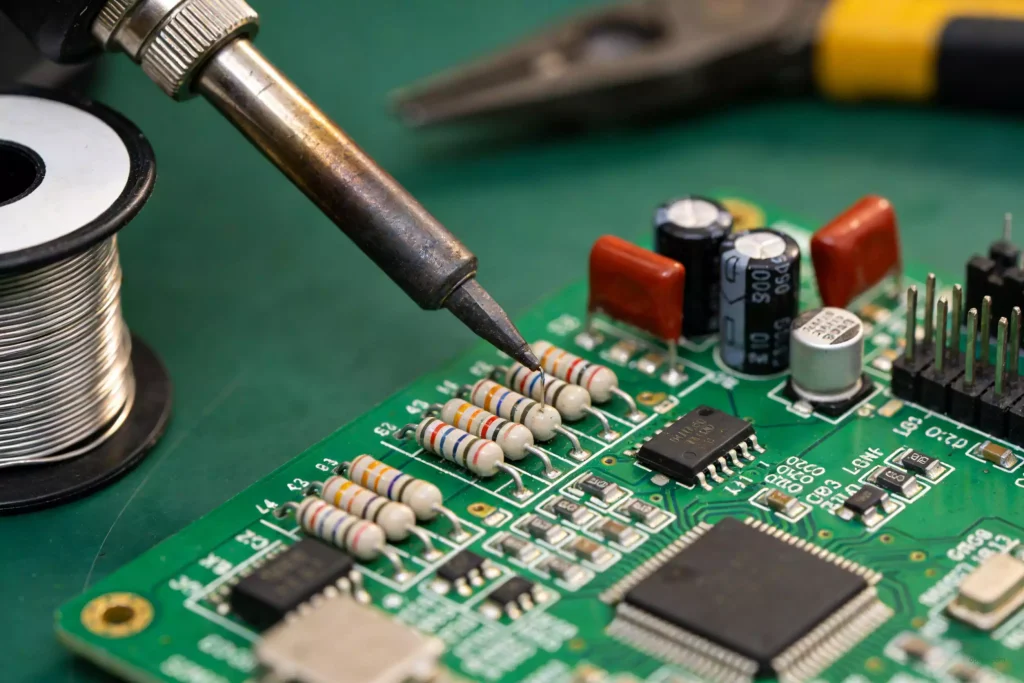
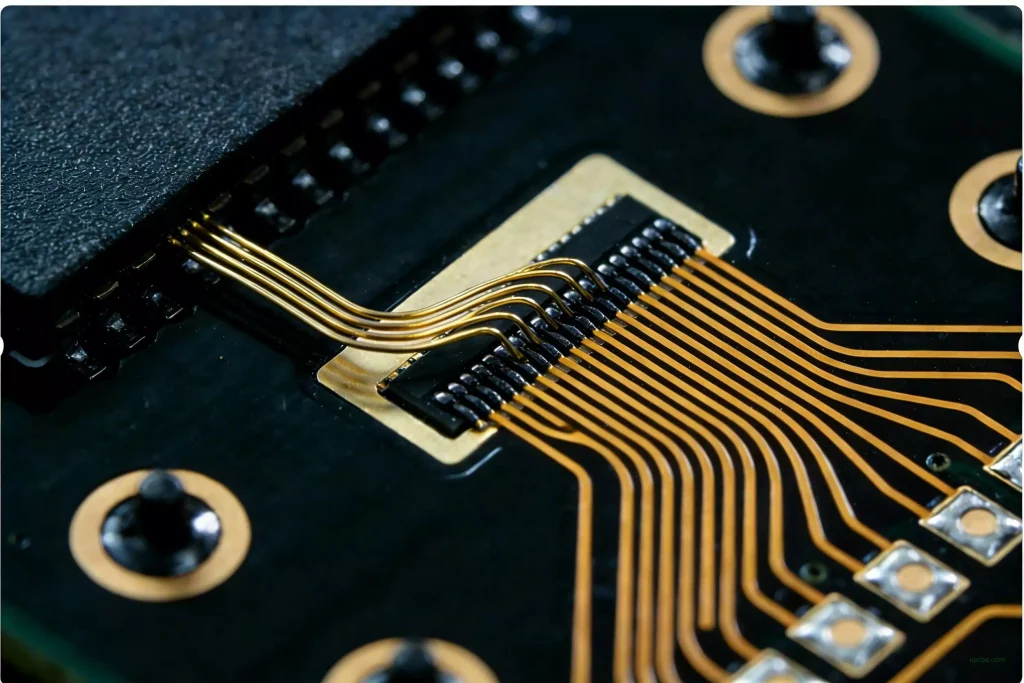
PCB baking process is an essential step in PCB manufacturing and PCBA assembly preparation. It is mainly used to remove moisture absorbed by the PCB material and release internal stress generated during manufacturing, ensuring better dimensional stability, solderability, and long-term reliability.
During storage and transportation, PCBs can absorb moisture from the environment, especially multilayer boards made with epoxy resin materials. If moisture remains inside the PCB before assembly, it may lead to quality issues during high-temperature processes such as reflow soldering.
Common problems caused by insufficient PCB baking include:
- PCB delamination
- Poor solder joints
- Pad damage
- PCB warpage
- Reduced product reliability
Therefore, following proper PCB baking requirements is important for maintaining PCB quality before PCBA processing.
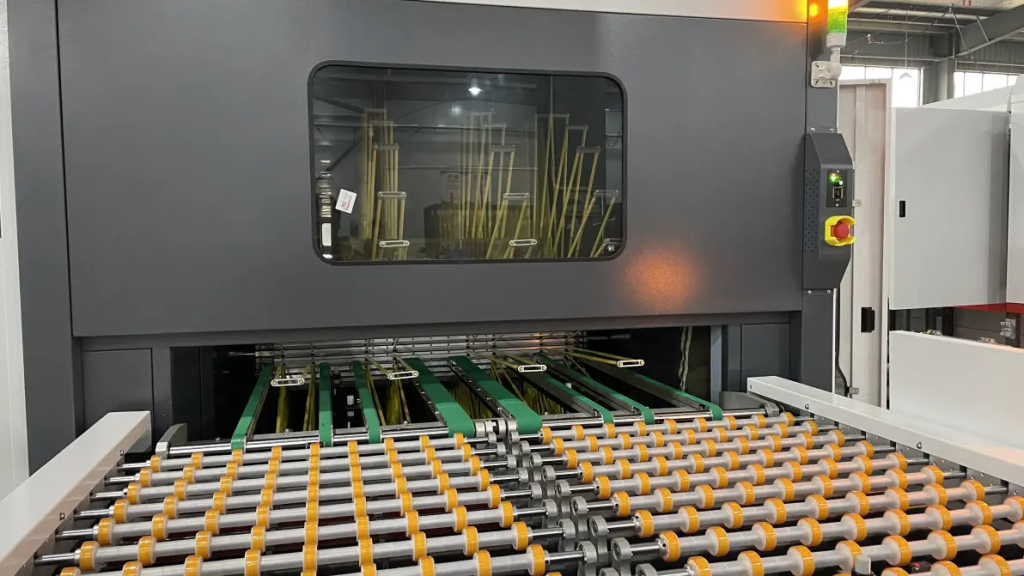
Why Does PCB Need Baking?
1. Removing Internal Stress
During PCB manufacturing, copper foil is laminated with insulating materials under high temperature and pressure. The curing and cooling processes may create internal mechanical stress inside the PCB.
Proper PCB baking helps release these stresses, improving dimensional stability and reducing deformation during:
- Drilling
- PCB assembly
- Reflow soldering
- Final product operation
Stable PCB dimensions are especially important for multilayer boards, HDI boards, and high-density electronic products.
2. Removing Moisture From PCB Materials
Moisture absorption is one of the main concerns during PCB storage.
PCB materials such as FR-4 contain resin systems that can absorb moisture from the environment. Excess moisture may expand rapidly during high-temperature soldering processes, causing:
- Delamination
- Layer separation
- Cracking
- “Popcorn effect” during reflow
The main purpose of PCB baking is to remove this hidden moisture before PCBA assembly.
3. Improving PCB Solderability
Before SMT assembly, PCB baking helps remove moisture from:
- Copper pads
- Surface finishes
- Board materials
This improves soldering performance and reduces defects such as:
- Cold solder joints
- Poor solder wetting
- Rework issues
Temperature and Time Requirements
PCB baking conditions mainly depend on:
- PCB storage time
- Packaging condition
- Storage environment
- Surface finish type
The following baking guidelines are commonly used in PCB manufacturing.
| PCB Storage Time | Recommended Baking Condition |
|---|---|
| Within 2 months after manufacturing | 120±5℃ for 1 hour |
| 2–6 months storage | 120±5℃ for 2 hours |
| 6–12 months storage | 120±5℃ for 4 hours |
| More than 12 months storage | 120±5℃ for 6 hours (if necessary) |
1. Storage Within 2 Months
For PCBs manufactured within 2 months and properly vacuum sealed:
If the package has been opened and stored under controlled conditions:
- Temperature: ≤30℃
- Relative humidity: ≤60%RH
- According to IPC-1601 storage recommendations
If exposed for more than 5 days, baking is recommended:
Baking condition:
- Temperature: 120±5℃
- Time: 1 hour
2. Storage Between 2–6 Months
For PCBs stored for 2–6 months after manufacturing:
Recommended baking:
- Temperature: 120±5℃
- Time: 2 hours
3. Storage Between 6–12 Months
For PCBs stored for 6–12 months:
Recommended baking:
- Temperature: 120±5℃
- Time: 4 hours
4. Storage Longer Than 12 Months
PCBs stored for more than 12 months are generally not recommended for direct production use.
Long-term storage may cause:
- Aging of multilayer bonding materials
- Reduced interlayer adhesion
- Surface finish degradation
- Increased risk of soldering problems
If old PCBs must be used, the following steps are recommended:
- Bake the PCB:
- Temperature: 120±5℃
- Time: 6 hours
- Perform trial assembly with sample boards.
- Confirm solderability before mass production.
Effect of Long-Term Storage on PCB Surface Finish
PCB surface treatment performance may gradually decrease over time.
For example, the typical storage life of ENIG (Electroless Nickel Immersion Gold) PCBs is around 12 months.
After excessive storage:
- Gold thickness may decrease
- Nickel diffusion may occur
- Oxidation risk may increase
- Solderability may be affected
Therefore, PCB shelf life should always be considered before production.
PCB Usage After Baking
After completing the PCB baking process:
- PCBs should ideally be used within 5 days.
- Unused PCBs should be resealed in moisture-proof packaging.
- If exposed to workshop humidity for an extended period, additional baking may be required.
Recommended re-baking condition:
- Temperature: 120±5℃
- Time: 1 hour
Stacking Methods
Correct stacking is important because improper placement may cause PCB deformation.
Method
For large-size PCBs:
Recommended method:
- Use horizontal stacking
- Maximum 30 boards per stack
After baking:
- Open the oven within 10 minutes.
- Remove PCBs carefully.
- Place boards flat for cooling.
- Use anti-warping fixtures if necessary.
Vertical baking is not recommended for large PCBs because it may increase the risk of bending.
Small and Medium PCB Baking Method
For small and medium-sized PCBs:
Two methods can be used:
Horizontal stacking
- Maximum 40 boards per stack
Vertical placement
- No strict quantity limitation
After baking:
- Remove boards within 10 minutes.
- Place them flat for cooling.
- Apply anti-bending protection if required.
Important Precautions
1. Do Not Exceed PCB Tg Temperature
The baking temperature should not exceed the PCB glass transition temperature (Tg).
Generally:
- Baking temperature should not exceed 125℃
- Most modern lead-free PCBs have Tg above 150℃
Excessive temperature may affect resin properties and PCB reliability.
2. Use Baked PCBs as Soon as Possible
After baking:
- Use PCBs immediately whenever possible.
- Reseal unused boards in vacuum packaging.
- Re-bake if boards remain exposed to humidity for a long period.
3. Ensure Proper Oven Exhaust
During PCB baking, moisture is released as vapor.
Without proper exhaust:
- Water vapor remains inside the oven.
- Relative humidity increases.
- Moisture removal efficiency decreases.
Therefore, PCB baking ovens should include proper ventilation and drying systems.
Recommended PCB Baking Practices
1. Recommended Baking Temperature: 105±5℃
Although 120℃ baking is widely used in the industry, some manufacturers recommend a lower temperature:
105±5℃
Reasons:
- Water vaporizes at approximately 100℃
- PCB moisture content is relatively limited
- Lower temperature reduces oxidation risks
This temperature provides effective moisture removal while minimizing potential damage.
2. Check Moisture Indicator Before Baking
Not every PCB requires baking.
Before production, check the:
HIC (Humidity Indicator Card)
inside the vacuum packaging.
If:
- Packaging remains intact
- HIC shows no moisture exposure
The PCB may be used directly without additional baking.
3. Consider PCB Placement During Baking
Vertical placement improves:
- Hot air circulation
- Moisture removal efficiency
However, large PCBs should be carefully evaluated because vertical baking may increase deformation risks.
Potential Risks of Excessive PCB Baking
Although PCB baking improves reliability, excessive baking may create additional risks.
1. Surface Oxidation
Higher temperatures and longer baking times may accelerate:
- Copper oxidation
- Surface finish degradation
2. Avoid High Temperature Baking for OSP PCBs
OSP-coated PCBs are sensitive to high temperatures.
Excessive baking may damage the OSP protective layer.
If baking is necessary:
Recommended:
- Temperature: 105±5℃
- Time: Less than 2 hours
After baking, the PCB should ideally be assembled within 24 hours.
3. Effect on IMC Layer Formation
For surface finishes such as:
- HASL
- Immersion Tin (ImSn)
PCB baking may influence the growth of the IMC (Intermetallic Compound) layer.
The IMC layer begins forming during PCB manufacturing before soldering. Excessive baking may increase IMC thickness, which could affect long-term solder joint reliability.
Conclusion
The PCB baking process plays an important role in ensuring PCB quality before PCBA assembly. Proper baking removes moisture, releases internal stress, improves solderability, and reduces manufacturing risks.
However, PCB baking should always be performed according to:
- PCB storage conditions
- Material characteristics
- Surface finish requirements
- Assembly process requirements
By following proper PCB baking requirements, temperature guidelines, and best practices, manufacturers can improve production stability and ensure higher reliability of electronic products.