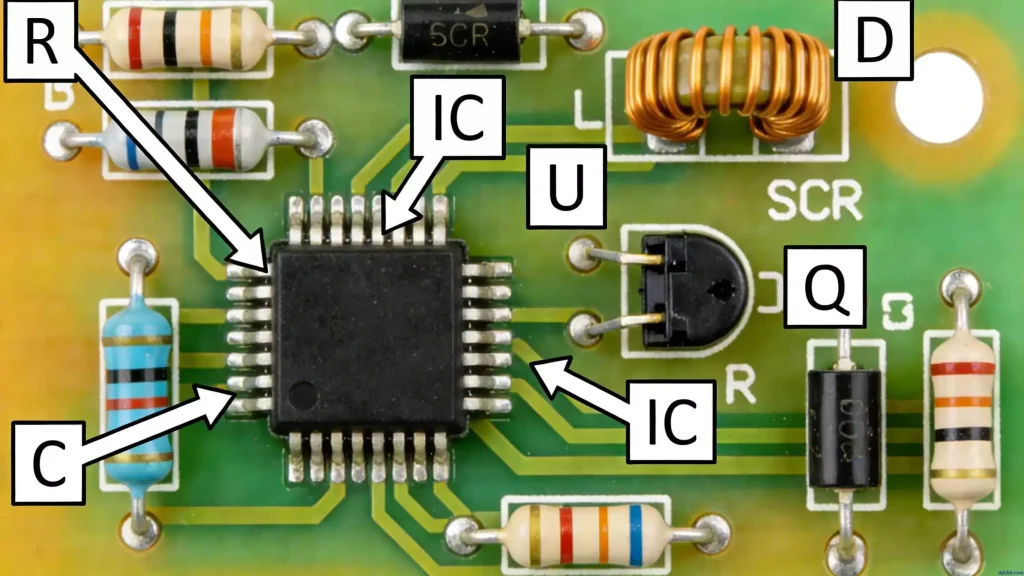
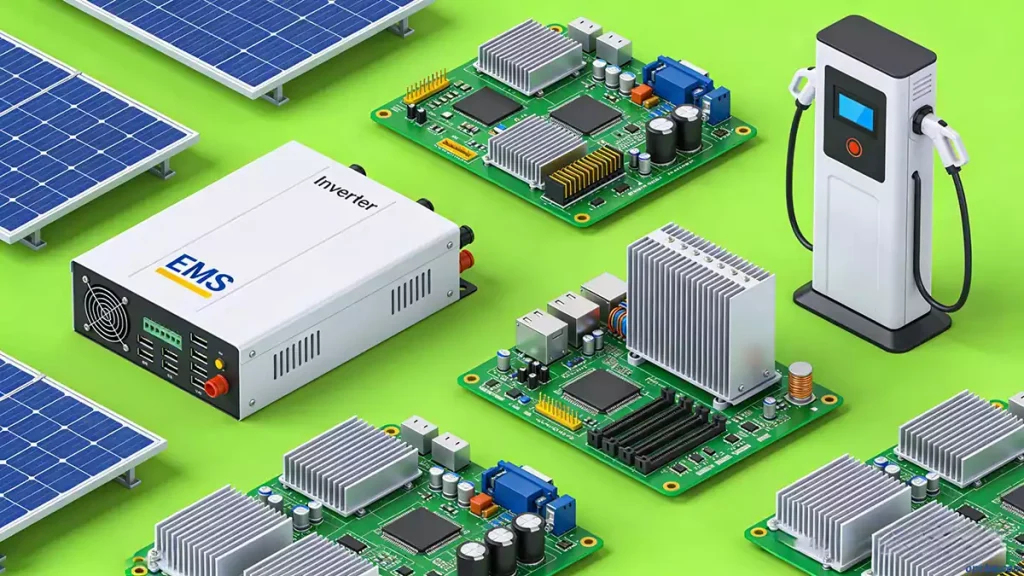
CCL, short for Copper Clad Laminate, is the foundational upstream material for all Printed Circuit Board(PCB) production. It forms the physical and electrical base of every PCB, composed of three essential components: a substrate, copper foil, and adhesive. This core material fulfills four critical roles for PCBs: enabling electrical interconnection and signal conduction, providing electrical insulation between circuits, and offering mechanical support for mounted electronic components.
The quality of this copper clad laminate directly dictates key electrical performance metrics of PCBs, including signal transmission speed, energy loss during transmission, and characteristic impedance. It also serves as a primary factor in determining PCB manufacturing yield, processability, production costs, and the long-term reliability and stability of electronic devices in real-world use.
CCL Manufacturing Process
To start with, the production of copper clad laminate follows a standardized, industry-proven workflow that manufacturers worldwide adhere to:
- We fully impregnate reinforcing materials (fiberglass cloth, fiberglass mat, or paper) with thermosetting adhesives like epoxy resin or phenolic resin.
- We dry the impregnated materials at a controlled temperature to reach the B-stage—a semi-cured state—forming prepregs (pre-impregnated materials).
- We stack prepregs with copper foil in accordance with design requirements, then place the assembly in a laminating machine. We apply heat and pressure to bond the layers into a solid, uniform copper clad laminate.
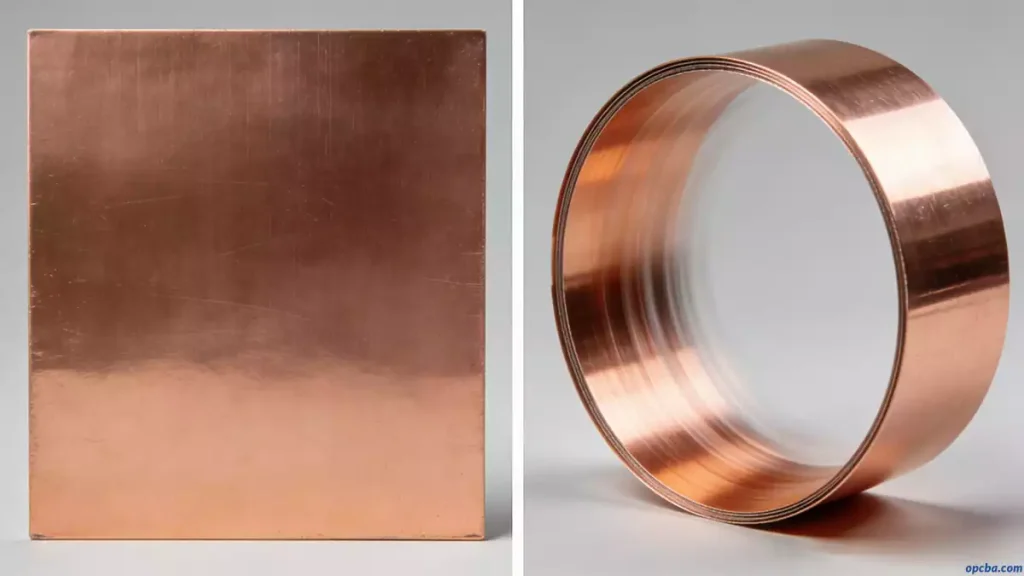
Classification of Copper Clad Laminates
On top of that, copper clad laminates fall into distinct categories based on three core criteria, and each category ties directly to specific performance and application needs.
By Reinforcing Material
This variation directly impacts the mechanical strength and thermal stability of the core material:
- Glass cloth-based copper clad laminate: Uses fiberglass cloth or felt; ideal for high-performance, high-temperature PCB applications.
- Paper-based copper clad laminate: Uses wood pulp paper, bleached pulp, or absorbent cotton paper; a cost-effective choice for general-purpose electronics.
By Adhesive Type
The resin adhesive selected defines the electrical and chemical resistance of the laminate:
- Phenolic-type laminate
- Epoxy-type laminate (the most widely used in mainstream PCB manufacturing)
- Polyester-type laminate
- Polyimide-type laminate (for extreme high-temperature environments)
- Polytetrafluoroethylene (PTFE) laminate (for high-frequency, low-loss RF PCBs)
By Substrate Performance & Application
Additionally, we further classify the material by functional characteristics to match niche use cases:
- Flame resistance: General-purpose copper clad laminate (non-flame retardant) and self-extinguishing copper clad laminate (flame retardant, mandatory for most consumer electronics).
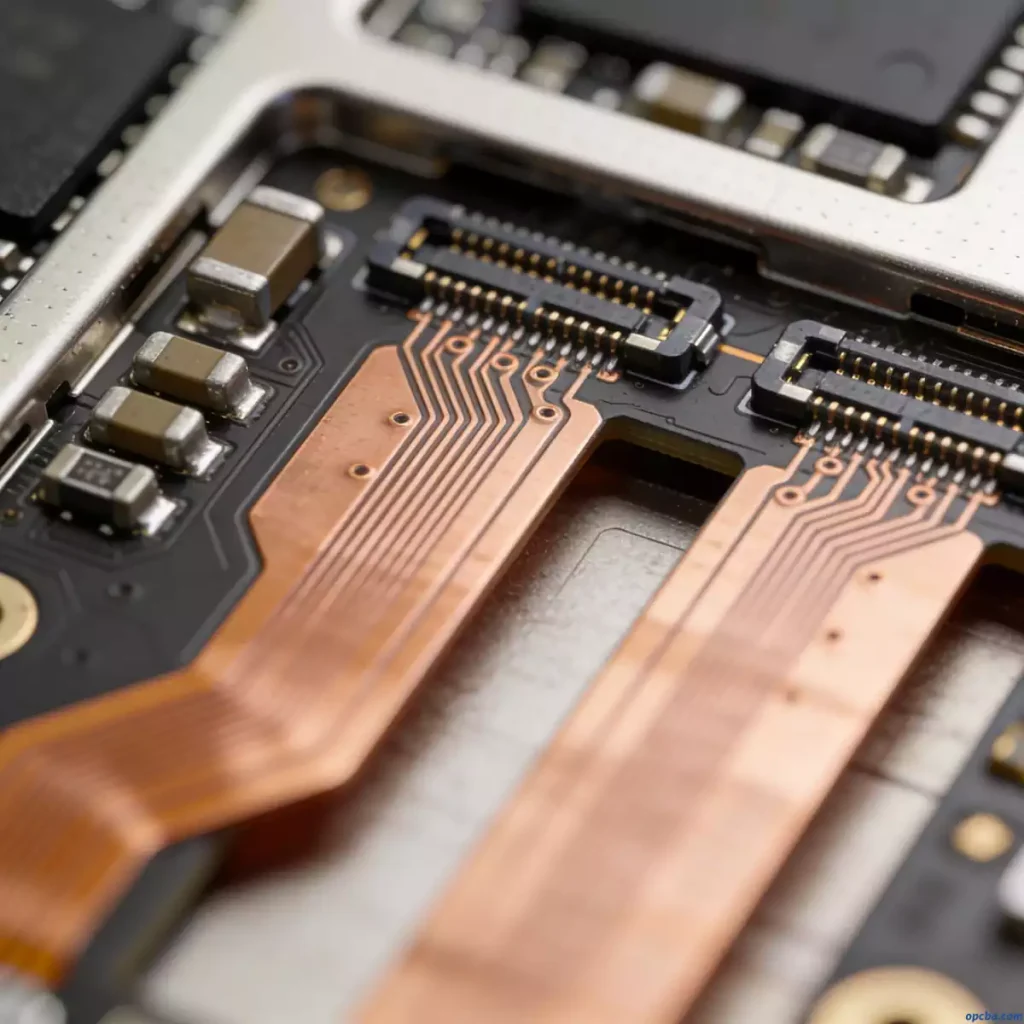
- Flexibility: Rigid copper clad laminate (standard for most PCBs) and flexible copper clad laminate (for bendable, wearable electronic devices).
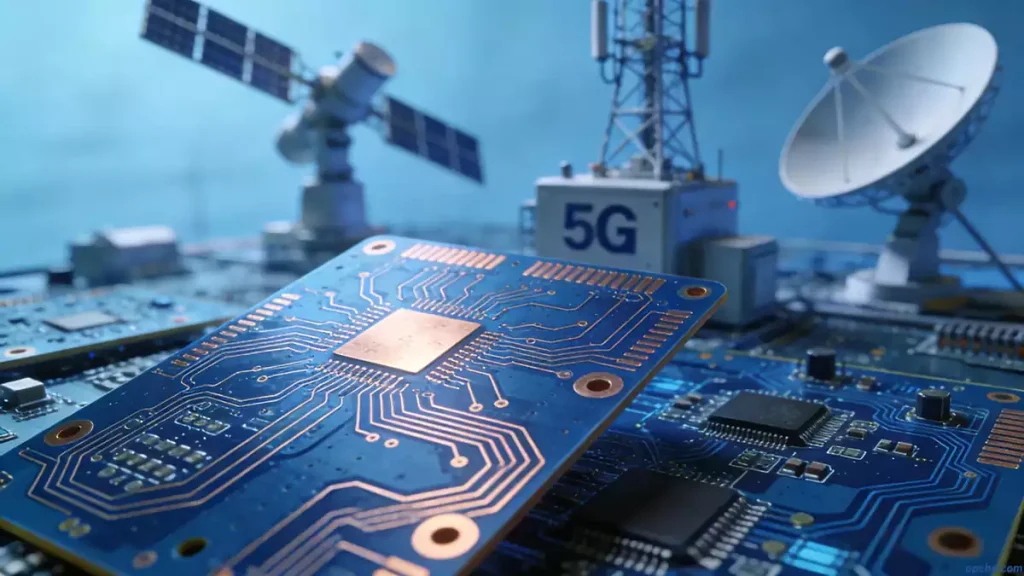
- Specialized performance: Heat-resistant, radiation-resistant, and high-frequency copper clad laminate (tailored for aerospace, medical, and 5G applications).
The Role of CCL in the Electronics Industry
Ultimately, copper clad laminate is a critical basic material for the global electronic information industry, with its development tightly linked to the growth of the PCB sector and communication technology. As an interdisciplinary high-tech field, we drive CCL manufacturing innovation through advancements in semiconductor technology, electronic assembly processes, and Printed Circuit Board(PCB) fabrication techniques.
This core material evolves in lockstep with the PCB industry, and its continuous improvement is essential to supporting the miniaturization, high-speed, and high-reliability demands of modern electronic products—from smartphones to aerospace avionics.
For personalized selection guidance and custom PCB fabrication solutions using high-quality CCL, contact our technical team at opcba.com.