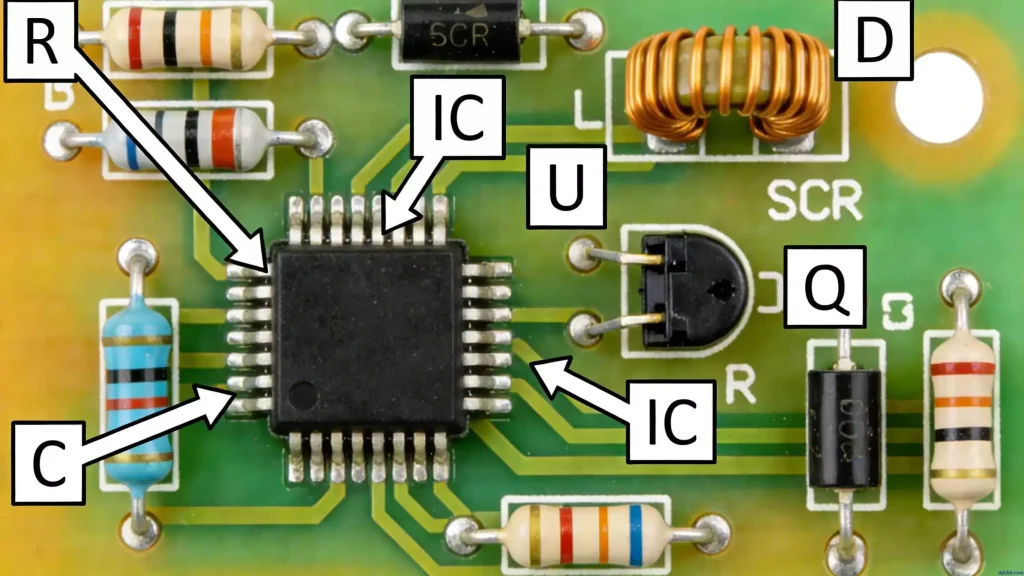
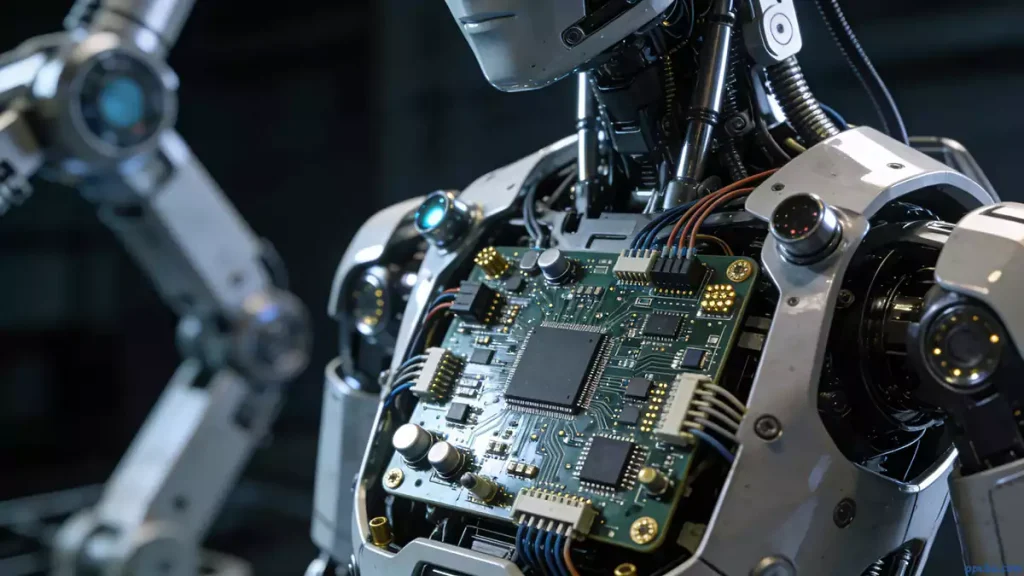
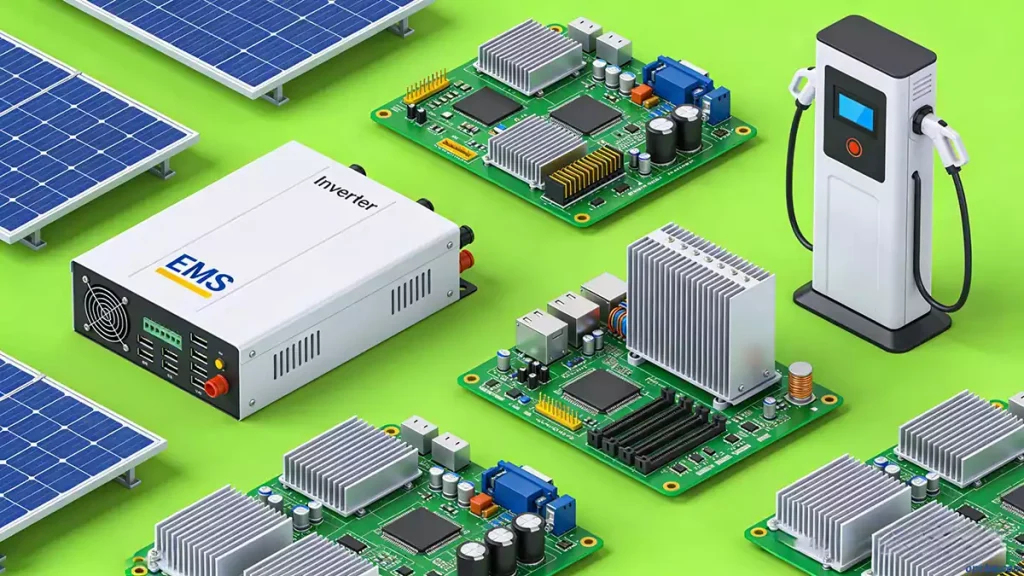
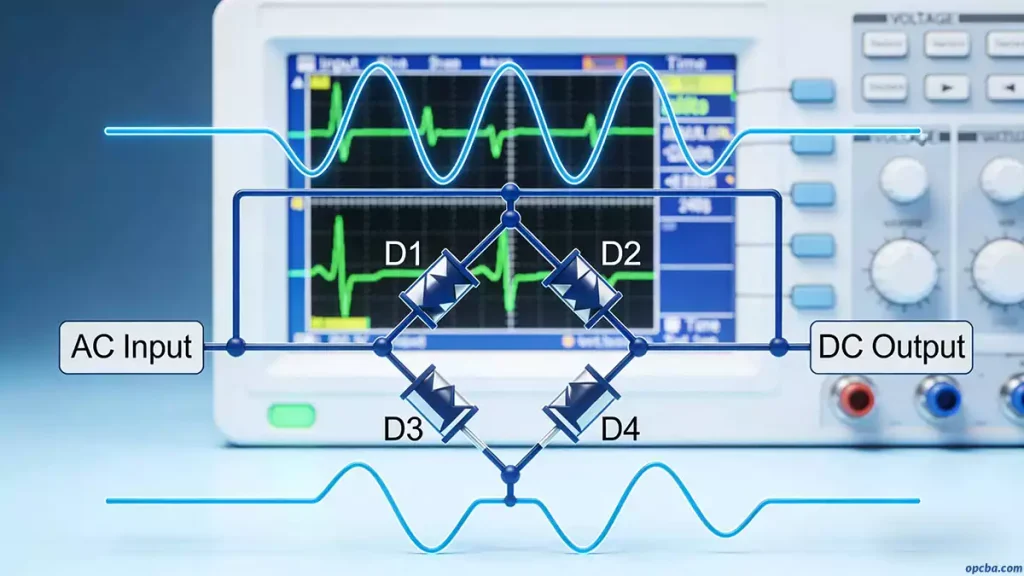
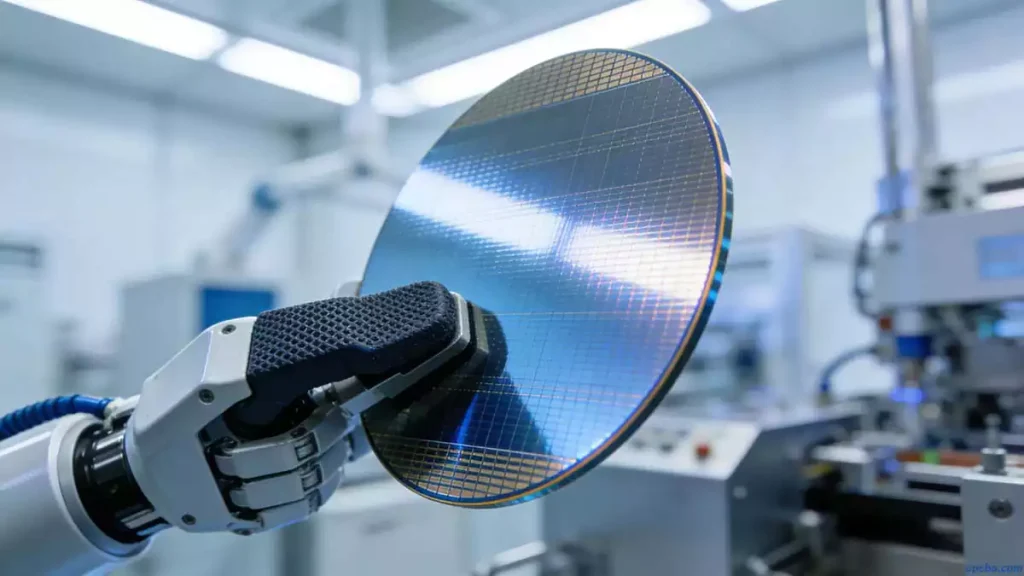
An IC chip (integrated circuit) is a miniature electronic device that packages interconnected transistors, resistors, capacitors, and other components onto a semiconductor wafer or plastic substrate. Nearly every electronic component we use today relies on an IC chip at its core. These integrated structures revolutionized electronics, driving huge leaps in miniaturization, low power consumption, and reliability. In circuit diagrams, integrated circuits are marked with the letters “IC”.
The inventors of the integrated circuit are Jack Kilby (silicon-based integrated circuits) and Robert Noyce (germanium-based integrated circuits), and the vast majority of today’s semiconductor industry is built on silicon-based designs.
IC Chip Classification
Understanding IC chip classification is the first step to selecting the right component for a design, with categories defined by several core criteria.
By Transistor Count & Integration Scale
This is the most common way to categorize ICs, based on the number of transistors integrated onto a single chip:
- SSI (Small-Scale Integrated Circuit): 10–100 transistors
- MSI (Medium-Scale Integrated Circuit): 100–1,000 transistors
- LSI (Large-Scale Integrated Circuit): 1,000–100,000 transistors
- VLSI (Very Large-Scale Integrated Circuit): 100,000+ transistors
In practice, this scale directly impacts the chip’s complexity, power draw, and use case—VLSI designs, for example, power modern microprocessors.
By Function & Circuit Structure
ICs fall into two broad categories here: analog integrated circuits and digital integrated circuits. Analog ICs process continuous signals like sound or temperature, while digital ICs work with discrete binary data.
By Manufacturing Process
This splits ICs into semiconductor integrated circuits, and film integrated circuits. Film ICs are further divided into thick-film and thin-film variants, each suited for different substrate and performance requirements. For a detailed breakdown of PCB substrate types and layer classification that directly impacts IC chip performance, explore our resource: PCB Plate Classification: Types by Layers & Substrate.
By Conductive Type
- Bipolar integrated circuits: These have a complex manufacturing process and higher power consumption, with common types including TTL, ECL, HTL, LST-TL, and STTL.
- Unipolar integrated circuit: These have a simpler production process, lower power consumption, and are easier to make large-scale integrated circuits, with common types including CMOS, NMOS, PMOS.
By End Application
ICs are also categorized by their target use case, with dedicated designs for televisions, audio equipment, DVD players, video recorders, computers, electronic organs, communications devices, cameras, remote controls, voice systems, alarms, and other application-specific integrated circuits (ASICs).
The Evolution of IC Chips (1965–2026)
The timeline of integrated circuit development tracks how the technology grew from niche military and computing use to the global industry it is today.
1965–1978: Foundation Era
This era focused on computer and military applications, with logic circuits as the core product. It laid the foundational infrastructure for the integrated circuit industry, including supporting equipment, instruments, and materials.
1978–1990: Consumer Electronics Boom
The industry shifted to consumer electronics, with a focus on localized production of color TV integrated circuits. This period saw widespread adoption of second-hand equipment from the US, raising domestic production capabilities.
1990–2000: Digital & CAD Revolution
Driven by national projects like the 908 and 909 Programs, the industry focused on CAD technology, R&D infrastructure, and serving the growing information technology sector, leading to significant industry growth.
2000–2009: Global Market Turbulence
2009 marked a major downturn for the global semiconductor market, which hit $226.31 billion that year, a 9.0% year-on-year drop. The 2005–2009 period saw a compound annual growth rate of -0.1%, with the market stuck in a multi-year slump.
China’s integrated circuit market also saw its first decline in 2009, driven by falling downstream demand and chip price drops. The global financial crisis amplified this trend, with average chip prices falling by more than 10% in 2009 compared to 2008.
2010–2020: Smartphones & Advanced Processors
The smartphone era drove explosive growth in mobile SoCs and RF ICs. FinFET technology became mainstream, with 14nm nodes entering mass production in 2014 and 7nm in 2018. China’s IC industry began rapid expansion, with 28nm mature process becoming the backbone of domestic manufacturing. By 2020, FinFET had largely replaced planar transistors in advanced logic chips, enabling unprecedented performance gains.
2021–2026: AI & Advanced Packaging Era
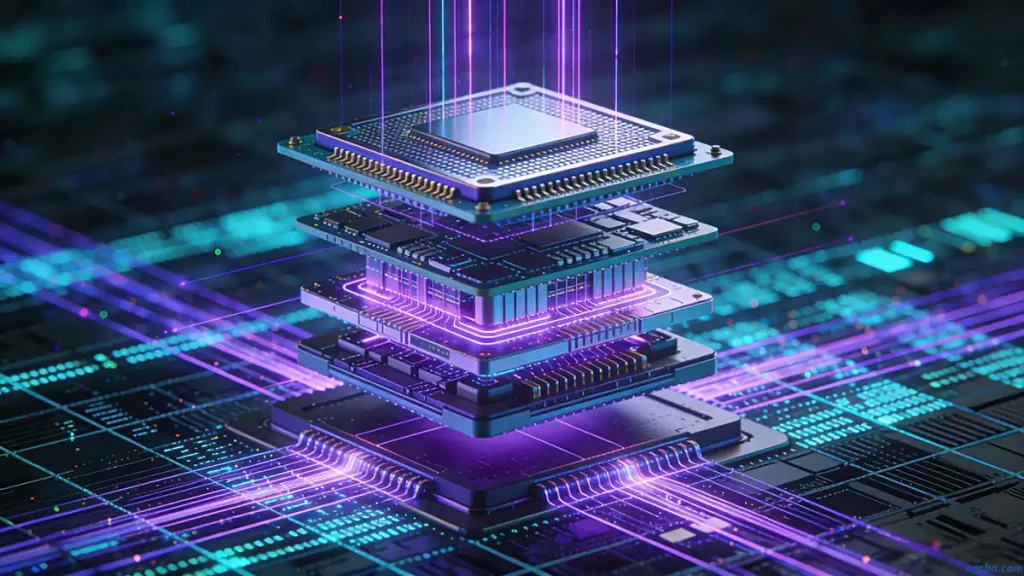
AI computing became the primary growth engine, with HBM memory and high-performance AI accelerators dominating the market. Chiplet and 3D packaging emerged as key paths to extend Moore’s Law—Gartner predicts that by 2026, 20% of all semiconductor devices shipped will incorporate advanced 3D packaging technology.
By early 2026, 2nm GAA transistors are entering mass production: TSMC began volume production in late 2025, while Samsung is ramping up for full-scale production in the second half of 2026. Intel has also launched its 18A (1.8nm) GAA process with RibbonFET architecture.
China’s IC export value surged 72.6% YoY in the first two months of 2026, reaching $43.3 billion, with export unit price rising 52%—a clear sign of value-added growth rather than just volume expansion. According to IC Insights, China’s semiconductor self-sufficiency rate is projected to reach 21.2% by 2026, with a target of 80% by 2030. To understand the full spectrum of semiconductor packaging terms and their role in modern IC development, check out our comprehensive guide: PCB Chip & Semiconductor Packaging Terminology: Complete Glossary
In the years since, the industry has rebounded dramatically. Advances in IC chip design have expanded far beyond early logic circuits, with RF transceiver ICs leading the way in wireless communication. Its application areas have expanded continuously, with wireless communication now integrated into nearly every product category, bringing convenience to daily life and accelerating the development of wireless technology.
Modern RF transceiver IC designs include dedicated narrowband RF transceiver chips and software-defined wideband high-performance RF transceiver chips. These handle core functions like spectrum shifting, signal conditioning, selectable band filtering, and digital-to-analog conversion of RF signals.
For custom IC chip PCB design and manufacturing solutions, visit OPCBA to discuss your project requirements.