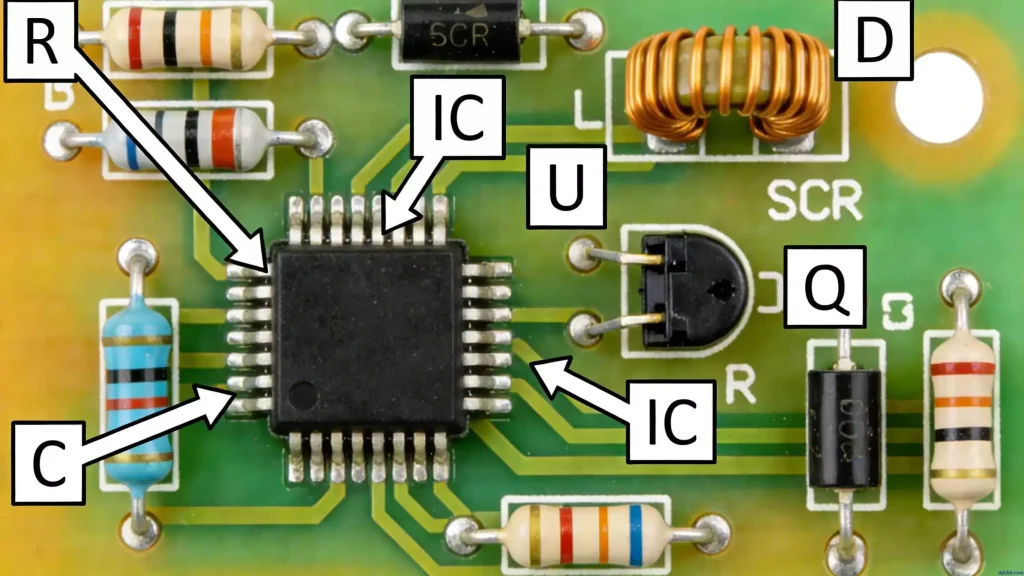
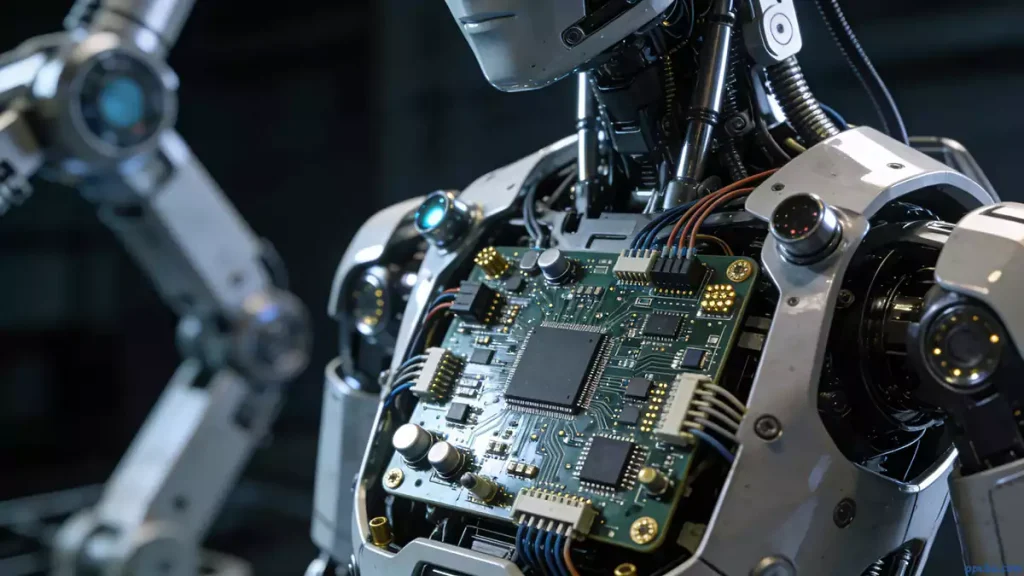
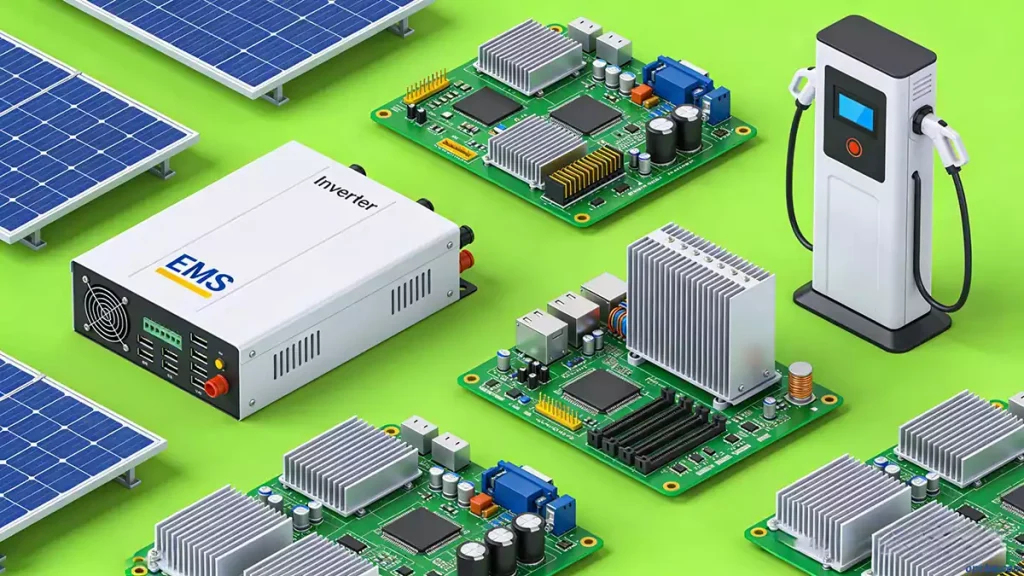
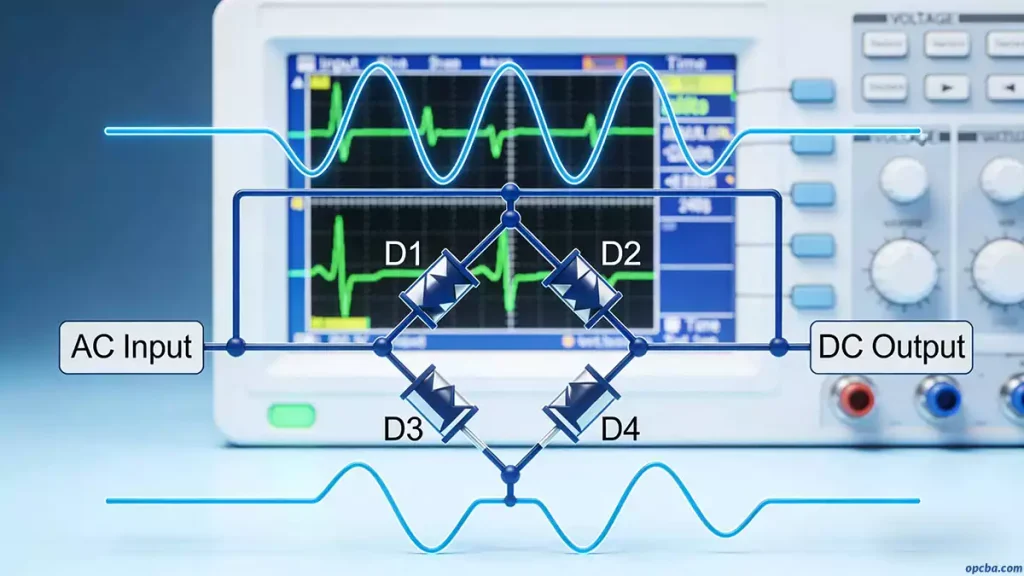
Before printed circuit boards (PCBs) emerged, electronic components relied on direct wire connections to form complete circuits. Today, such hand-wired circuits only exist as experimental tools, while PCBs have become the dominant foundation of the global electronics industry.
Early Origins & Pioneering Inventions (1900s–1940s)
At the start of the 20th century, engineers sought to simplify electronic machine production, reduce inter-component wiring, and cut manufacturing costs—driving research into replacing wires with printed conductive patterns. Over 30 years, multiple proposals emerged for using metal conductors on insulated substrates.
The most successful early breakthrough came in 1925, when American inventor Charles Ducas printed circuit patterns onto insulating substrates, then used electroplating to form functional conductive wiring. This laid the groundwork for modern PCB technology.
In 1936, Austrian engineer Paul Eisler published foil-based PCB technology in Britain and successfully used PCBs in a radio device. Meanwhile, Japanese inventor Yoshisuke Miyamoto patented a spray-wiring method for circuit formation. Eisler’s approach most closely resembled today’s PCB manufacturing (known as the “subtractive process”) and remains the most influential early innovation.
Military Adoption & Commercialization (1940s–1950s)
In 1943, the U.S. military widely adopted PCB technology for military radios, leveraging its reliability and compact size for wartime electronics.
After World War II, standardization efforts accelerated:
- 1947: The U.S. Civil Aeronautics Administration and National Bureau of Standards hosted the first technical seminar on PCB technology, unifying industry practices.
- 1948: The U.S. officially recognized PCB inventions and opened the technology to commercial applications.
By the early 1950s, critical technical hurdles—including copper foil adhesion and solder resistance for copper-clad laminates (CCLs)—were resolved, enabling stable, reliable industrial production. The copper foil etching process became the mainstream PCB manufacturing method, and single-layer PCBs entered mass production.
Layered Evolution & Mass Production (1960s–1970s)
The 1960s marked a major leap forward: engineers perfected through-hole metallization for double-sided PCBs, allowing reliable electrical connections between top and bottom layers. This breakthrough enabled large-scale production of double-sided boards, expanding PCB functionality.
In the 1970s, multi-layer PCBs emerged and rapidly developed, pushing designs toward higher precision, finer trace widths, smaller holes, and lower costs. Automation also advanced, making continuous production feasible for high-volume electronics.
Surface Mount & Advanced Packaging (1980s–Present)
The 1980s saw the rise of Surface Mount Technology (SMT), which replaced bulky through-hole components with smaller, lighter surface-mounted parts. SMT quickly became the dominant PCB assembly method, enabling miniaturization and higher component density.
Since the 1990s, packaging technology has advanced further:
- Flat-pack components (like QFP) gave way to Ball Grid Array (BGA) packaging, offering more I/O pins in a smaller footprint.
- In the 21st century, high-density BGAs, chip-scale packaging (CSP), and multi-chip module (MCM) PCBs—built on organic laminate materials—have driven even greater miniaturization and performance.
Evolution & Future Trends of PCB Technology
PCBs have evolved from single-layer to double-sided, multi-layer, and flexible designs, continuously advancing toward:
- Higher precision and density
- Smaller trace widths and apertures
- Improved reliability and performance
- Lighter weight and lower cost
Future PCB manufacturing technology will focus on:
- Ultra-high-density interconnects (HDI)
- Fine-pitch, high-speed signal transmission
- Multi-layer, flexible, and embedded component designs
- Sustainable, low-cost automated production
These advancements ensure PCBs will remain the vital backbone of electronic products for decades to come.
For custom PCB manufacturing or questions about PCB technology, contact OPCBA today for expert support.