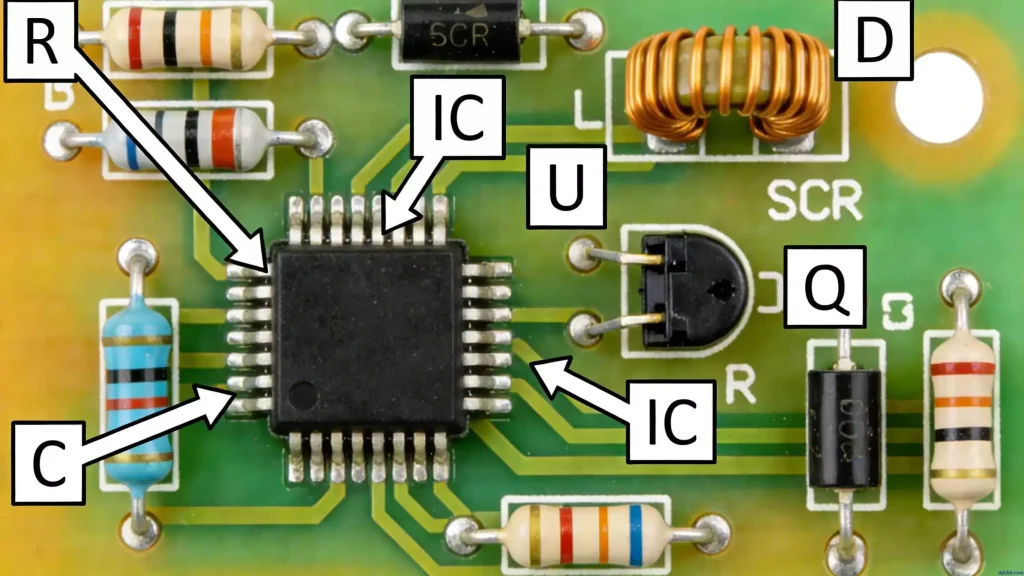
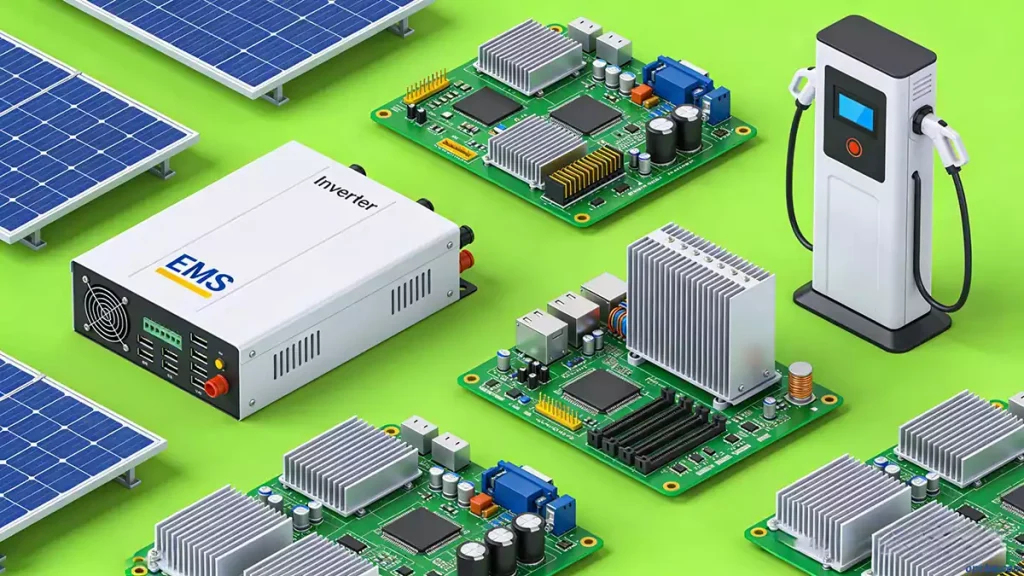
As consumer electronics grow thinner, foldable, and more complex, flexible PCBs (FPCs)—a specialized, flexible subset of Printed Circuit Boards (PCBs)—have become essential.Yet many manufacturers still rely on manual visual inspection—a method that’s increasingly becoming a bottleneck: slow, costly, and error-prone. Automating FPC inspection is no longer optional; it’s a competitive necessity.
Rigorous testing of FPC quality, materials, and performance doesn’t just boost efficiency—it refines manufacturing processes, cuts material waste, and reduces environmental impact. For accurate results, stable testing connections are essential—often supported by specialized modules built for high-efficiency FPC electrical testing.
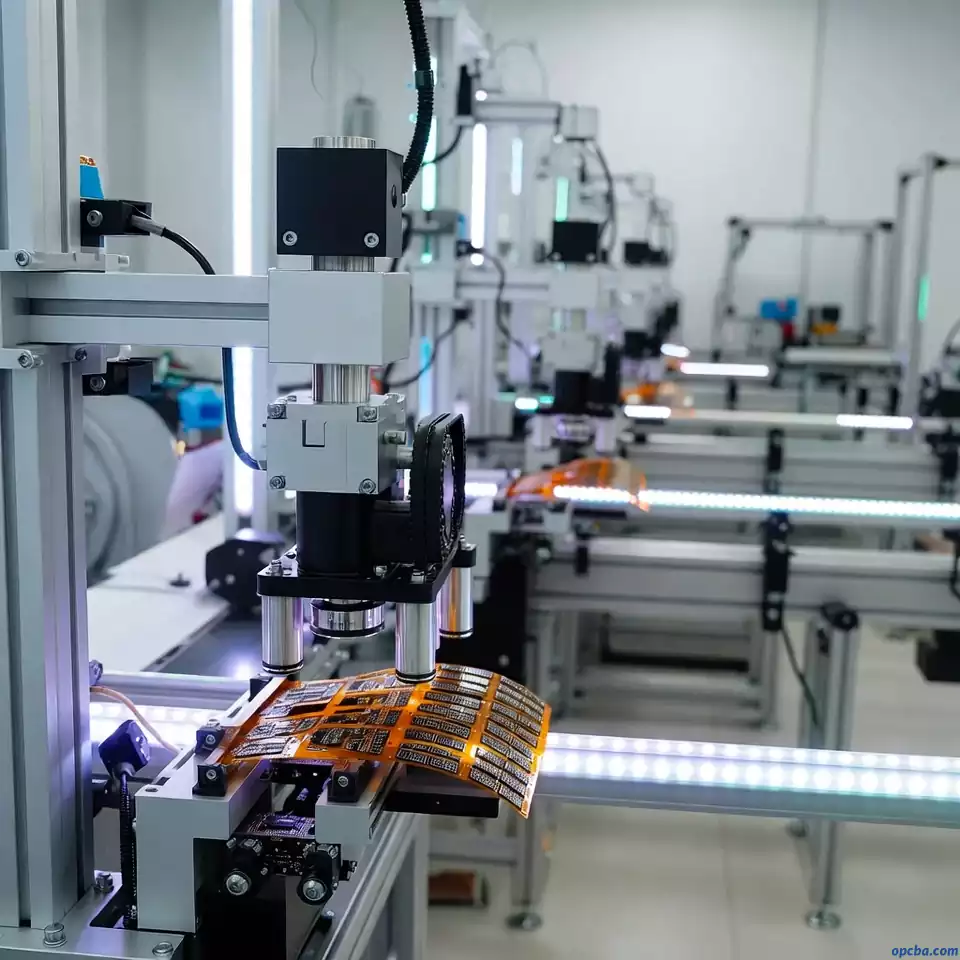
FPC Production Processes
FPC manufacturing involves a series of precision steps that directly determine final performance, including exposure, PI etching, drilling, electrical testing, stamping, visual inspection, and performance verification. Each stage requires strict control, and end‑product testing is mandatory to filter out defective units and ensure reliable performance in real‑world applications.
Key process details:
- Exposure: A photosensitive dry film transfers the circuit pattern onto the substrate, defining the traces for subsequent etching.
- PI Etching: Temperature-controlled etchant removes unwanted copper, leaving only the protected circuit pattern. Precision at this stage directly determines final line quality and integrity.
- Drilling / Hole Formation: Creates vias for electrical connection between layers, most commonly used for vertical conduction in double‑sided FPCs.
Post-production testing validates whether these processes have been executed correctly, with dedicated test modules helping maintain stable, high‑efficiency inspection.
Basic Testing Standards for Flexible PCBs
FPC quality is verified against a set of standardized checks covering appearance, materials, electrical performance, and environmental durability. Core test items include:
- Substrate film and cover layer surface appearance
- Alignment between pads and cover layers, adhesive or cover layer bleed, and conductor discoloration under the cover layer
- Performance compliance: temperature/humidity resistance, voltage withstand, flex resistance, and solder resistance
- Plating adhesion issues, missing coatings, and other surface defects
Reliable electrical contact is critical during voltage withstand testing. High-performance test modules—like our gold-plated versions—maintain stable conductivity even at 0.15mm pitch, with a proven service life exceeding 20,000 cycles. That means fewer probe replacements, less downtime, and higher throughput on your FPC test lines.
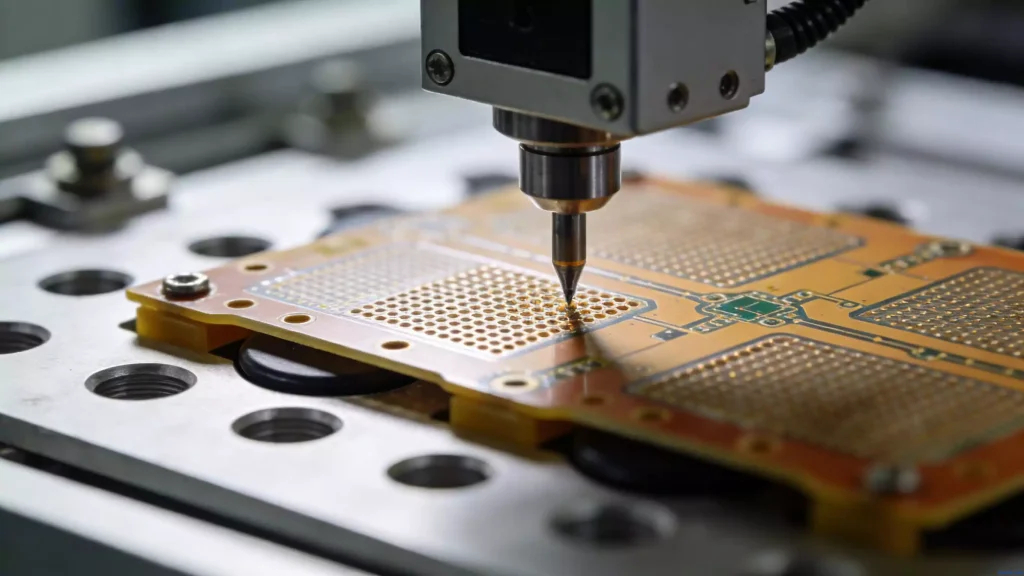
FPC Reliability Starts with Rigorous Testing
Rigorous testing is the foundation of FPC reliability—and the right test solutions make it achievable. At OPCBA, we combine deep process knowledge with end-to-end Printed Circuit Board (PCB) manufacturing and PCB Assembly (PCBA) services to help you turn precision designs into dependable products. If you’re facing challenges with FPC quality or testing, our engineers are ready to help. Visit OPCBA to start the conversation.