First and foremost, Which industries need PCBA processing is a core question for anyone involved in electronics manufacturing. PCBA (Printed Circuit Board Assembly) is the core of modern electronic products, integrating circuit boards and components into functional modules. This foundational electronic assembly process is indispensable for product functionality and reliability. In fact, it serves as a critical link across countless sectors. Below is a detailed breakdown of the key industries that rely on professional PCBA processing services.
Consumer Electronics Industry
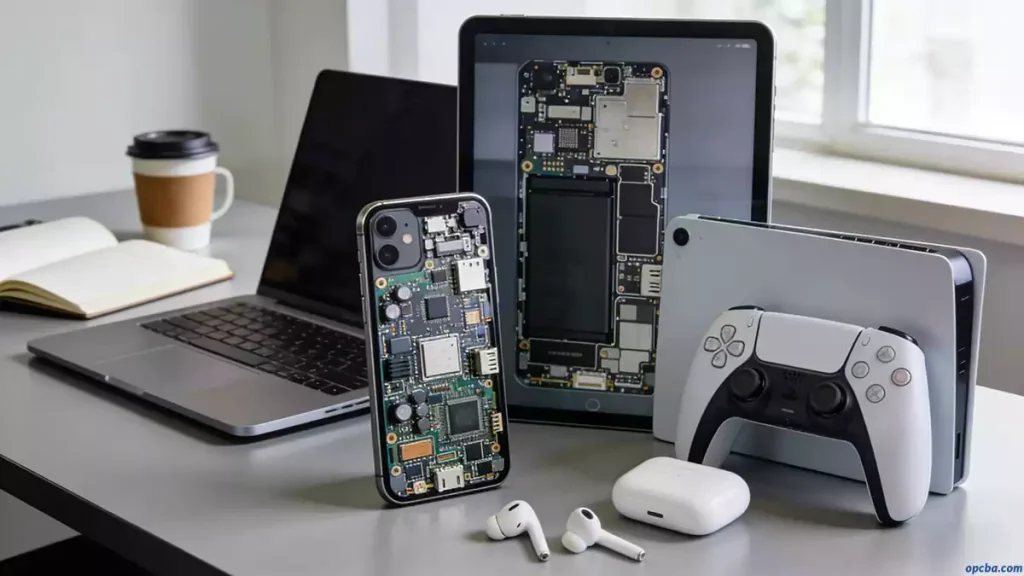
Furthermore, the consumer electronics industry is the largest user of printed circuit board assembly. Manufacturers here depend on high-precision PCBA for almost every mainstream product. Core applications include smart phones, tablets, laptops, digital cameras, game consoles, wireless earbuds and portable chargers. This processing here demands miniaturization and high efficiency to match the industry’s fast iteration speed.
Telecommunication Industry
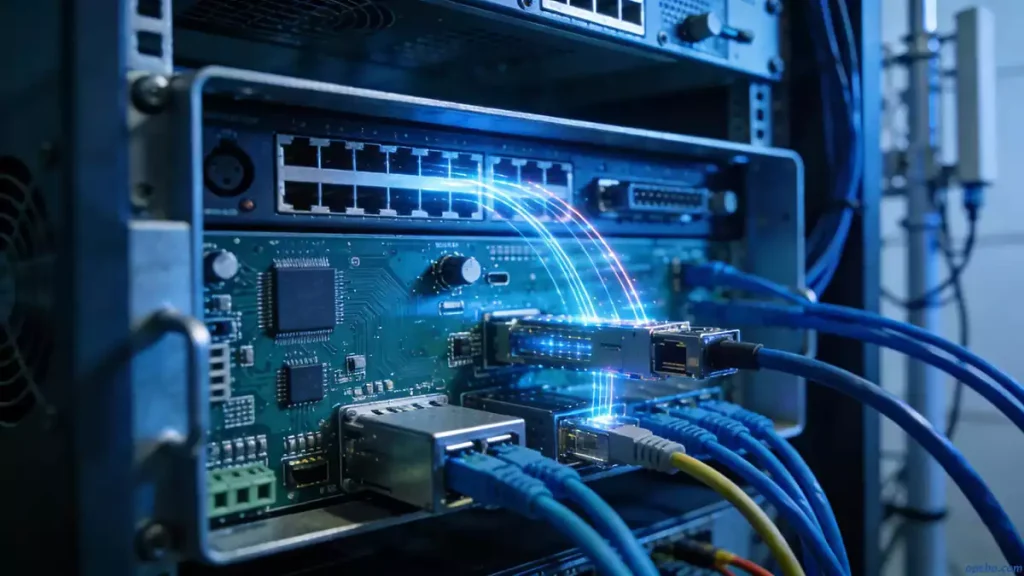
In addition, the telecommunication industry depends heavily on PCB assembly services for stable signal transmission. This sector covers mobile communication base stations, network switches, routers, satellite communication terminals and fiber optic transceivers. The advanced assembly requirements of these devices align with the trends outlined in 2026 Global High-Speed SMT Equipment Market Analysis. PCBA used in telecom equipment must meet strict standards for anti-interference and continuous operation, making professional processing critical.
Industrial Automation Industry
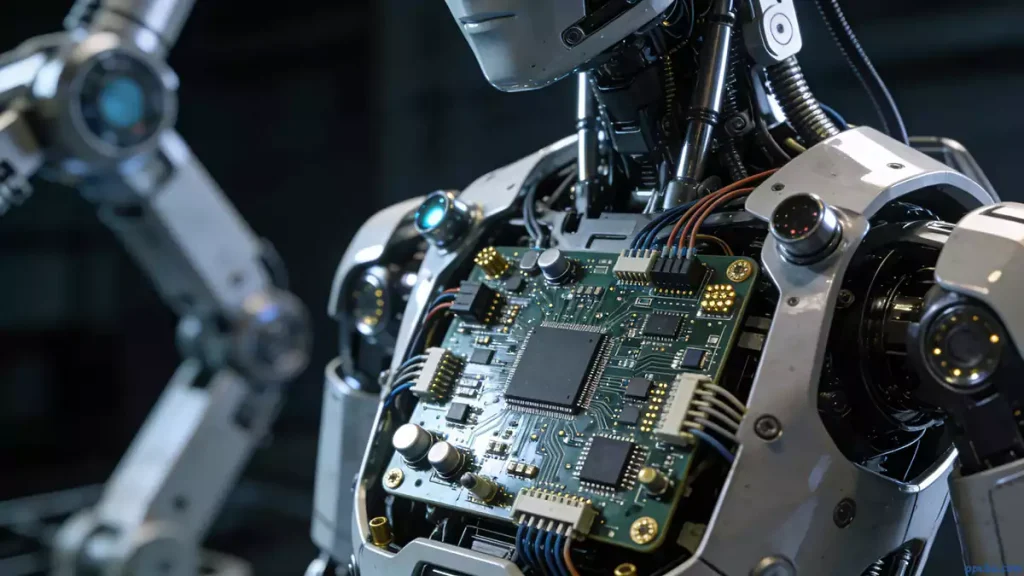
Notably, the industrial automation industry uses PCBA processing to power intelligent production. Key applications include industrial robots, Industrial Control systems, programmable logic controllers (PLCs), motion control systems, industrial sensors and servo motors. PCBA in this field requires high temperature resistance and vibration resistance to adapt to harsh factory environments.
Medical Industry
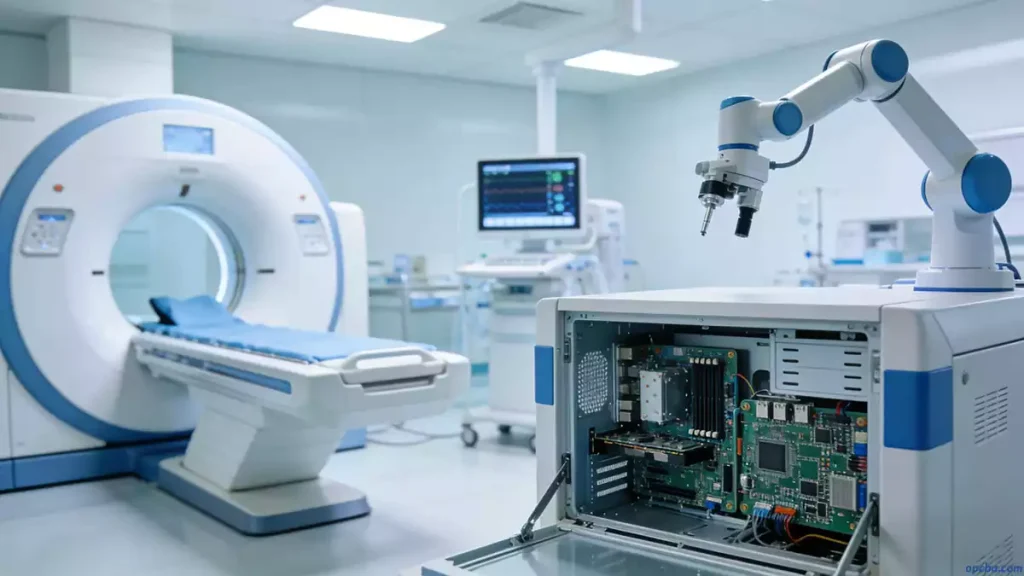
Moreover, the medical industry has the most stringent requirements for PCBA processing. Medical devices rely on reliable PCBA to ensure patient safety. Applications include diagnostic equipment (CT scanners, blood analyzers), health monitoring devices (smart watches, ECG monitors) and surgical instruments (laparoscopic robots, electric scalpels). All PCBA here must comply with medical-grade certification standards.
Energy Industry
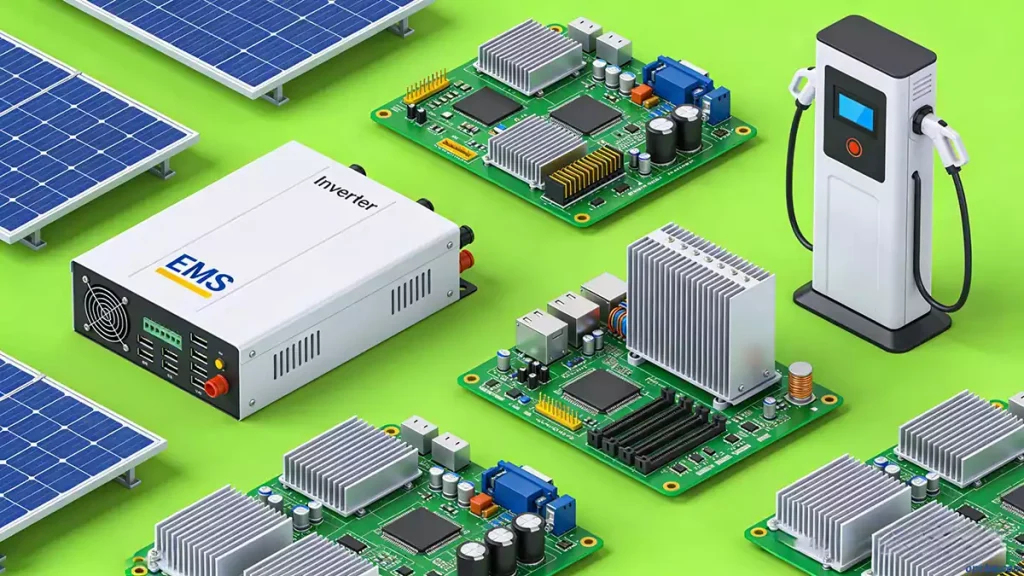
Additionally, the energy industry leverages PCBA processing for green energy and new energy vehicles. This sector includes solar inverters, wind power control systems, electric vehicle (EV) battery management systems (BMS) and charging piles. PCBA in energy applications needs excellent heat dissipation and high voltage resistance.
Military & Aerospace Industry
Furthermore, the military and aerospace industry uses high-end PCBA processing for extreme environmental adaptability. Core applications include missile guidance systems, satellite communication modules, aircraft avionics and radar equipment. PCBA here must pass rigorous tests for radiation resistance, low temperature resistance and shock resistance.
Other Key Industries
Finally, many other daily-use industries also need PCBA processing. These include security monitoring (IP cameras, alarm systems), home appliances (smart refrigerators, air conditioners), LED lighting (smart bulbs, street light controllers) and automotive electronics (infotainment systems, engine control units).
In conclusion, Which industries need PCBA processing is no longer a question of “if” but “how” to integrate this technology effectively. PCBA processing has penetrated every corner of modern industry, acting as a key enabler for technological innovation and product functionality across all electronic product sectors.