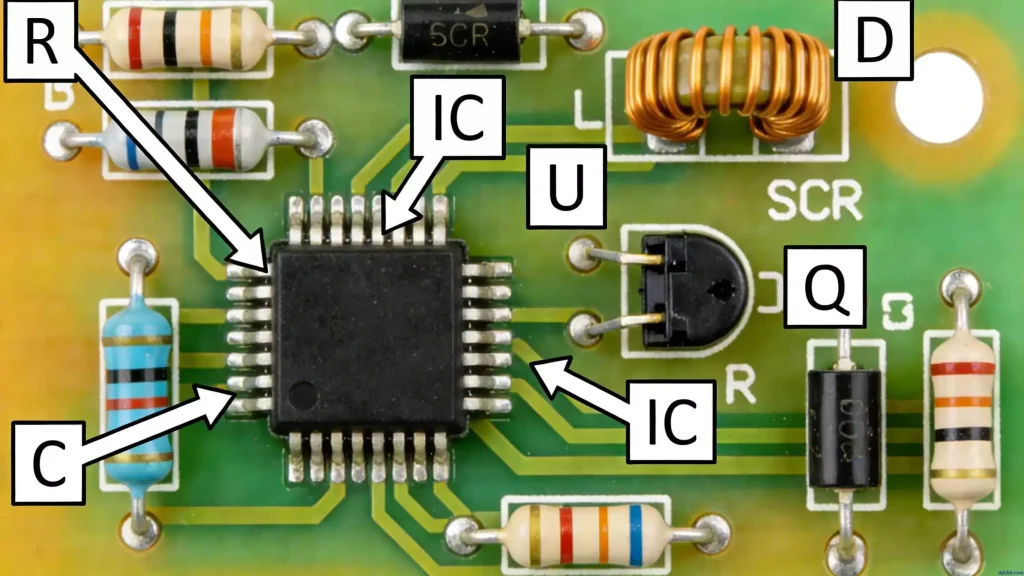
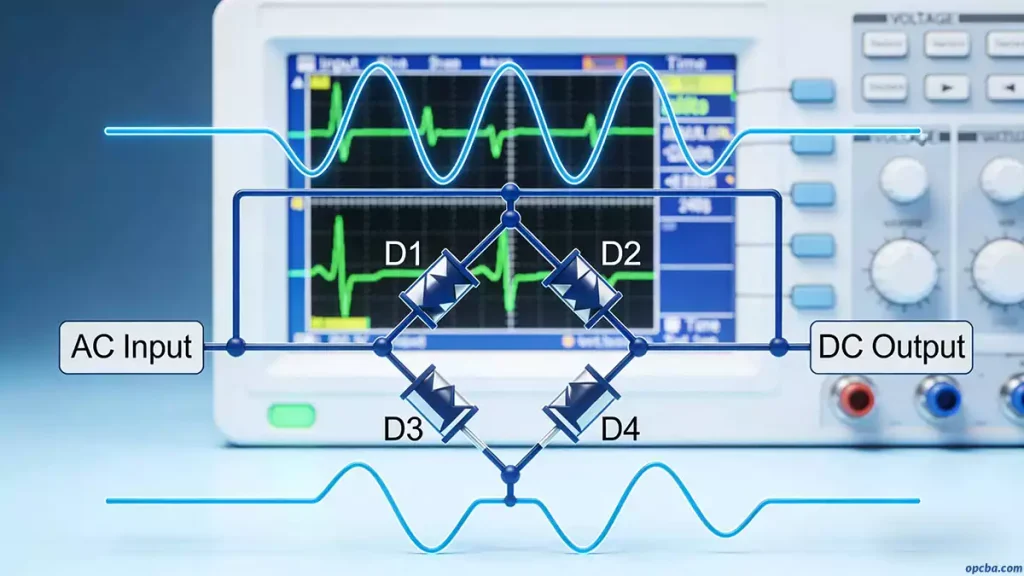
During SMT chip processing and assembly, Electrostatic Protection in SMT Chip Processing is essential to protect electronic components from ESD damage and ensure product reliability. For deeper insights into the relationship between PCBs and chips, as well as advanced packaging technologies, explore our article: PCB and Chips: Relationship, COB Packaging & Key Characteristics. Static electricity is unavoidable in production, so targeted protective measures are widely used in the industry. Below are practical and effective anti-static methods for SMT manufacturing.
1. Reduce Static Generation by Minimizing Friction
Friction between mechanical parts is one of the main causes of static buildup in SMT lines.
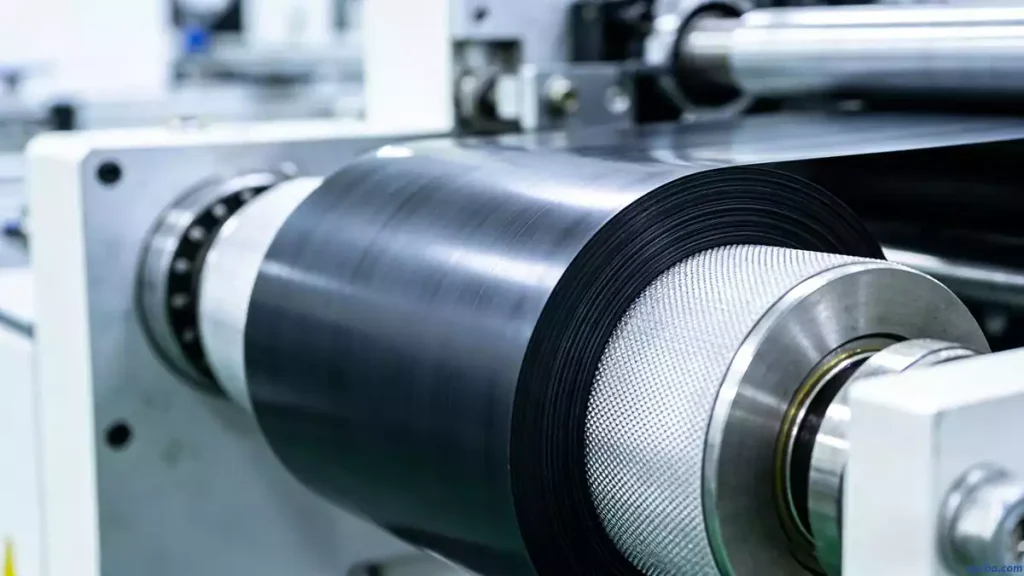
In rotating production equipment, keep conveyor belts and moving parts from slipping unnecessarily.
Tighten belts properly to avoid overload, and choose conductive belts or high-efficiency conductive triangular belts.
This simple adjustment directly reduces static generated by mechanical friction during production.
2. Build a Standard Anti-Static Production Environment
A qualified anti-static environment is the foundation of anti-static measures for SMT assembly.
Use anti-static workbenches for production platforms and lay anti-static mats to protect components.
Floors in the workshop should use anti-static flooring materials to prevent charge accumulation.
Operators must wear complete anti-static clothing, hats and shoes.
Keep the entire workshop clean and tidy, and apply anti-static treatment to all production tools and auxiliary equipment.
3. Static Leakage and Standard Grounding
Grounding safely conducts and releases static charges, which is a core step in ESD protection.
Ground all areas where static electricity may accumulate, using a dedicated independent grounding wire.
The grounding resistance must be controlled below 10 Ω to ensure effective charge conduction.
A 1 MΩ resistor in series limits the discharge current to under 5 mA, known as soft grounding.
Equipment casings and electrostatic shields usually adopt direct hard grounding for faster discharge.
4. Eliminate Static Electricity on Conductive Materials
For conductive parts and components, static electricity can be safely discharged to the ground through proper grounding.
In standard SMT production, static discharge time should be within 1 second, with voltage reduced below 100V.
This balance avoids overly fast discharge currents that could harm static-sensitive devices.
5. Remove Static from Non-Conductive Materials
Static on insulators cannot be eliminated by grounding, as charges cannot flow freely on their surfaces.
Common solutions include:
- Using ion blowers or ion guns to neutralize surface charges
- Applying professional static eliminators
- Controlling workshop ambient humidity
- Using electrostatic shielding for sensitive components
6. Static Control Through Process Management
SMT production ESD control also relies on strict process management.
Take preventive steps in material selection, component mounting and daily operation.
Control static generation and charge accumulation at the source to minimize ESD risks.
Final Best Practices for SMT ESD Protection
Static electricity cannot be fully eliminated in SMT production, but its harm can be controlled within a safe range.
Post clear anti-static warning signs in key workshop areas and monitor temperature and humidity regularly.
Operators must wear anti-static wrist straps when entering the production line, alongside anti-static clothing and shoes.
A complete system of Electrostatic Protection in SMT Chip Processing ensures stable production and high-quality finished products. To learn more about which industries rely on professional PCBA processing, check out our guide: Which industries need pcba processing?