A PCB test fixture is a device for testing printed circuit boards (PCBs). It typically consists of a series of clamps that secure the circuit board and enable automated testing. Test fixtures can evaluate the electrical performance of circuit boards—such as voltage, current, and resistance—to ensure they meet design specifications.
Manufacturers widely apply PCB test fixtures for in-production quality control testing, as well as post-delivery circuit fault diagnosis and board repair. They can significantly improve testing efficiency, reduce testing costs, and ensure the reliability and stability of circuit boards.
Why Are Test Fixtures Necessary in PCB Manufacturing?
- Ensuring PCB Quality and Reliability: The PCB test fixture provides a stable, controlled testing environment that effectively minimizes human error and ensures consistent test results. We equip Lensuo’s test fixtures with anti-vibration frames and high-precision fixture bases. These components play a vital role in high-reliability industries, including aerospace, medical, and automotive sectors, where PCB failures may trigger serious consequences.
- Improving Testing Efficiency: High-volume PCB manufacturing requires testing hundreds of circuit boards daily, making manual testing extremely inefficient. Lensuo’s PCB test fixtures can test up to 20 PCBs simultaneously, reducing testing time by 50% while lowering labor costs.
- Reducing Costs and Error Rates: Early detection of PCB defects minimizes repair costs and recall losses. Compared to basic tools, Lensuo’s high-precision test fixtures can reduce error rates by 30%. Their modular design allows for flexible adjustments based on production needs, eliminating the need to purchase new equipment.
- Compliance with Industry Standards: Lensuo’s PCB test fixtures meet or exceed IPC (International Electronics Manufacturing Association) standards, ensuring products comply with global market access requirements. This not only builds customer trust but also helps avoid penalties for non-compliance.
Principles and Manufacturing Methods of PCB Test Fixtures
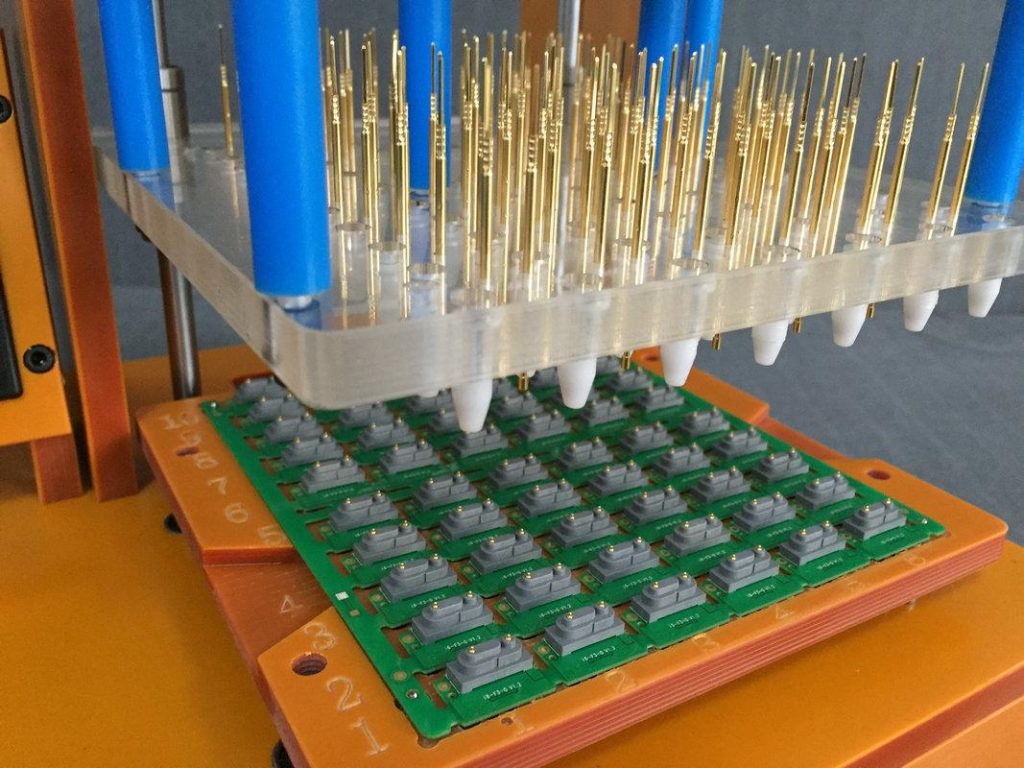
The principle behind a PCB test fixture is straightforward: metal probes connect to the pads or test points on the PCB. We supply power to the PCB and measure key parameters including voltage and current through the test circuit. Then we verify circuit functionality with multimeters, voltmeters, or professional testing equipment.
We customize PCB test fixtures and define their specifications according to PCB dimensions, test point positions, and targeted testing parameters. The assembly primarily consists of acrylic or bakelite, plastic, metal probes, a display screen, wiring, and a simple PCB circuit board.
What documentation is required for PCB test fixture fabrication?
At PCB factories, after the PCB production and soldering processes are completed, a custom PCB test fixture must be ordered for the product to test the PCB’s functional parameters. When manufacturing PCB test fixtures, the PCB factory must provide the fixture manufacturer with the necessary documentation to ensure the production of an accurate fixture.
The PCB factory must supply the PCB’s Gerber files, material specifications, a PCB prototype, and the fixture requirements document. We can complete the production solely with Gerber files even without a physical PCB prototype. The test fixture manufacturer can produce the fixture based on the data provided in the Gerber files, such as circuit patterns, solder mask, and test points. If the files are incomplete, the resulting test fixture may not meet your expectations.
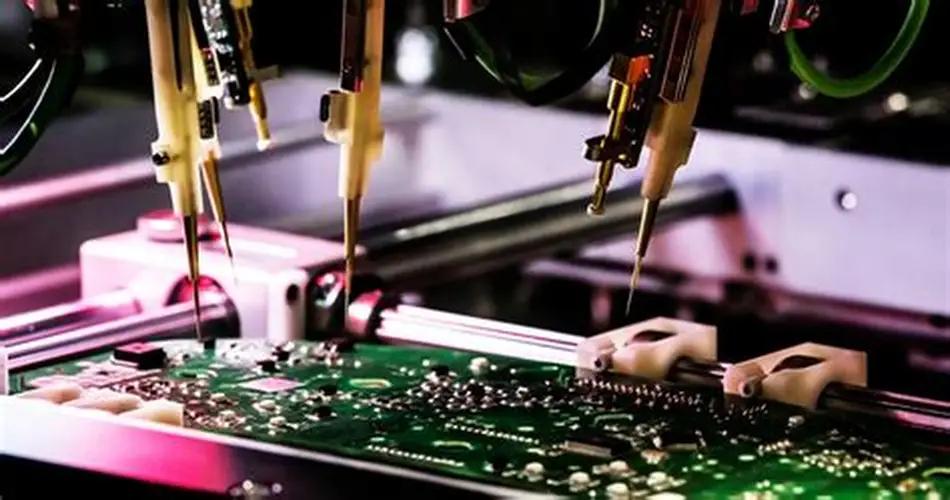
Core Components of a PCB Test Fixture
A high-quality test fixture relies on the coordinated operation of its core components. Below is a detailed explanation of the key components:
- We build Lensuo’s test fixture frames with steel materials, supporting a maximum load capacity of 227 kg (500 lbs). They feature adjustable height and width to accommodate PCBs of various sizes.
- Test Platform and Fixture Base: Made from anti-static materials to prevent electrostatic discharge (ESD) damage to PCBs; the modular fixture base allows for flexible replacement to accommodate different PCB models.
- Wiring and Interfaces: Equipped with high-quality USB, Ethernet, and other interfaces to ensure stable signal transmission; clearly labeled interfaces facilitate quick setup by operators.
- Safety Features: Features an emergency stop button and overload protection devices, compliant with OSHA (Occupational Safety and Health Administration) standards to ensure operator safety.
- We match the test fixtures with optional accessories, including temperature control modules, data logging systems, and automatic loading systems. We customize these accessories to satisfy testing demands across automotive, aerospace, and other industries.
How the PCB Engineering Test Fixture Works
The PCB test fixture integrates seamlessly into the manufacturing process, with its core operation divided into 5 simple steps:
- Preparation: Adjust the fixture size, connect the test equipment, and set test parameters via the touchscreen.
- Loading PCBs: Secure the PCBs in the adjustable fixtures (automatic loading can be enabled for high-volume production).
- Test Execution: Run preset test programs (continuity, functionality, durability, etc.) while simultaneously recording test data for subsequent analysis.
- Sorting and Marking: Automatically sort PCBs into pass and fail categories, and mark passing products for production tracking.
- Production Line Integration: Interface with equipment such as conveyor belts and robotic arms to achieve a seamless transition from PCB manufacturing to testing and packaging.
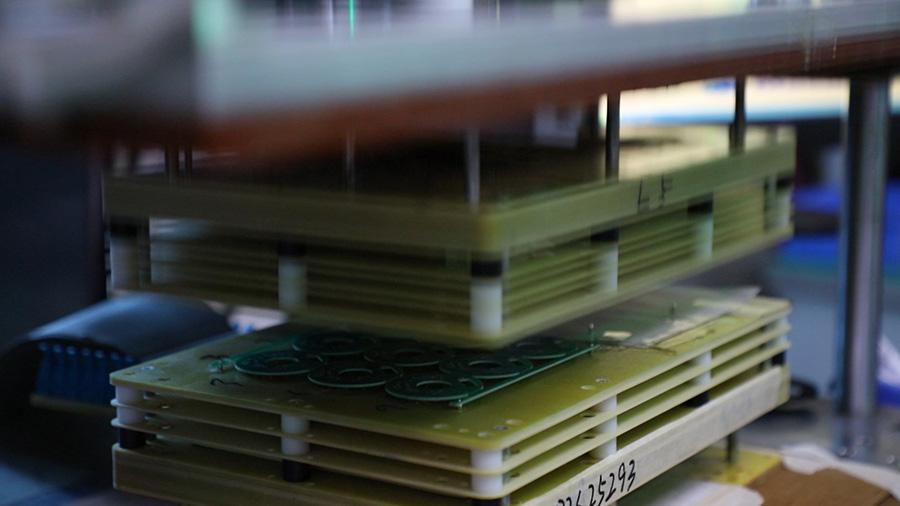
Conclusion
The PCB test fixture is core equipment for efficient, precise testing in the PCB manufacturing process. They meet diverse needs ranging from small-scale prototyping to large-scale production, ensuring product quality, reducing costs, and complying with industry standards.