We’re an SMT manufacturer with years of hands-on experience.
A question we hear all the time: What’s the SMT patch price, and how do manufacturers calculate it?
Is a pad counted as a point? How much does one point cost?
Today, we’ll break down the SMT patch price calculation method clearly.
No jargon, just practical insights for your PCB assembly orders.
First, let’s clarify: SMT mounting is the core process of PCB Assembly(PCBA).
It attaches electronic components to bare PCBs, and every step incurs costs.
Pricing isn’t random. It follows a clear formula, though details vary slightly by factory.
Key Terms to Understand First
Before diving into the formula, you need to know three core terms.
These are what manufacturers use to base their quotes on.
SMD Points
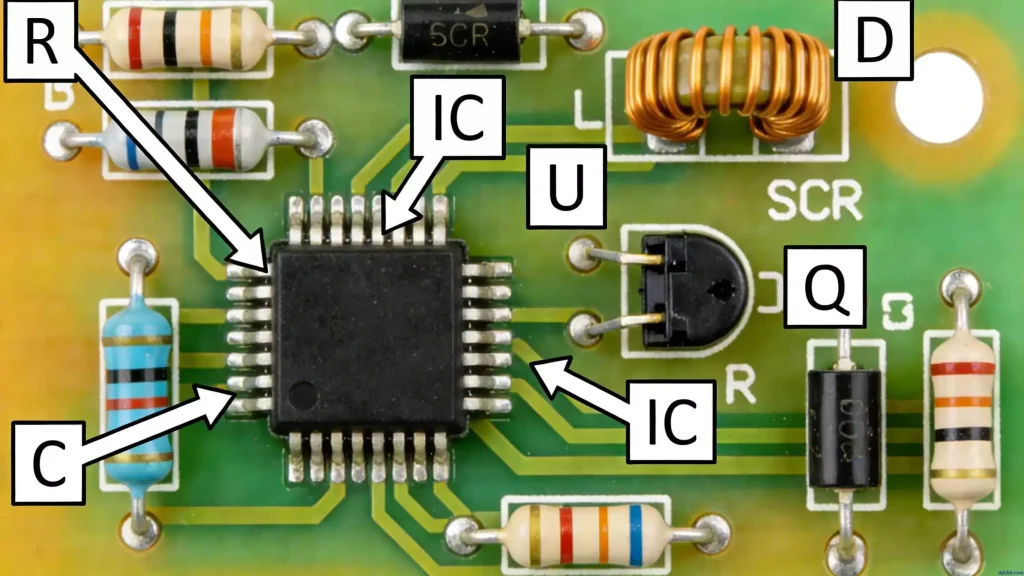
SMD points refer to the number of surface-mount components on a PCB.
Many clients confuse this with pads. It’s simply the count of SMD components you need mounted.
DIP Points
DIP points relate to through-hole components.
One pin equals one point. For example, an 8-pin IC counts as 8 DIP points.
This is a common point of confusion: pins, not pads, determine DIP points.
Number of Boards
This ties directly to your order quantity.
The more boards you produce, the more cost-effective the SMT processing cost becomes.
We’ll explain why later—for now, just know quantity matters.
The Standard SMT Pricing Formula
Nearly all SMT factories use this basic formula.
Variations are minor, usually in unit prices or engineering fees:
(SMD points × processing unit price + DIP points × processing unit price) × number of boards + engineering cost = total cost
The “unit price” is almost always per point.
This is where negotiations usually happen—but only if you have a decent order quantity.
Why Small Batch Orders Cost More
A common complaint we hear: “Why is my small order so expensive?”
The answer boils down to labor costs. They’re the biggest expense in SMT processing.
For example, if you only need 10 boards, we still run full project setup.
We also do SMT mounting, quality inspection, and engineering testing.
From our past project data, each of these steps has fixed labor costs.
These costs get spread out over fewer units for small orders.
That’s why small batches end up with higher per-unit SMT processing cost.
It’s not about overcharging. It’s about covering the fixed costs of starting production.
Final Notes on SMT Pricing
If you’re unsure about the SMT patch price calculation, or don’t know what info to provide for a quote, our team is here to help.
Our online customer service and engineers can walk you through every step.
This content is organized and released by Shenzhen Hengtian Weiye Technology Co., Ltd.
The pricing method shared here is for reference only.
For specific SMT patch processing prices, please consult our customer service team with your order details.