

Millimeter Wave Radar: PCB/PCBA Sensing Solutions
millimeter wave radar drives a growing share of modern sensing. It handles detection, ranging and speed measurement across industries that need all […]
millimeter wave radar drives a growing share of modern sensing. It handles detection, ranging and speed measurement across industries that need all […]

Consumer drone is a mainstream recreational unmanned aerial vehicle (UAV). Its core performance, including flight stability, miniaturization and functional integration, all depends
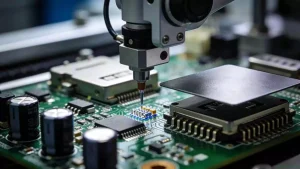
Industrial Control is the core backbone of modern automation. It governs critical equipment and processes in manufacturing, energy, and infrastructure sectors. These
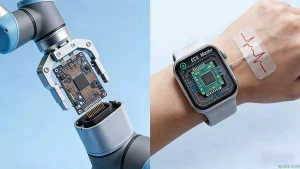
Medical Equipment is the cornerstone of modern healthcare, powering life-saving interventions, accurate diagnostics, and continuous patient monitoring. From portable blood pressure monitors

Consumer Electronics are the most personal and pervasive technology in our lives. From the smartphone that wakes you up to the smartwatch
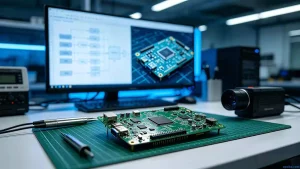
A PCBA solution isn’t just a stack of Gerber files and a BOM. It’s the design, the sourcing, the assembly, and the debugging that
These Terms & Conditions govern your use of the OPCBA eCommerce platform and all password-protected areas of our website. Please read them carefully before
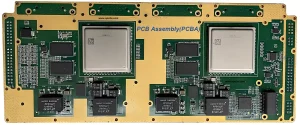
PCBA refers to the process of transforming a bare PCB into a functional finished product through SMT mounting, DIP insertion, and rigorous

When a board passes ICT and functional test at the factory but glitches six months later in a humid climate, my first
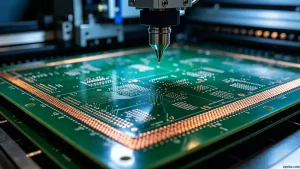
Not all FR-4 is created equal. That’s a lesson you absorb quickly once you’ve ordered the cheapest sheet available and watched the
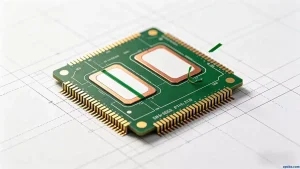
Ask any PCB fabricator which process generates the most customer complaints, and the answer usually points straight to solder mask. It’s the
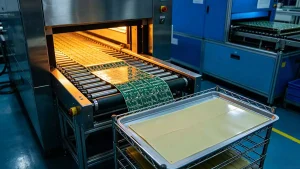
Getting a connector or wire to stay put on a flexible circuit is not the same game as soldering on rigid FR4.
Working with wearables and foldable electronics quickly teaches you one lesson: the rigid PCB has hard limits. That’s where flexible printed circuits come in.
In any PCB design that will see field exposure, conformal coating is often the thin layer standing between a long service life and an
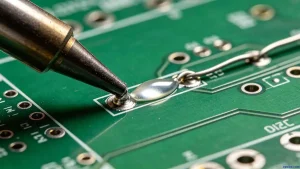
There’s a quiet frustration in watching solder ball up on a pad and refuse to wet—a problem I ran into far too
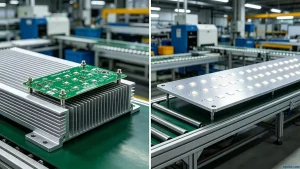
If you’ve ever reached for an aluminium substrate PCB to solve a thermal problem, you know the datasheet value alone doesn’t get
Modern electronic hardware cannot work stably without a complete printed circuit board. Every board relies on well-matched printed circuit board components to
sales@opcba.com