
The Development History of Printed Circuit Boards (PCBs)
Before printed circuit boards (PCBs) emerged, electronic components relied on direct wire connections to form complete circuits. Today, such hand-wired circuits only […]
Before printed circuit boards (PCBs) emerged, electronic components relied on direct wire connections to form complete circuits. Today, such hand-wired circuits only […]
The production process of rigid PCBs may vary slightly based on factors like layer count, design complexity, and performance requirements, but the
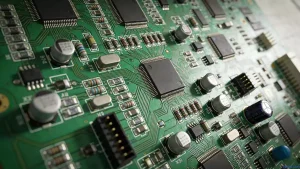
In high-speed circuit design, the inductance and capacitance within PCB traces turn wires into equivalent transmission lines. Poor placement of termination components
A light-emitting diode (LED) is a semiconductor component. At first, people used LEDs mainly as indicator lights or display boards. White LEDs
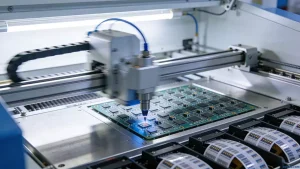
PCB assembly and welding technology transforms bare printed circuit boards (PCBs) into fully functional electronic prototypes. The PCB assembly (PCBA) stage combines
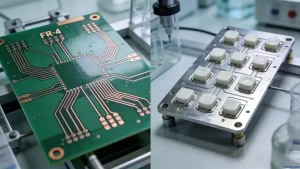
Printed circuit board (PCB) materials fall into two main categories: organic substrate materials and inorganic substrate materials, with organic substrates being the
In any switching power supply PCB design, the physical design of the PCB board is the last step. If the design method
In PCBA manufacturing, high-quality welding is critical to ensuring the reliability and performance of electronic assemblies. Poor welding can lead to weak
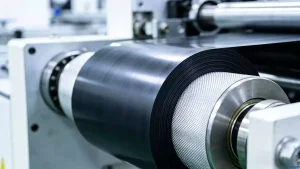
During SMT chip processing and assembly, Electrostatic Protection in SMT Chip Processing is essential to protect electronic components from ESD damage and
What is an SMT Stencil? An SMT steel mesh (stencil) is a specialized mold for SMT production—its core job is to deposit
As the electronics industry keeps pushing for higher micropore density and better signal integrity on printed circuit boards,micropore reliability has become a
High-power electronic devices face severe thermal challenges in daily operation, especially those equipped with high-frequency IC components like A/D and D/A converters.
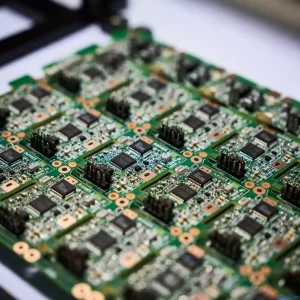
Poor PCB panel design is a recipe for costly manufacturing disasters: warped boards, misplaced components, and assembly line stoppages. Whether you’re prototyping
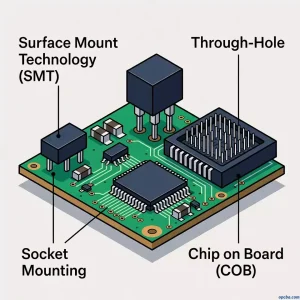
Your newest gadget just failed its thermal test, and you’re staring at a melted mess on the bench. The chip itself is
ENIG and HASL are the two most widely used PCB surface finishes—and choosing the wrong one can lead to direct, costly consequences:
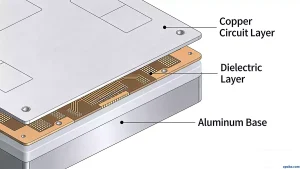
Designing for high power? If you’ve ever watched an LED driver cook itself due to heat buildup, you know that FR-4 is
As consumer electronics grow thinner, foldable, and more complex, flexible PCBs (FPCs)—a specialized, flexible subset of Printed Circuit Boards (PCBs)—have become essential.Yet
sales@opcba.com