In our daily work with PCB designers, we’re often asked: Why does Rogers material stand out so much? The answer boils down to its unique performance, especially for high-frequency designs.
Rogers PCB is made using Rogers laminates as the base material—unlike traditional epoxy-based PCBs, it’s a ceramic-based high-frequency material with no glass fibers in the core.
When circuit frequencies exceed 500MHz, designers have far fewer material options. This is where Rogers truly shines. For a detailed look at another top Rogers high-frequency option, check out our guide: Rogers 5880 PCB: Low-Loss PTFE Composite for High-Frequency RF Take the Rogers RO4350B material, for example—it’s easy to fabricate for RF engineering designs like network matching and transmission line impedance control.
Its low dielectric loss gives Rogers RO4350B PCB a clear edge over common circuit materials for high-frequency use. We’ve found its dielectric constant temperature coefficient is nearly the lowest among similar materials.
Across a wide frequency range, its dielectric constant stays stable at 3.48 to 3.66. The recommended LoPra copper foil further reduces insertion loss—making it perfect for broadband applications. For a full breakdown of RO4350B’s performance and specifications, explore our guide: Rogers 4350B: High-Frequency Laminate Performance & Benefits
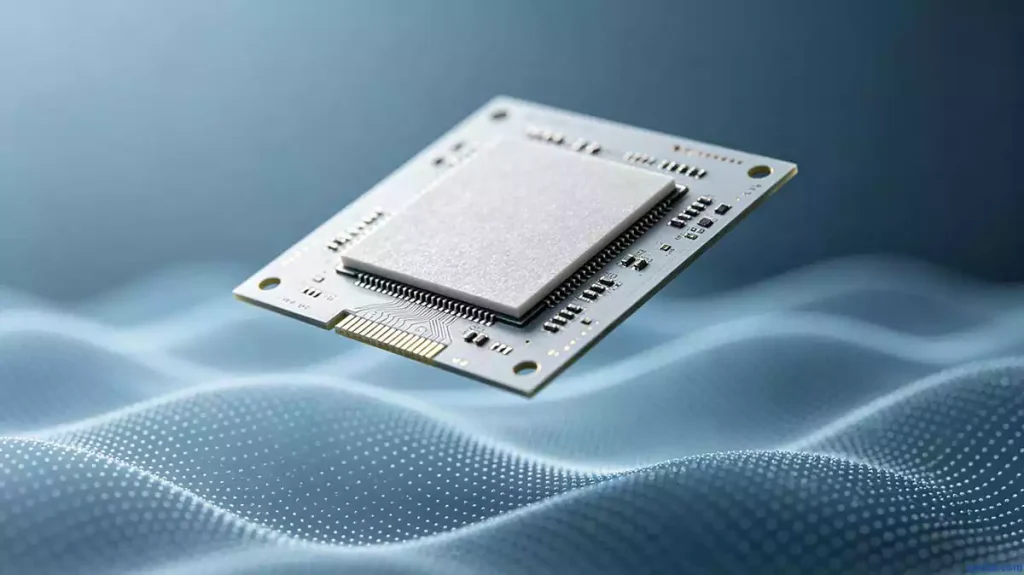
Popular Rogers Board Models for PCB Designers
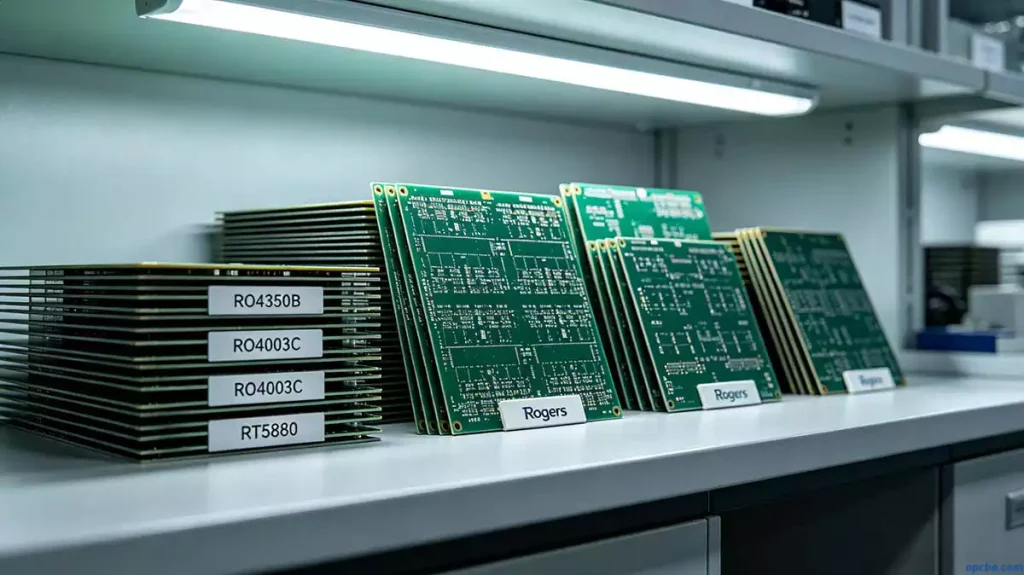
Among hardware designers, the most widely used Rogers boards are RO4350B, RO4003C, RO3003, RO4835, RT6035, and RT5880. We see these models used most often, and the reason is simple: Rogers PCB offers exceptional stability.
In high-frequency applications, even tiny performance fluctuations can ruin a design—Rogers materials avoid this, which is why designers keep coming back to them. For a comparison of these popular models, explore our guide: Popular Rogers PCB Models: RO4350B vs. RO4003C vs. RO3003
Key Applications of Rogers PCB
Rogers’ superior high-frequency performance makes it a top choice for specialized fields. Here are the most common applications we see in our work:
- Automotive radar systems: Handles harsh vehicle environments while maintaining signal stability
- Global positioning satellite (GPS) antennas: Ensures accurate signal transmission
- Cellular telecommunication systems: Used in power amplifiers and antennas for clear connectivity
- Live broadcast satellites: Reliable performance for long-distance signal transmission
- E-band point-to-point microwave links: Low loss supports high-speed data transfer
- Radio Frequency Identification (RFID) tags: Consistent performance for small, high-frequency devices
- Airborne and ground-based radar systems: Withstands extreme conditions
- Millimeter wave applications: Ideal for high-frequency, high-precision devices
- Missile guidance systems: Demands the stability only Rogers can provide
- Space satellite transceivers: Reliable in zero-gravity, high-radiation environments
At opcba, we always keep Rogers boards in stock. If you’re planning to produce Rogers PCB and need a price inquiry or technical support, don’t hesitate to contact us.