
Soldermask in PCB production
The green protective layer on finished PCBs is known as the PCB solder mask, a thin ink coating applied across most of […]

The green protective layer on finished PCBs is known as the PCB solder mask, a thin ink coating applied across most of […]
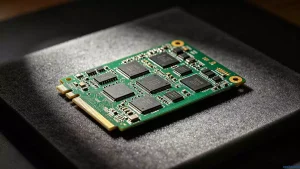
As electronics grow more advanced, assembly standards for printed circuit board assembly keep rising. The overall reliability of any electronic device ultimately
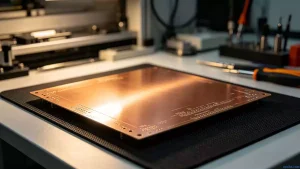
Anyone who’s worked in PCB fabrication knows a well-made board isn’t just about following design files—it’s about nailing the small details that
Anyone who’s worked in PCB manufacturing knows that turning a blank copper-clad board into a usable circuit isn’t just about machinery—it’s about
In the fast-evolving electronics industry, thermal management and structural reliability have become major challenges for high-power circuits. This real demand led to
RF stands for radio frequency, referring to alternating electromagnetic waves that carry signals across wireless systems. From everyday phones to satellite equipment,
Every month, we work with dozens of LED lamp manufacturers—and one question comes up time and again: what’s the best PCB material
Electronics are everywhere in 21st-century life—from our phones to our home appliances. But have you ever wondered what’s inside those devices, and
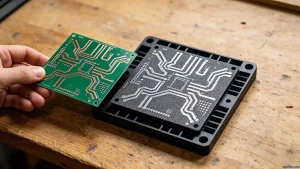
In real PCB production, traditional methods mean expensive molds, long lead times, and high setup costs—especially for small batches or prototypes. This
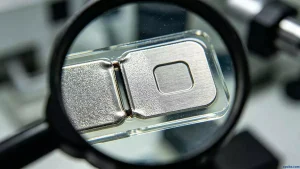
In PCBA (Printed Circuit Board Assembly) processing, soldering defects are one of the most common issues we face. Among them, false soldering
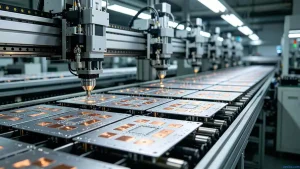
For LED drivers and high-power integrated circuits, heat buildup is one of the biggest threats to performance and lifespan. This is exactly
Vias are among the most critical features in multilayer PCBs, and drilling costs typically make up 30% to 40% of total PCB
When designing portable electronics or compact devices, we often get asked: what’s the difference between FFC and FPC connectors? Which one should
Every integrated circuit is built to deliver consistent electrical functions, and even minor physical defects during production can make a chip unusable.
In our daily PCB assembly and maintenance work, we often see new technicians struggle with component identification. It’s a foundational skill—after all,
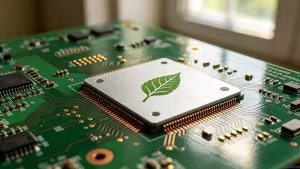
Every day, we get questions from clients about halogen-free PCBs—what they are, why they’re necessary, and if they’re worth the switch. Put
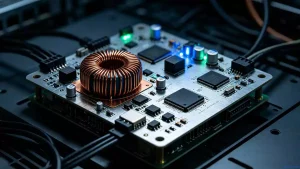
When designing PCBs for high-power or heat-sensitive electronics, we often get asked about metallic substrates—what they are, how they differ from standard
sales@opcba.com