
PCB Design
Most board failures I’ve traced over the years didn’t come from faulty components. They came from subtle layout decisions made in the […]
Most board failures I’ve traced over the years didn’t come from faulty components. They came from subtle layout decisions made in the […]
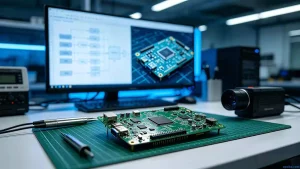
A PCBA solution isn’t just a stack of Gerber files and a BOM. It’s the design, the sourcing, the assembly, and the debugging that
These Terms & Conditions govern your use of the OPCBA eCommerce platform and all password-protected areas of our website. Please read them carefully before
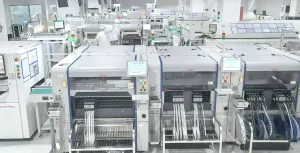
Electronic Manufacturing is a critical partner for tech companies looking to streamline product development and manufacturing. Opcba’s ODM/EMS service delivers end-to-end support,
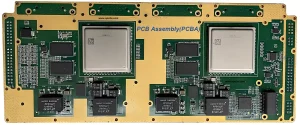
PCBA refers to the process of transforming a bare PCB into a functional finished product through SMT mounting, DIP insertion, and rigorous
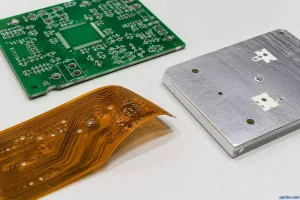
PCB(Printed Circuit Board) is the basic motherboard of almost all electronic products, serving as the core carrier for connecting and integrating electronic
Working with wearables and foldable electronics quickly teaches you one lesson: the rigid PCB has hard limits. That’s where flexible printed circuits come in.
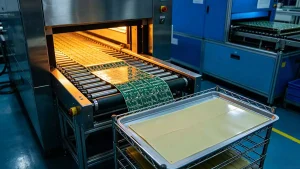
Getting a connector or wire to stay put on a flexible circuit is not the same game as soldering on rigid FR4.
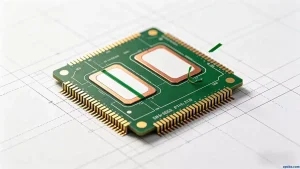
Ask any PCB fabricator which process generates the most customer complaints, and the answer usually points straight to solder mask. It’s the
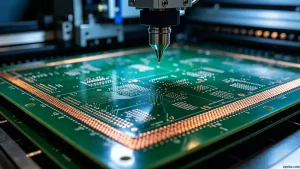
Not all FR-4 is created equal. That’s a lesson you absorb quickly once you’ve ordered the cheapest sheet available and watched the
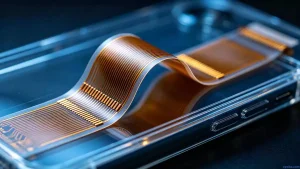
The first time I opened a flip phone, I was struck by how many gold-colored ribbons were folded inside. Today, FPC applications reach almost
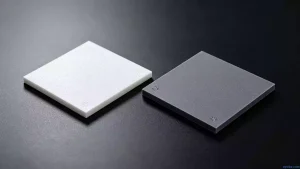
At some point, every power electronics designer hits the thermal wall of organic laminates. You can add copper pours and thermal vias,
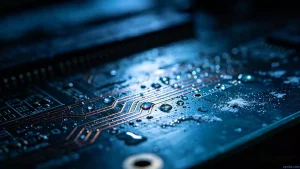
When a board passes ICT and functional test at the factory but glitches six months later in a humid climate, my first
A fully assembled board can look flawless under a microscope and still fail in the field because of a hidden open trace.
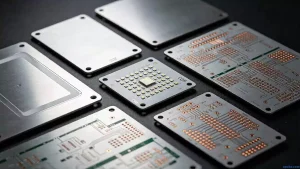
Anyone working on high-temperature electronic hardware is familiar with metal-based PCB, also widely known as MCPCB or metal core PCB. These boards
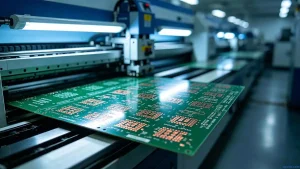
PCB manufacturing follows a clear, practical workflow from design validation to finished board production. Even minor process errors can cause circuit defects
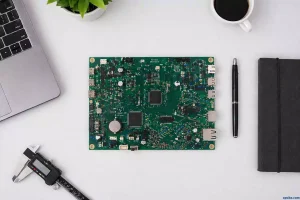
Drawing on over 12 years of collaboration with hundreds of hardware engineering teams, we’ve watched more than one product launch derailed by
sales@opcba.com